Panhellenic Heroon of the National Regeneration of the Fighters of 1821
Sector:
Culture
Implementation Body:
AEGEAS Non-Profit Civil Company
Year:
2021
Location:
Kalavryta, Achaia, Greece
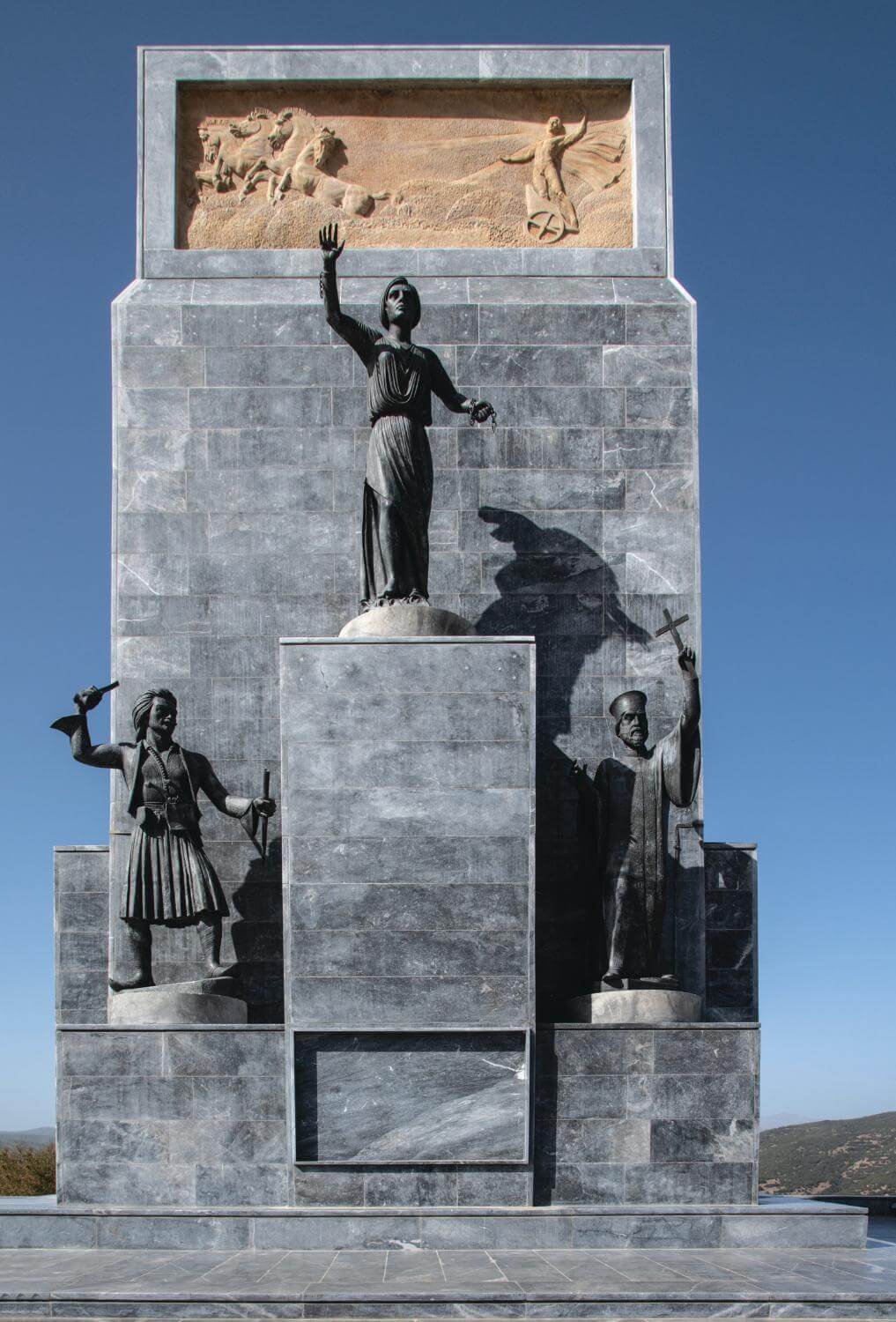
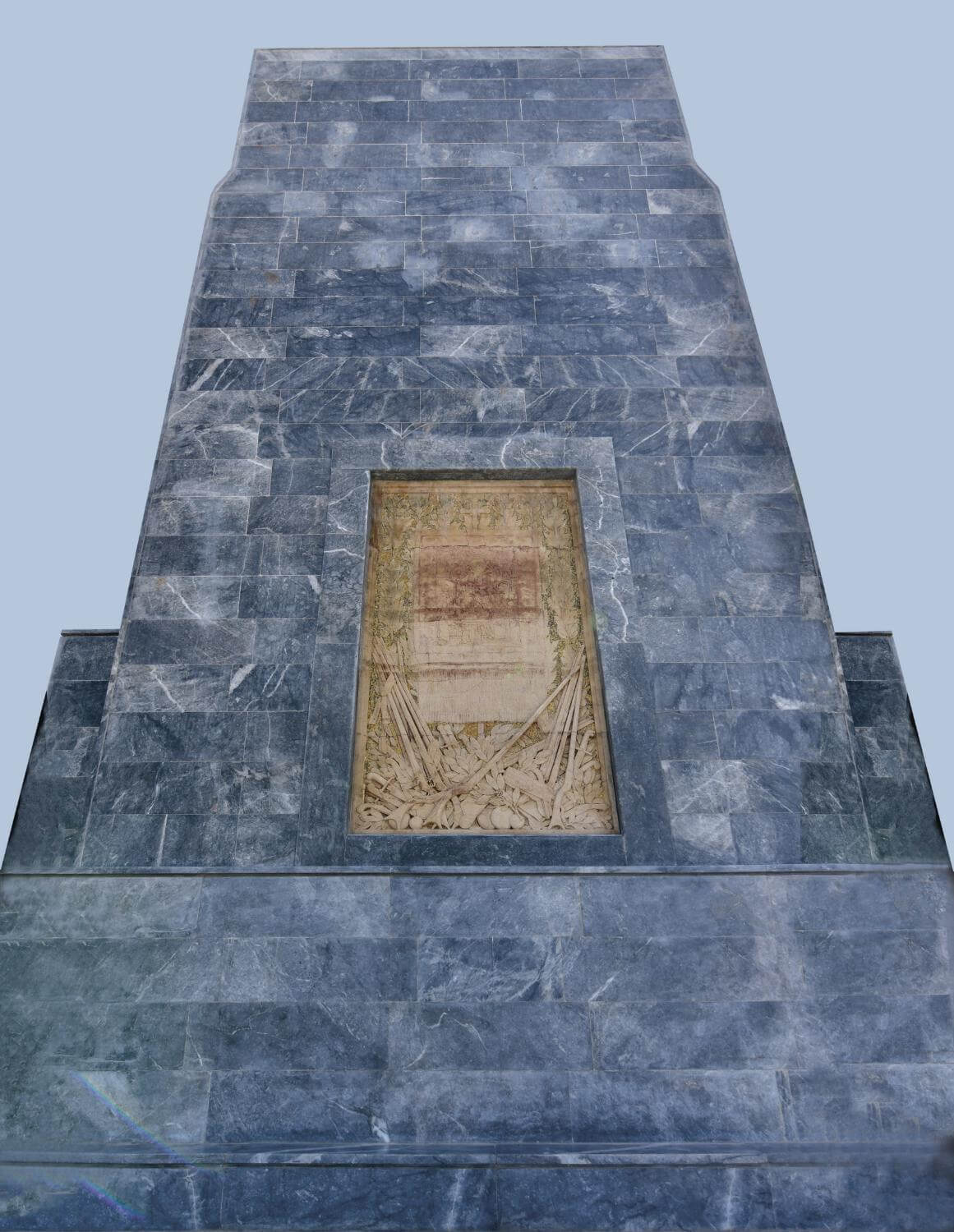
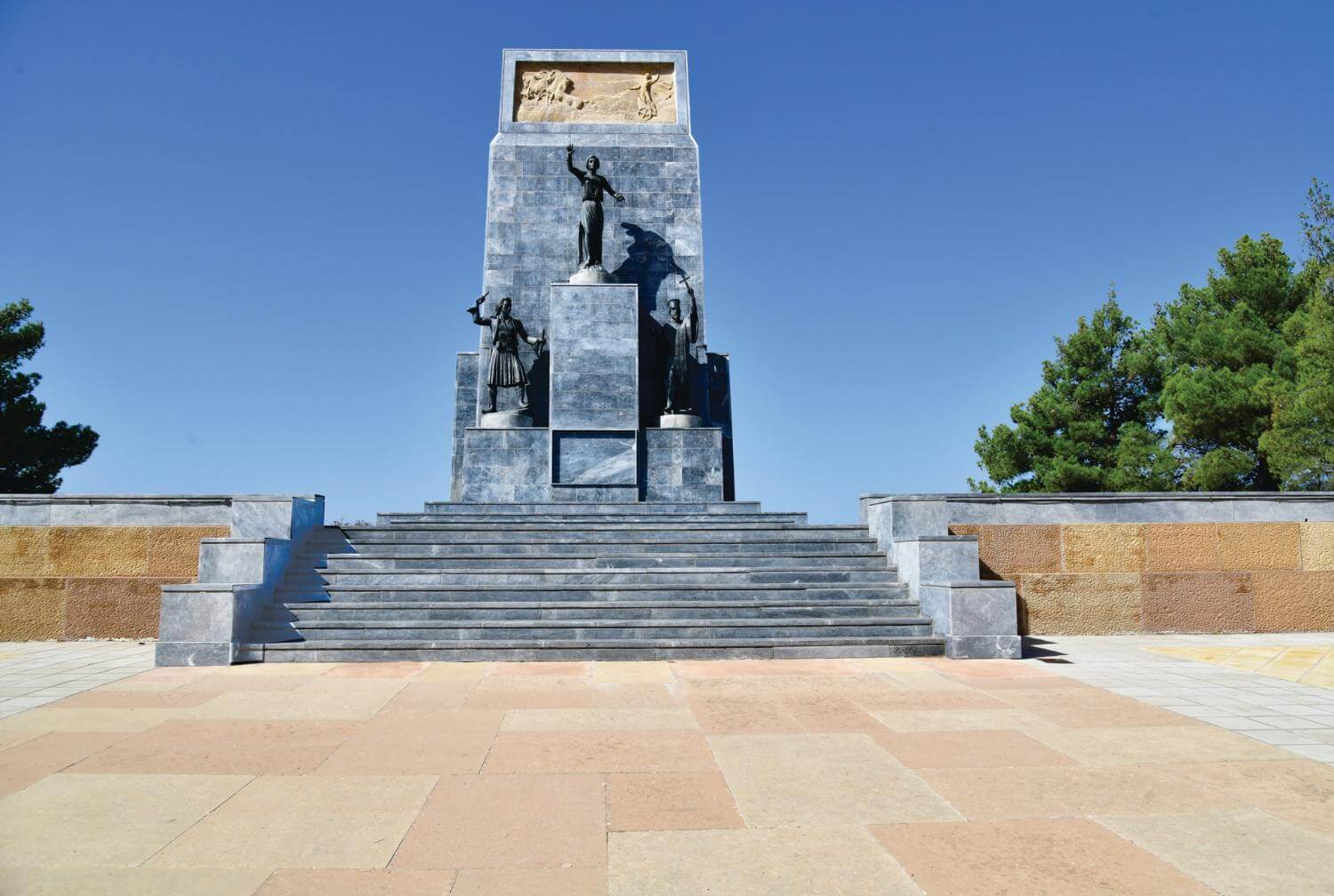
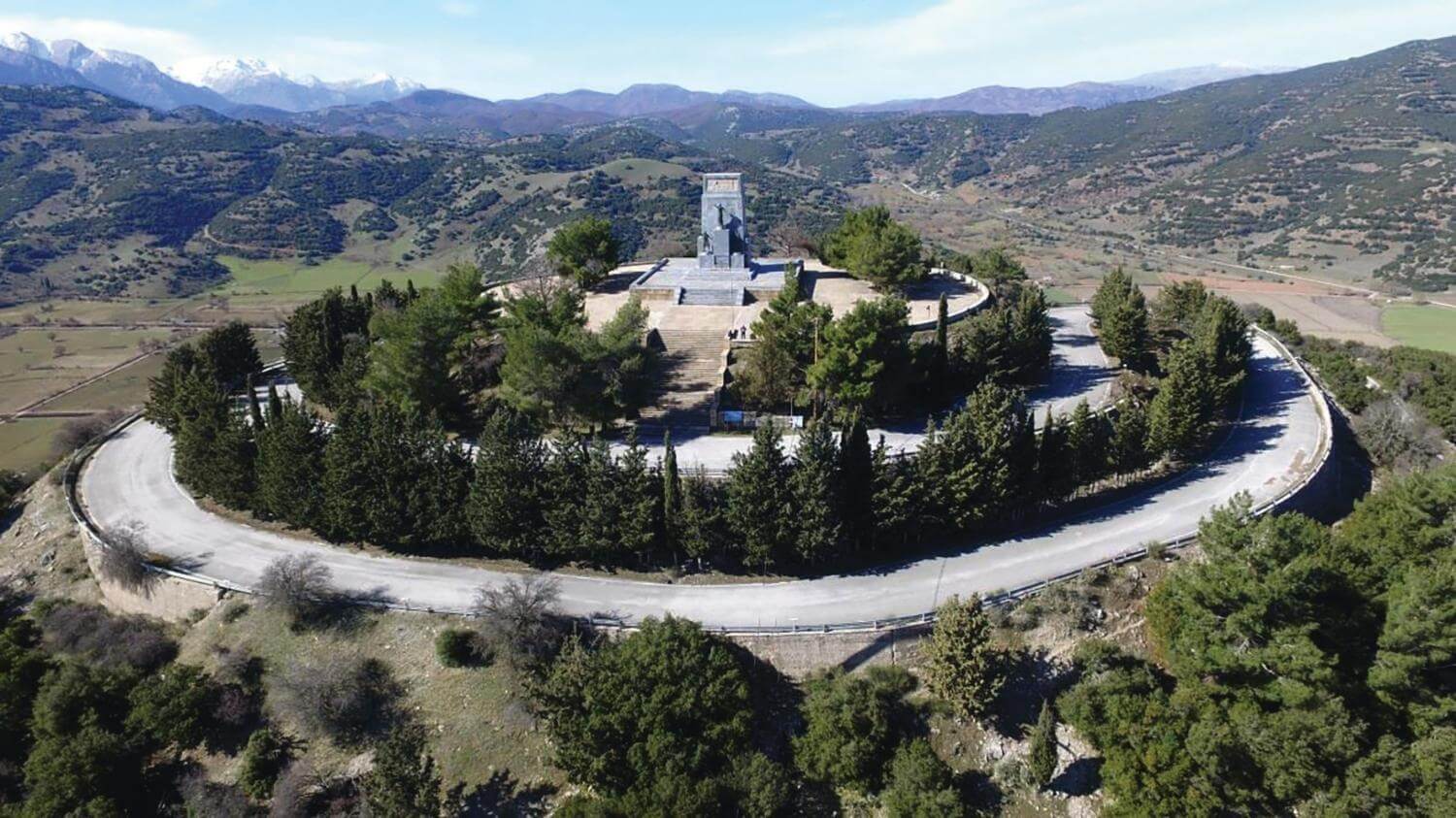
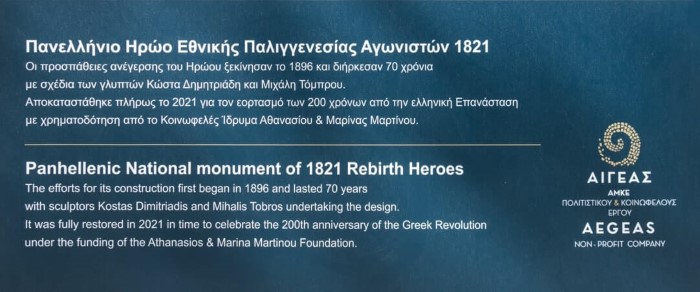
On the hill north of the Monastery of Agia Lavra rises one of the most eminent monuments of the Nation, the Panhellenic Heroon of the National Regeneration of the Fighters of 1821. Its creation dates back to the early 20th century, when, at the initiative of the Kalavryta Association, a fundraising committee was established for its construction. In 1911, the sculptor K. Th. Dimitriadis was invited from Paris to select the site for the monument, and together with his collaborator An. Metaxas, they submitted their first proposals in January 1912. In March 1927, once the sum of 100,000 drachmas had been raised, it was decided to invite Dimitriadis again to begin preliminary work. The official commission was assigned to him in October 1928, and the maquette, at a scale of one quarter, was delivered in April 1930. The foundation stone of the Heroon was laid on 24 July 1932.
In 1938, the study and execution of the remaining architectural works, including the station, the propylon, and the main access stairway, were entrusted to K. Doxiadis. However, the outbreak of the Second World War and the death of the artist during the Occupation left the monument incomplete. The committee was reconstituted in 1966, and on 25 March 1971, during the celebration of the 150th anniversary of the Greek Revolution and the millennium of Agia Lavra, the monument was officially unveiled.
In its present form, the monument consists of a sculptural composition of three statues representing the participation of the clergy and the fighters in the Revolution of 1821. It stands prominently on the hill outside the heroic town of Kalavryta as a memorial of the National Uprising. A few months before the bicentenary of the Greek Revolution, AEGEAS AMKE undertook the restoration and conservation of the monument, as well as the enhancement of its surrounding area.
AEGEAS Non-Profit Civil Company
- Restoration of the monument, its conservation, and the enhancement of its surrounding area.