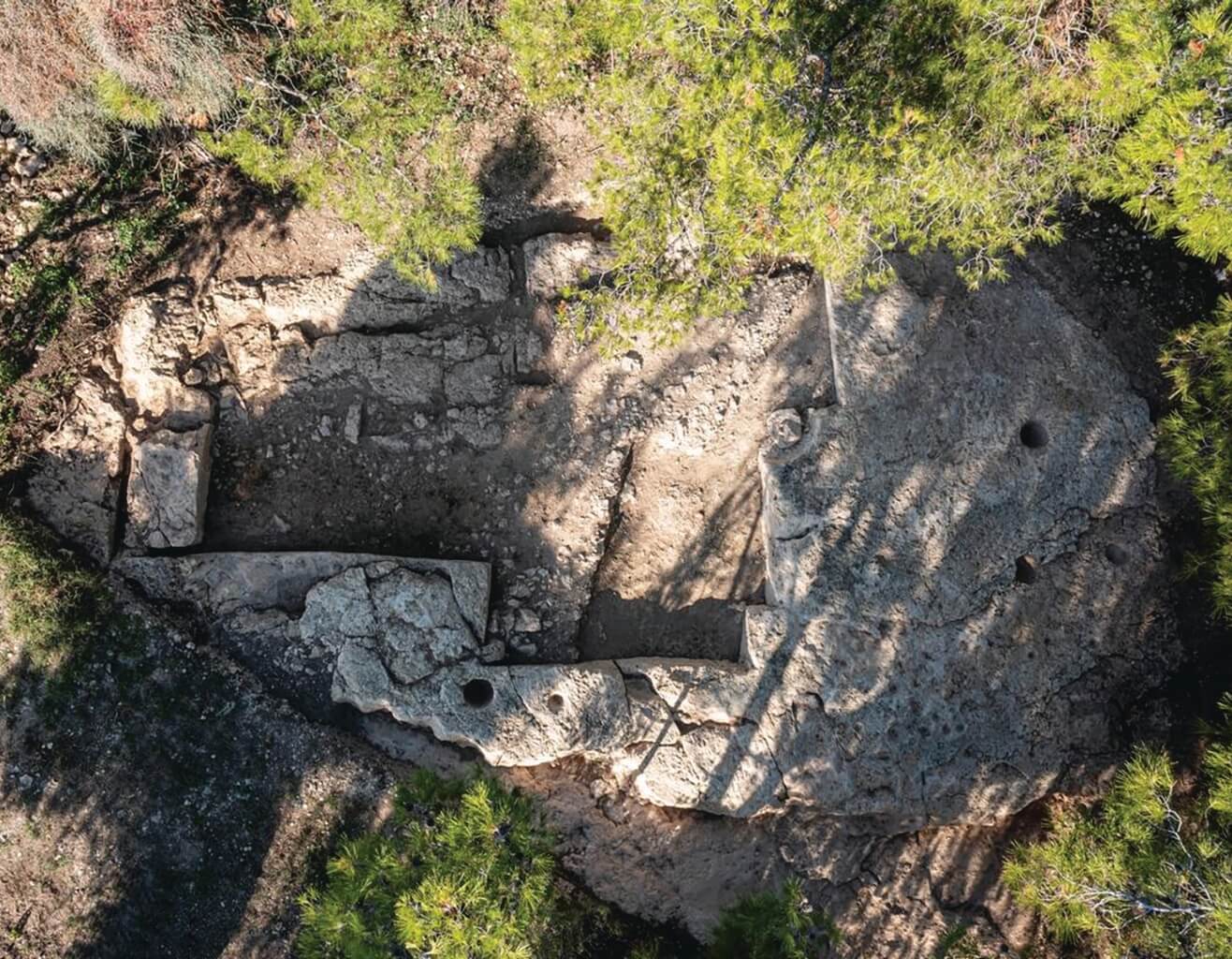
Cluster of graves in the Proto-Hellenic cemetery.
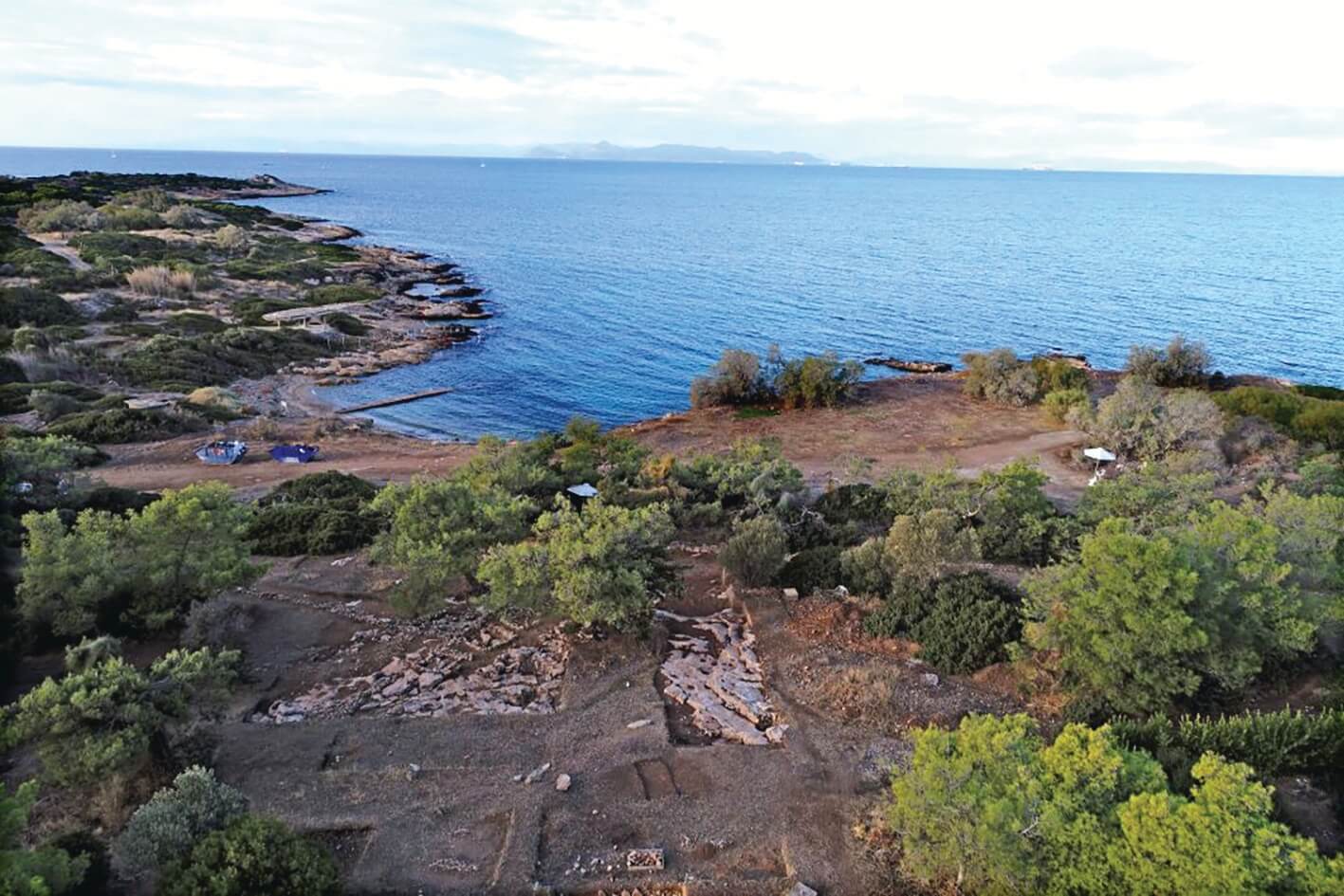
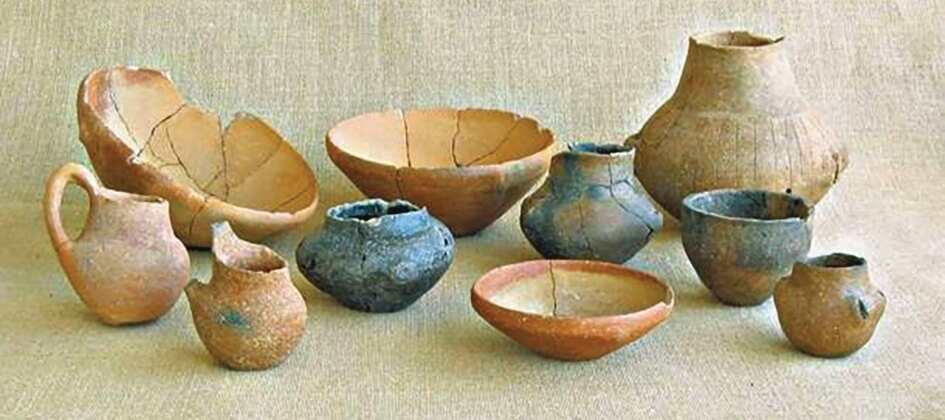
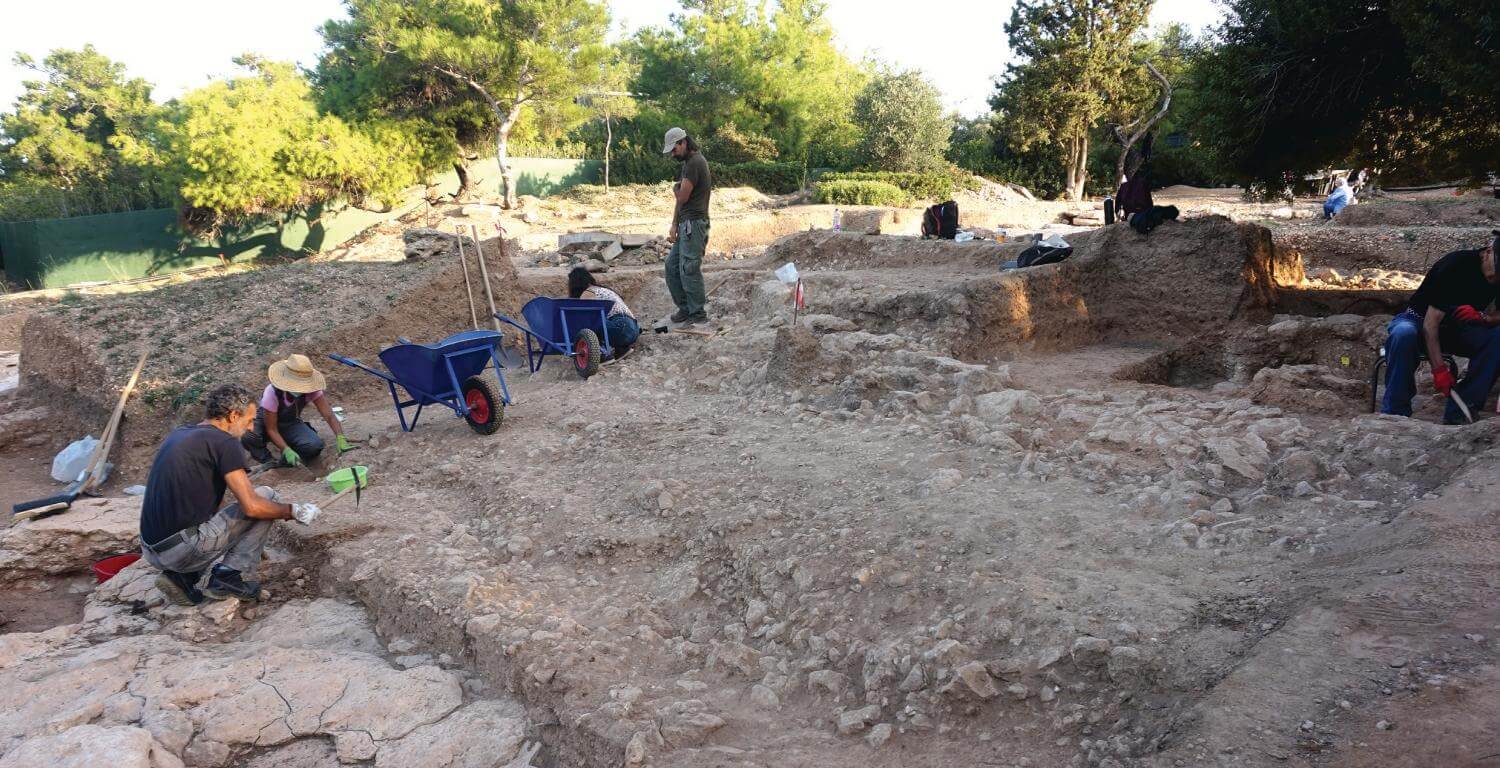
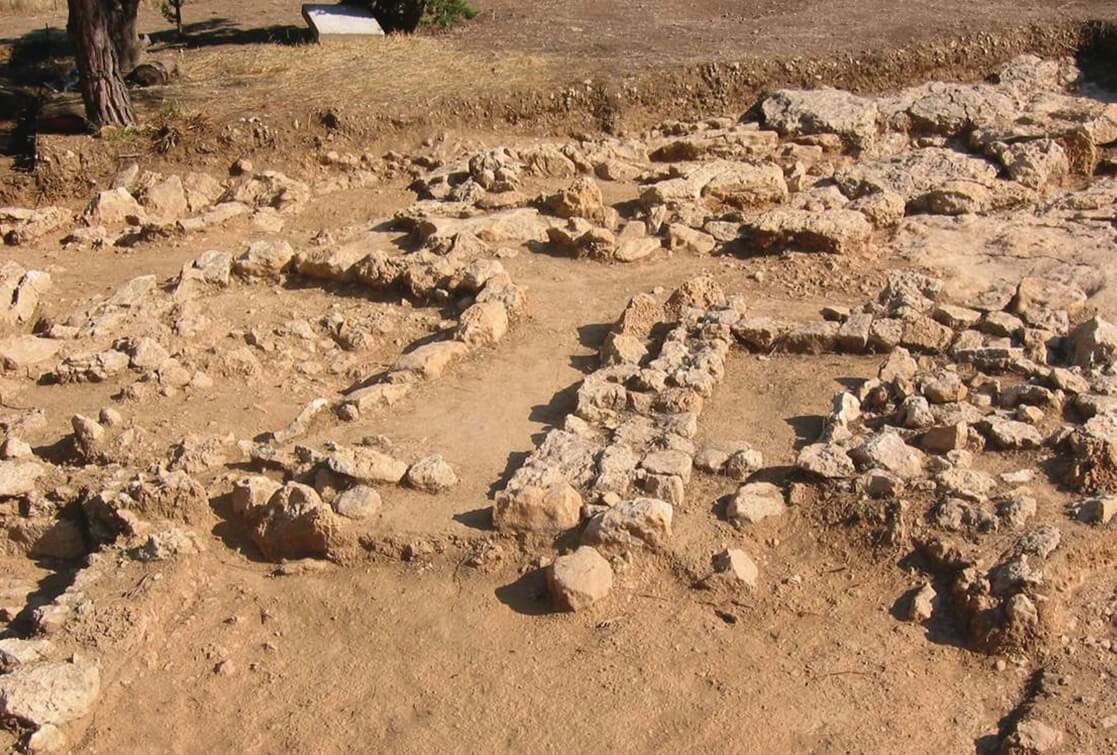
The locality ‘Asteria’ of Glyfada is on the Pounta promontory, between the Agios Kosmas and the Kavouri-Vouliagmeni peninsulas. Excavations in the area were begum 25 years ago and have brought to light abundant antiquities at two sites, which are dated from prehistoric times into the Early Byzantine period. Revealed at one site was a workshop area of hundreds of square metres, for metallurgical activities in the early third millennium BC. Sometime later, in the same area, a cemetery developed, with underground family graves inside a large enclosure. Directly related to the cemetery is a deposit of ritual offerings, with a host of vases smashed on the spot, Cycladic figurines, beads, obsidians, and so on.
All the findings demonstrate the intense activity of the inhabitants in the processing, production, and distribution of goods, as well as their communication with the coastal settlements of the Aegean as early as the 3rd millennium BC. The area of the second archaeological site at Asteria was also used as a workshop, where both household craft and metallurgical activities are believed to have taken place during the Early Helladic and Middle Helladic periods. At the beginning of the 2nd millennium BC, the usable area was restricted by a large Π-shaped enclosure wall, which in the early Christian centuries was disturbed by the establishment of a cemetery. To date, 42 graves have been investigated, yielding numerous finds that had been placed as grave goods accompanying the deceased.
Image source: Kostas Xenikakis, Giannis Asvestas