7th International Conference of the Mediterranean Maritime History Network (MMHN)
10 June 2026
·
Announcements
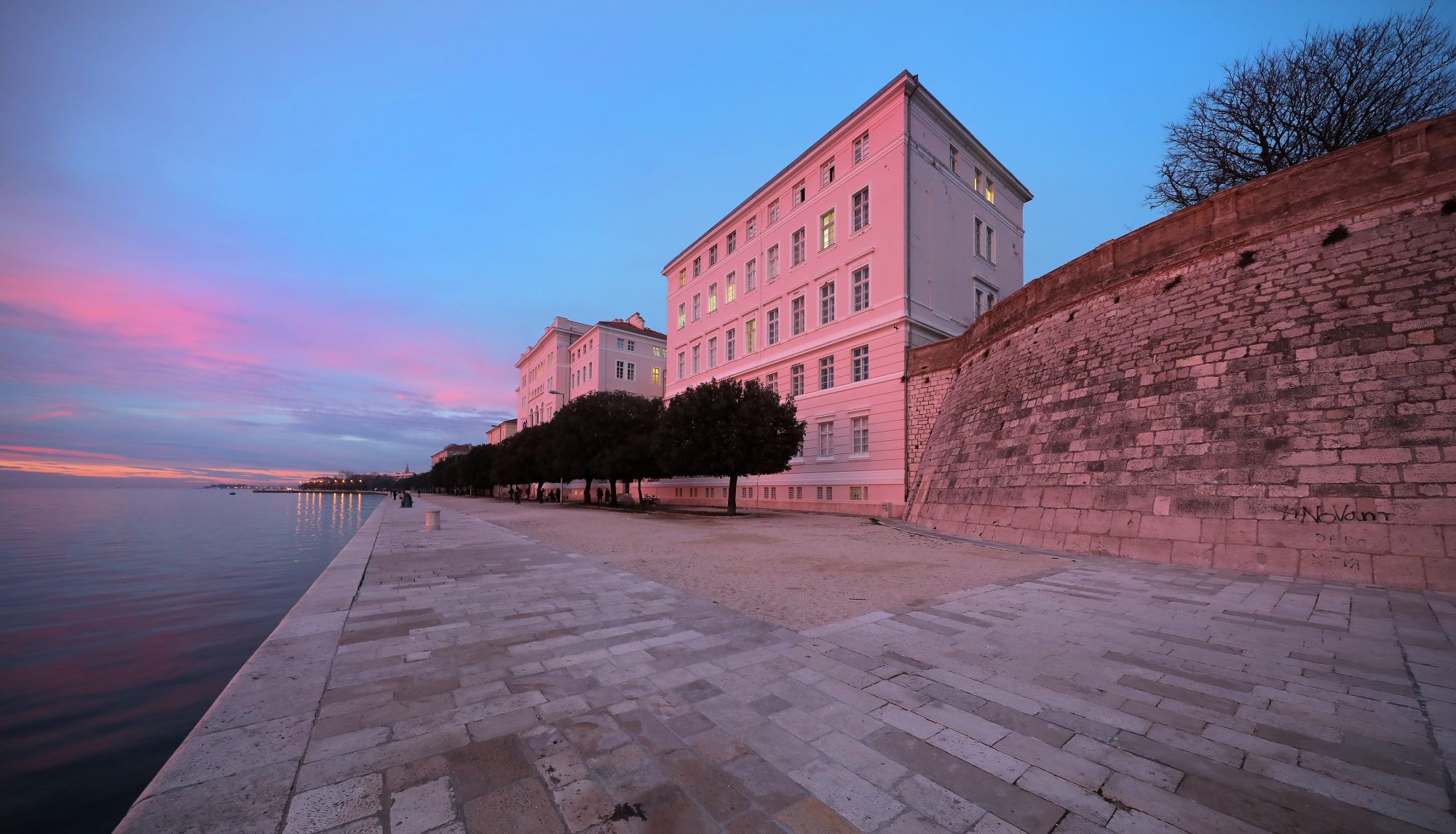
The 7th International Conference of the Mediterranean Maritime History Network (MMHN) was held from 25 to 29 May 2026 in Zadar, Croatia, and was hosted by the Department of History of the University of Zadar. Convened every four years, the conference is regarded as one of the leading international forums for the study of Mediterranean maritime history, bringing together scholars from universities and research institutions around the world.
The Mediterranean Maritime History Network aims to foster collaboration among researchers in the field, encouraging the exchange of new research findings, bibliographical resources, and methodological approaches. Previous editions of the conference were hosted in Valletta, Messina, İzmir, Barcelona, Constanța, and Rethymno.
The theme of the 2026 conference was based on an expanded and holistic approach to maritime history, inspired by the work of historian Frank Broeze. According to this methodology, the relationship between humans and the sea is explored through five interconnected dimensions:
- On the Sea: seafarers, ships, navigation, maritime trade, warfare, and piracy.
- Around the Sea: port cities, islands, shipping and fishing activities, tourism, and coastal communities.
- In the Sea: fisheries, marine resources, and environmental dimensions.
- Because of the Sea: transport networks, commercial and imperial systems, institutions, and maritime policies.
- About the Sea: cultural heritage, myths, literature, poetry, and artistic representations inspired by the maritime world.
Representing AIGEAS AMKE, researcher Maria Pontikou presented a paper entitled “Legislation on the Plundering and Seizure of Property from Shipwrecks and Anchored Vessels (8th–12th Centuries).” The presentation examined Byzantine legislation concerning the looting and unlawful appropriation of property originating from shipwrecks or from vessels lying at anchor during the period between the eighth and twelfth centuries.
Drawing on relevant provisions of Roman Law, as preserved in the Digest and subsequently incorporated into the Basilika, the paper explored issues relating to the protection of property, the legal consequences of maritime accidents, and the penalties imposed for the unlawful removal of goods from shipwrecks. It also examined the legislative measures introduced by the Macedonian emperors and their successors to combat the phenomenon. Reference was further made to contemporary narrative sources, including the writings of Niketas Choniates, which testify that the plundering of shipwrecks and the seizure of wrecked property were indeed common practices in the coastal regions of the Byzantine Empire, a fact that helps explain the sustained imperial efforts to suppress such unlawful activities.
The research highlighted the efforts of the Byzantine administration to safeguard navigation, maritime trade, and the rights of shipwreck survivors through a sophisticated legal framework designed to ensure greater security and protection at sea.
Maria Pontikou’s participation in the 7th International Conference of the Mediterranean Maritime History Network forms part of AIGEAS AMKE’s ongoing support for historical research and the scholarly study of the maritime heritage of Hellenism. By bringing to light important aspects of Byzantine maritime legislation, her contribution enhanced our understanding of the ways in which past societies addressed issues of law, safety, and the protection of human life at sea, shedding light on a significant dimension of the maritime history of both the Greek and the wider Mediterranean world.
Detailed Conference Programme: