The Historic Core of the Former Royal Estate of Tatoi.
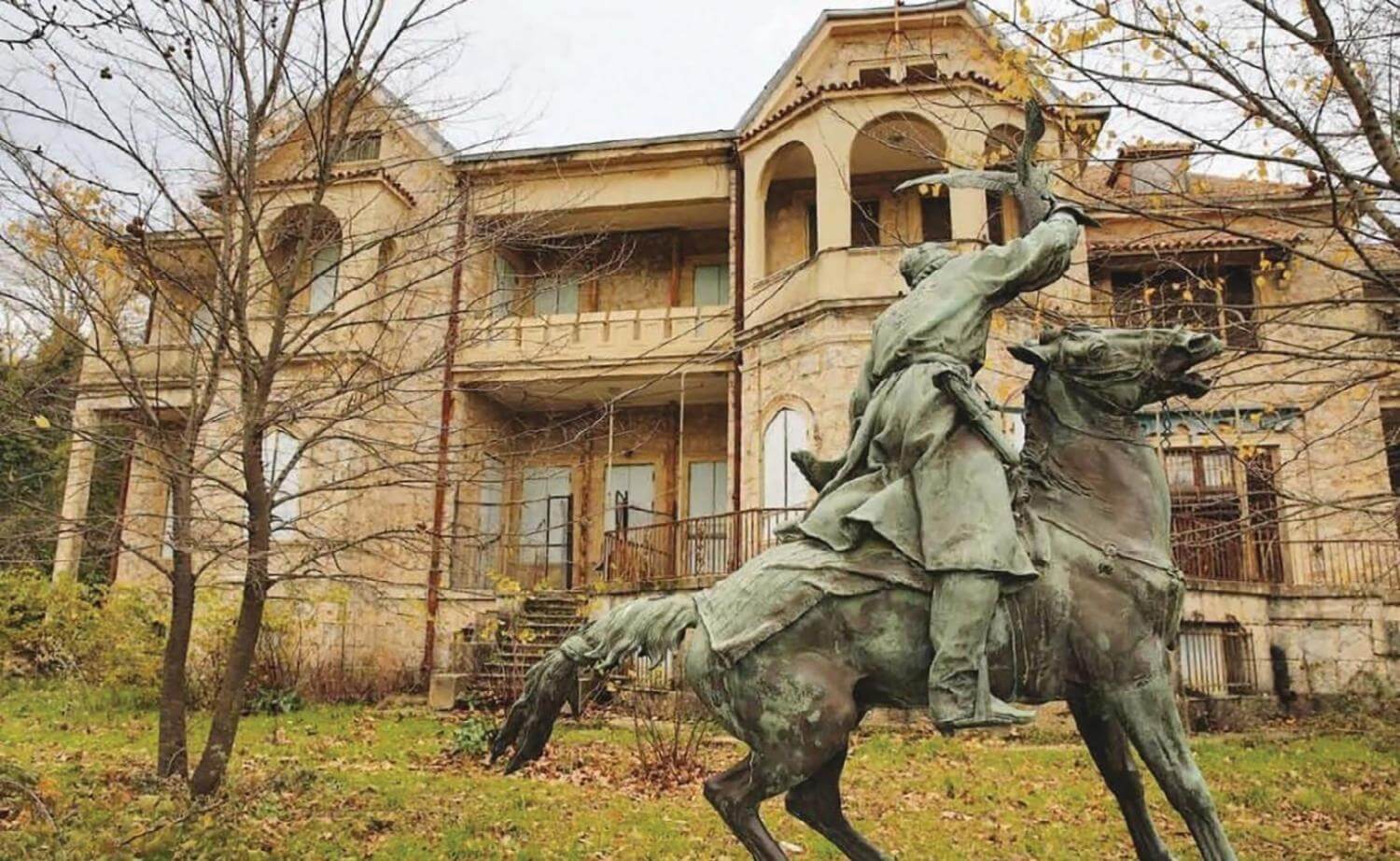
In 1872, King George I of Greece, following the recommendation of the architect Ernst Ziller, purchased 16,000 stremmata of land at Tatoi in order to build his summer residence there. In the following years, the areas of Bafi and the Driza plateau were added, and by the 1890s the royal estate had reached its greatest extent: 47,427 stremmata.
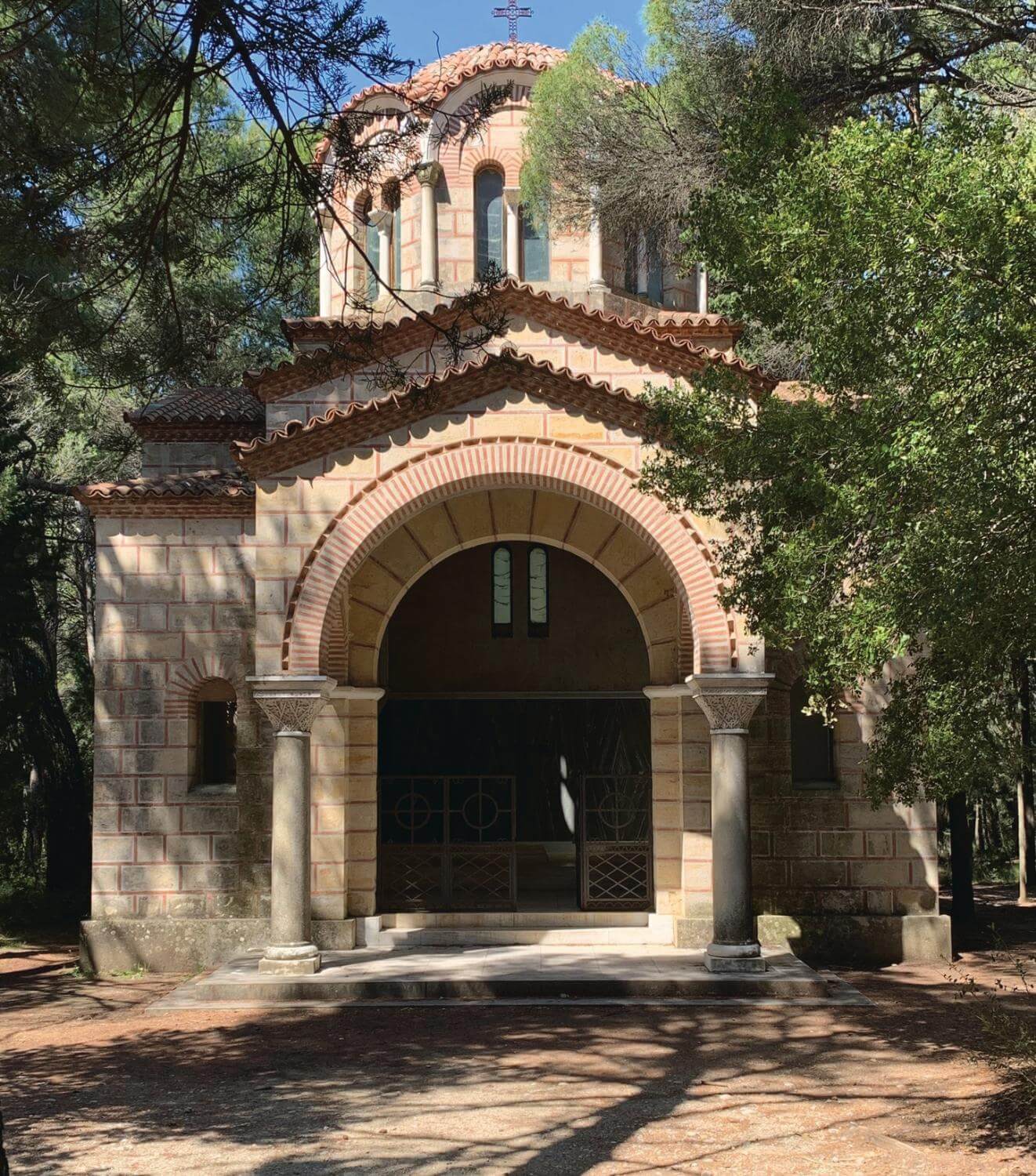
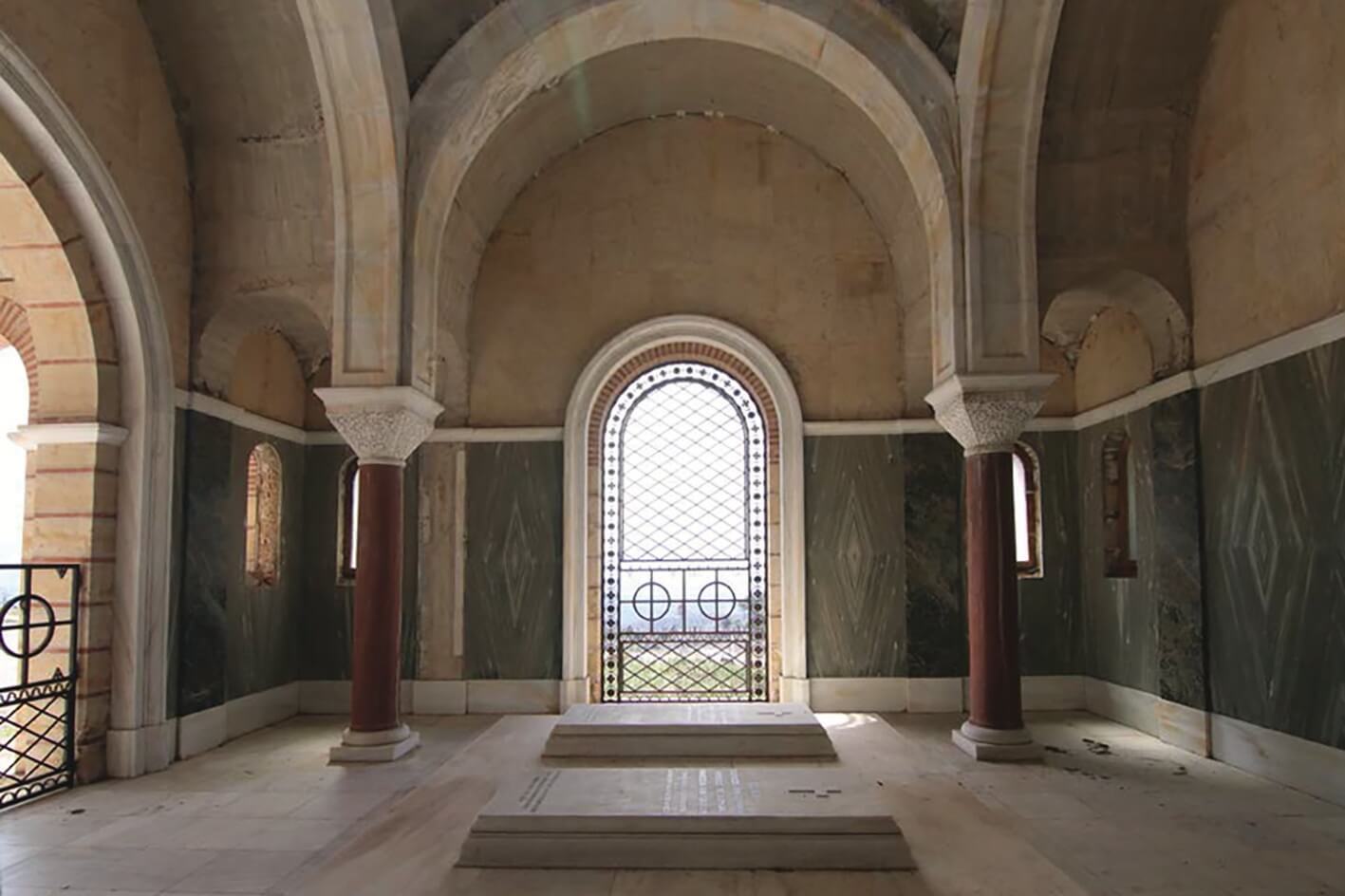
George I gave priority to the planting of the forest and to the organization of the estate’s economy, which was based on agricultural production. At the same time, he initiated an extensive building program that included the construction of numerous structures necessary for the smooth functioning of a royal estate. By the time of the Second World War, workers’ houses, a winery, a dairy, a cowshed, stables, kitchens, a guard post, an administrative building, a guardhouse, the school for the royal children, a guesthouse, a church, the mausoleum and cemetery of the royal family, as well as the well-known “Tatoion” Hotel, had been built.
The fate of the estate, however, became closely intertwined with the political and social developments of twentieth-century Greece. Tatoi experienced periods of prosperity, exile, restoration, abandonment, looting, and legal disputes until 7 March 2003, when it was taken over by the Greek State as its new owner.
During the past decade, the Ministry of Culture has set as a primary objective the documentation and conservation of the objects preserved in the estate’s various buildings, as well as the protection, restoration, and enhancement of its architectural structures and natural environment. The historic core of the estate is expected to become an important destination for recreation and well-being in Attica, while its museum facilities will narrate an integral part of the modern history of Greece.
Recognizing the great historical, cultural, environmental, and architectural significance of Tatoi, AIGEAS AMKE promptly embraced the vision of the Ministry of Culture for the restoration of its historic core.
Its donations have supported the overall program in multiple ways and may be summarized in three main areas: studies, infrastructure and equipment projects, and restoration works.
STUDIES: AIGEAS AMKE funded three studies, the preparation of which was an essential prerequisite for securing the resources required for the implementation of the relevant projects.
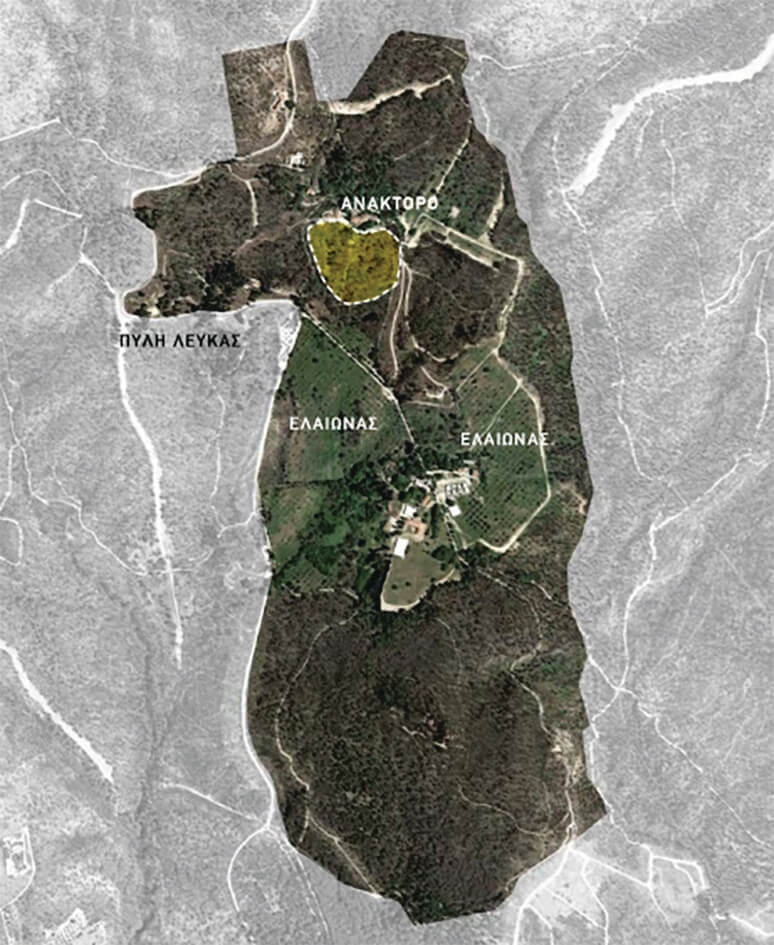
The Landscape and Natural Environment Restoration Study concerns a set of interventions across an area of 1,506 stremmata, designed in accordance with best environmental practices and with full respect for the natural environment, taking into account the ecological processes that occur after a wildfire.
Based on the forest species that originally formed the woodland and by enriching the plant palette with both deciduous and evergreen drought-resistant species, the study aims to restore the landscape and strengthen biodiversity, fostering resilient ecosystems that will act as a “catalyst” for the recovery of the wider natural environment. A key objective is also the creation of a seed bank and the production of parent plants to enrich and reinforce the species cultivated in forest nurseries.
Landscape restoration, combined with best practices in forest management, aims to safeguard the historic core of the estate and reduce its exposure to wildfires. The proposed restoration techniques may also serve as a model for artificial reforestation programs, strengthening the resilience of Mediterranean forest ecosystems, protecting biodiversity, supporting climate adaptation, and encouraging their sustainable development.
The restoration of the landscape in the historic core aligns with the United Nations Sustainable Development Goals, forming part of broader efforts toward the sustainable management of natural resources and climate change mitigation, including improved soil management and carbon sequestration.
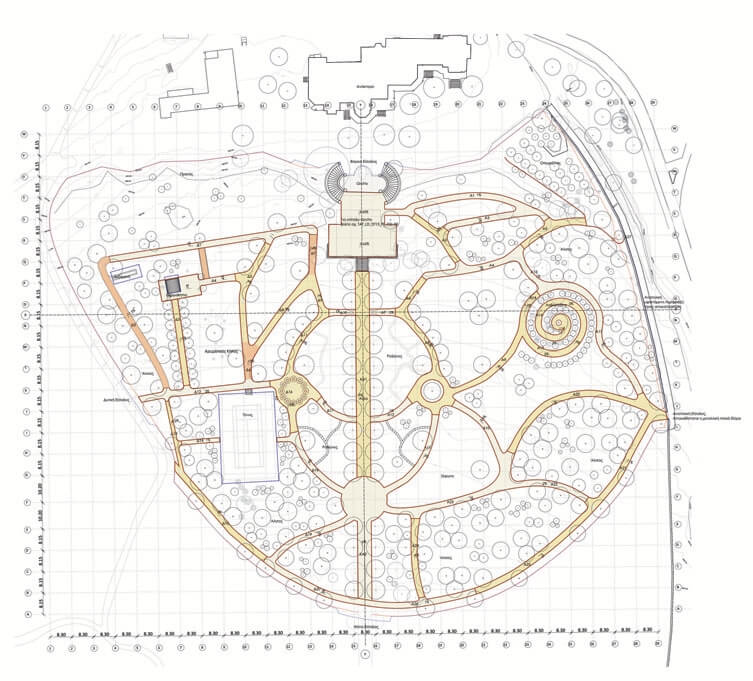
The Garden Restoration Study follows the principles for the conservation and restoration of historic gardens (ICOMOS, Florence Charter 1981), aiming at the reconstruction of the gardens and the creation of outdoor spaces freely accessible to all visitors.
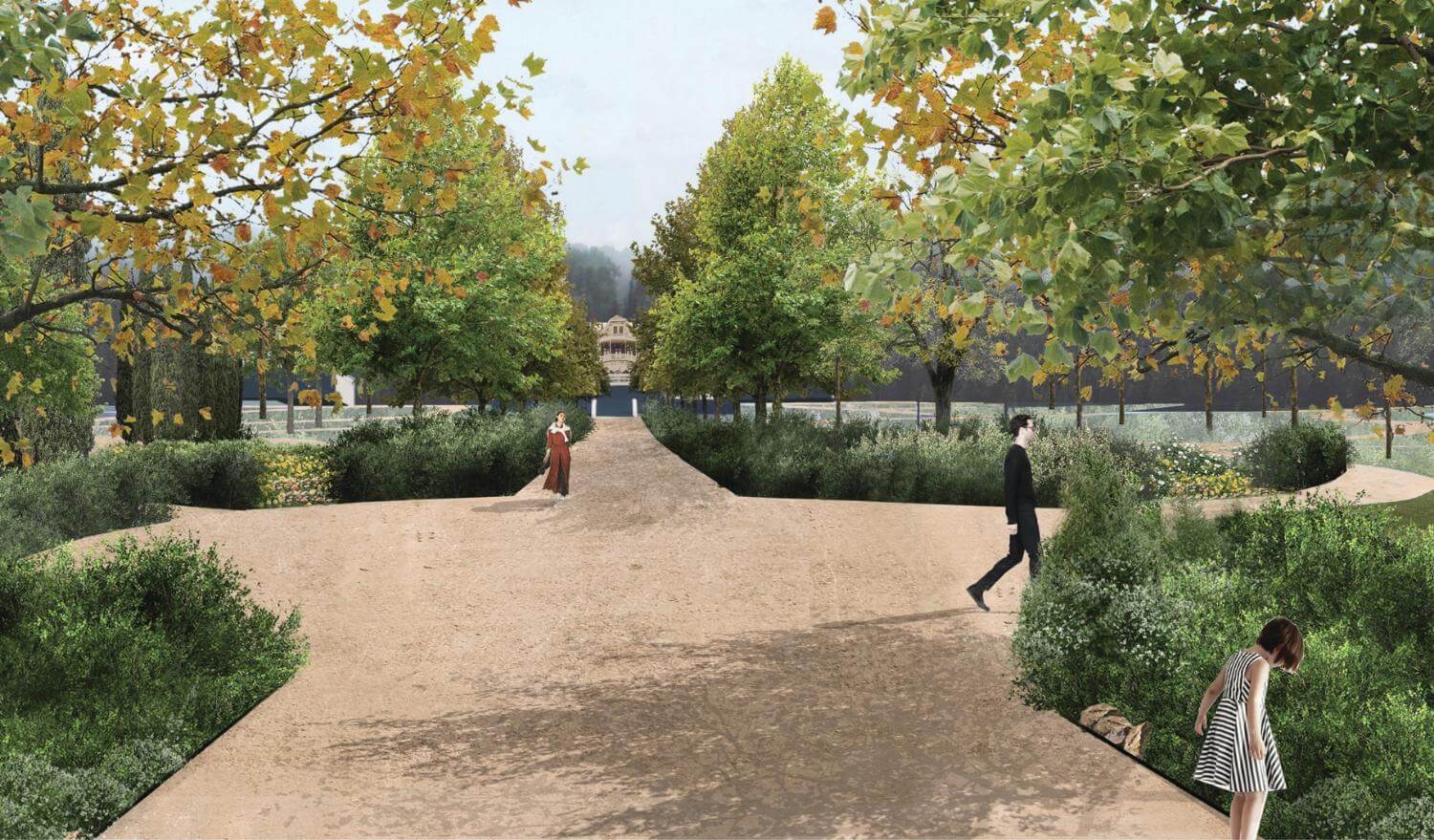
Beginning with the revelation of the site’s natural relief, the sloping perimeter of the gardens is emphasized through the creation of a grove. The transition between forest and historic garden is carefully managed, reinforcing the perception of the garden as an enclosed landscape and enhancing the visitor’s immersive experience during the walk. Visitors follow the historic paths, gradually discovering the individual garden landscapes.
The central avenue will be restored with plane trees, while rose gardens will be created on either side. The cypress groves, the orchard, and the clearing will also be reconstructed. Particular emphasis is placed on the sustainability and resilience of the landscape through the use of evergreen and deciduous species with low water requirements and high resistance to heat and drought. A key criterion in plant selection is also fire resistance and fire retardation.
Trees such as plane trees, cypresses, holm oaks, elms, and chestnuts, which were characteristic elements of the historic landscape, play a central role in the overall composition and management of the plant environment. The project follows an ecological approach, including the creation of permeable surfaces as part of a holistic strategy for climate resilience. The selected plant species will also contribute to the enhancement of biodiversity and the development of resilient ecosystems.
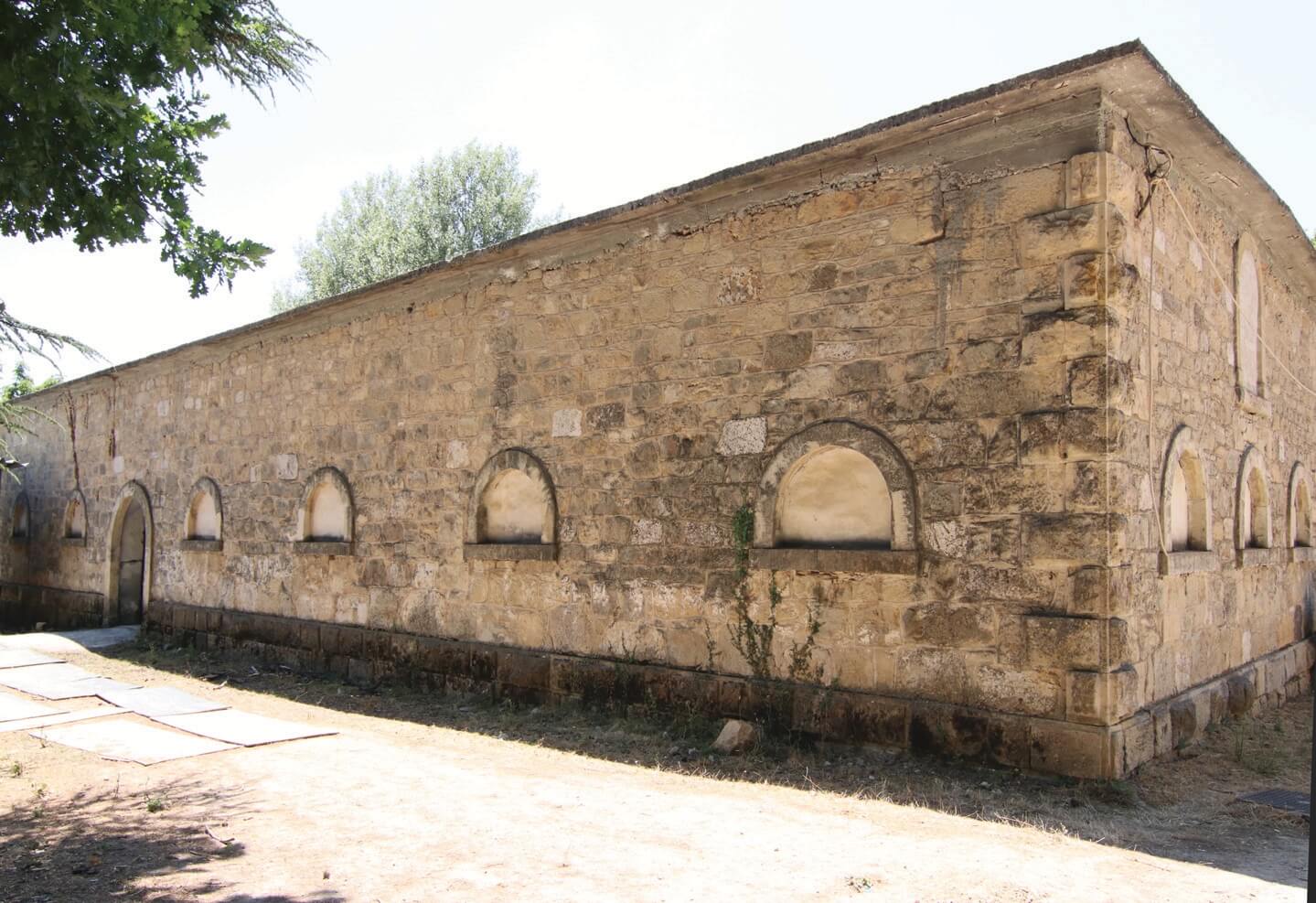
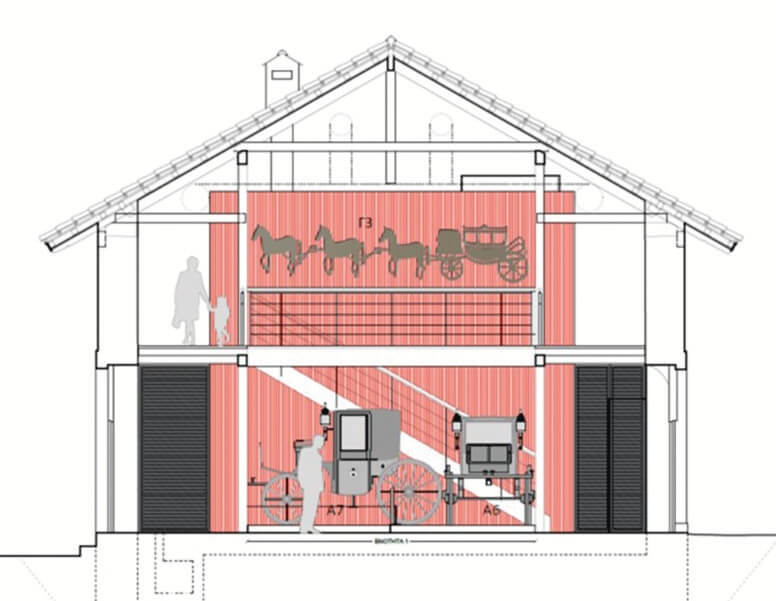
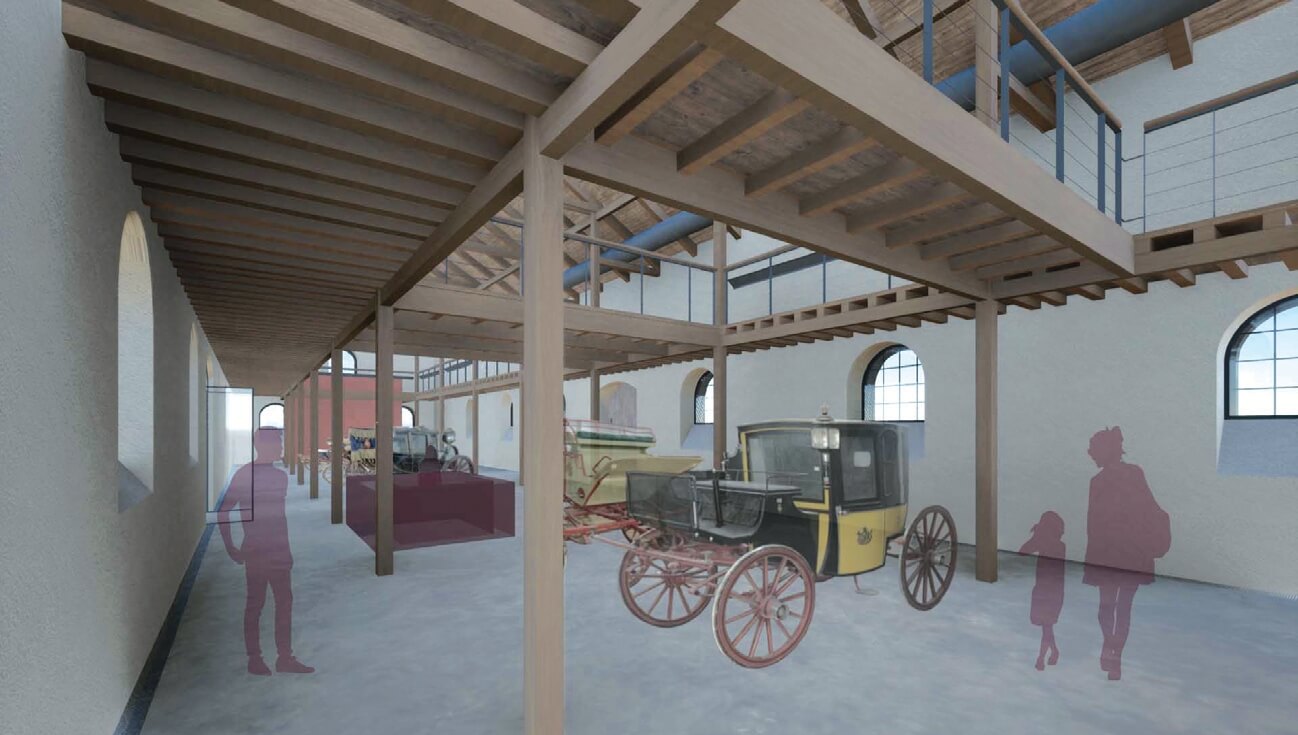
The old cowshed of Tatoi belongs to the first construction program of the royal estate (1875–1879). Despite its agricultural character, it is considered one of the most significant buildings of the estate. The structure follows the model of European agricultural buildings of the period, with space for livestock on the ground floor and storage for their feed on the upper floor.
The restoration studies included the structural stabilization and conservation of the monument, as well as the reconstruction of the original form of its roof, based on historic photographs. They also incorporated the interior interventions required for its new use as a museum for the exhibition of the royal carriages.
The full set of studies was approved in 2021 by the Central Council for Modern Monuments.
INFRASTRUCTURE AND EQUIPMENT PROJECTS: From the outset of the Ministry of Culture’s effort to safeguard and conserve the objects discovered in the buildings of the former royal estate, AIGEAS AMKE proceeded with a series of important donations that facilitated the relevant work carried out by the Ministry’s services.
RESTORATION WORKS: Following the devastating wildfire of 2021, which affected a significant part of the forested area of Tatoi as well as some of its most emblematic buildings, AIGEAS AMKE supported the restoration efforts in multiple ways.