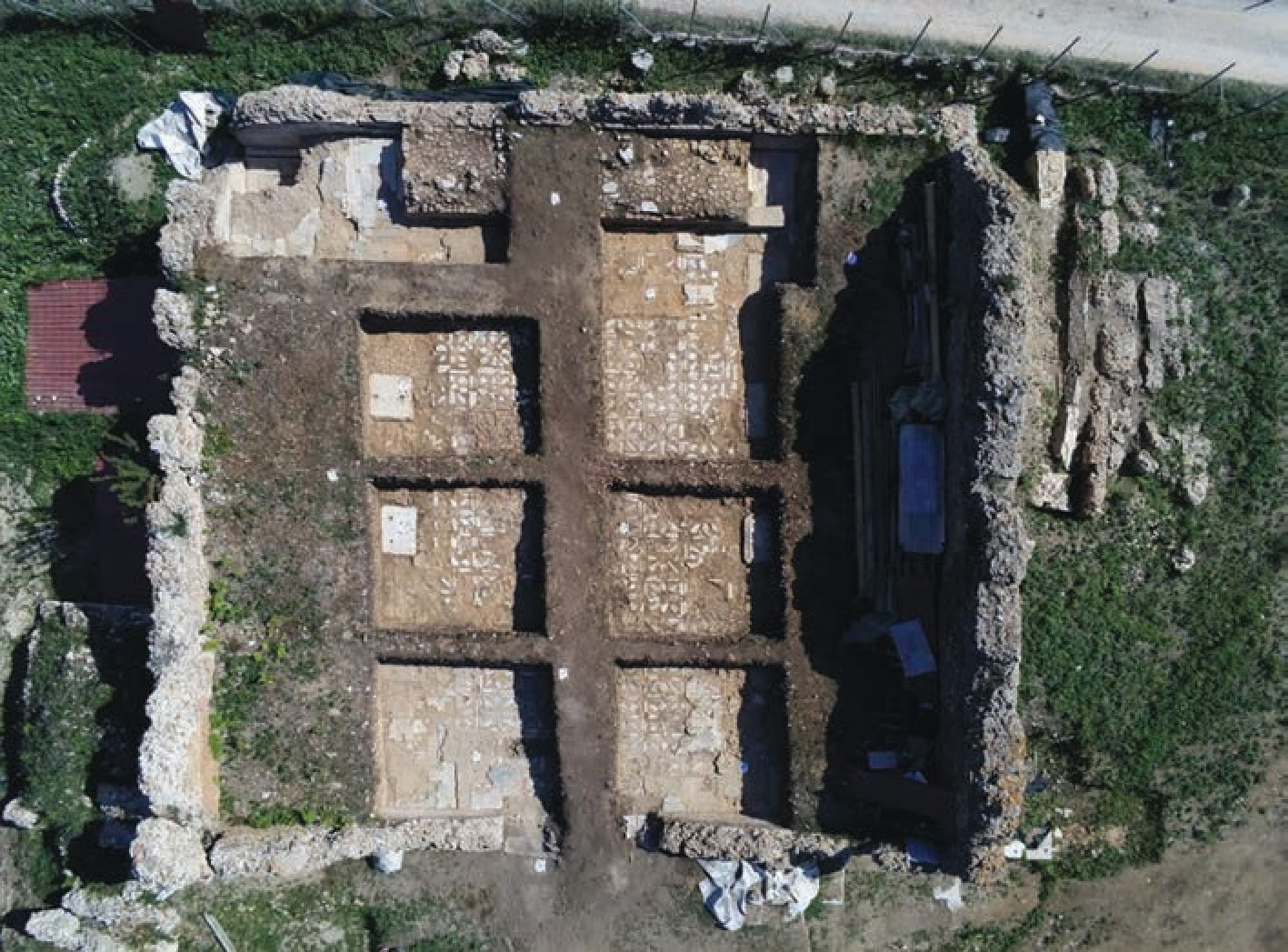
Aerial photograph of Building A (G. Michailidis).
Ancient Nicopolis was one of the most important cities of western Greece during the Roman and Byzantine periods. It was founded near present-day Preveza by Emperor Augustus Octavian as the “city of victory,” to commemorate his triumph at the Battle of Actium in 31 BC. Nicopolis became a symbol of Roman supremacy and experienced great prosperity. According to historical sources, its population reached approximately 300,000 inhabitants around AD 295. During the early centuries of the Byzantine era, the renowned Basilicas of Nicopolis (AD 450–600) were constructed in the city. Despite its prosperity and survival through attacks and plundering, the city was gradually abandoned during the 11th–12th centuries. Today, it is the largest ancient city preserved in Greece in terms of extent.
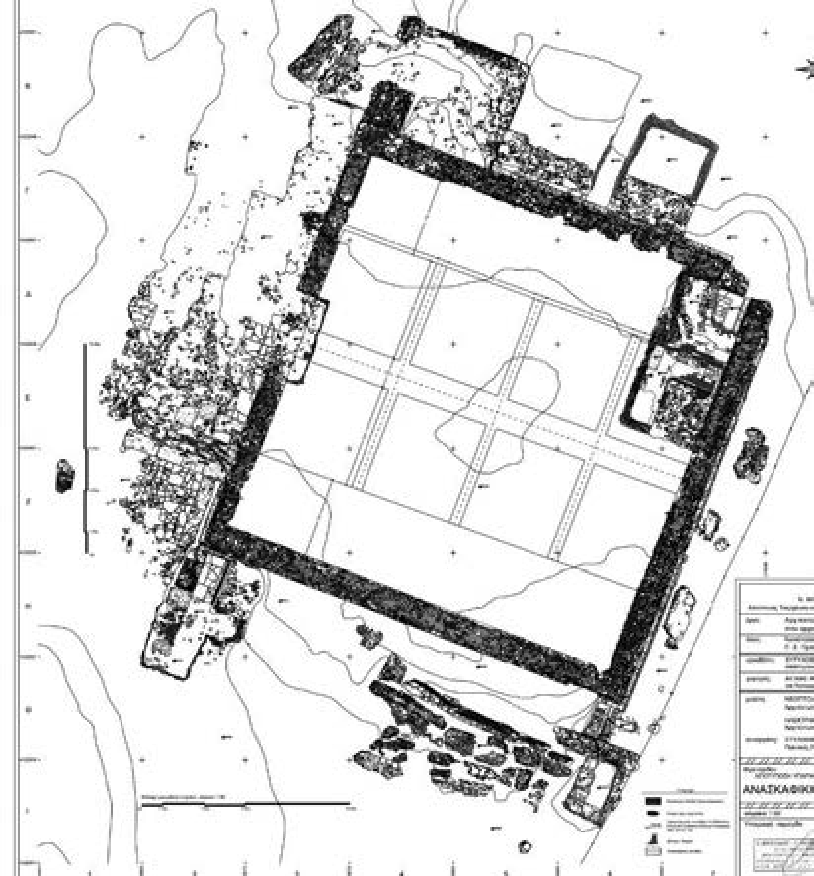
Through EFTHYCHOS AMKE, AEGEAS AMKE has supported since 2023 the five-year research program directed by Dr. Konstantinos Zachos, Honorary Ephor of Antiquities. The program aims to locate the Agora (Forum) of ancient Nicopolis, analyze its urban organization, and study its individual monuments. To date, Buildings A and B1 have been investigated, which formed important public buildings at the core of the Agora.
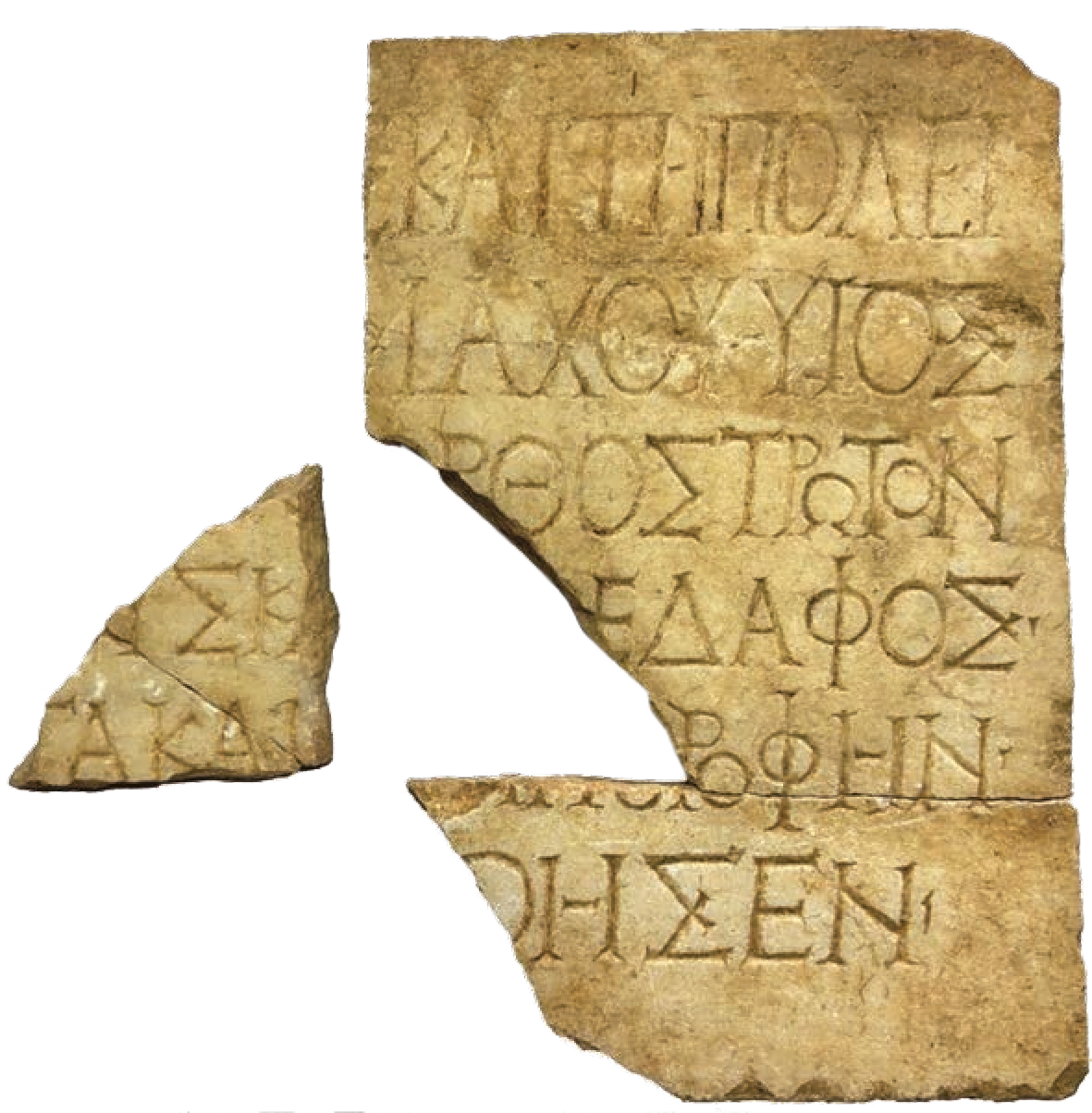
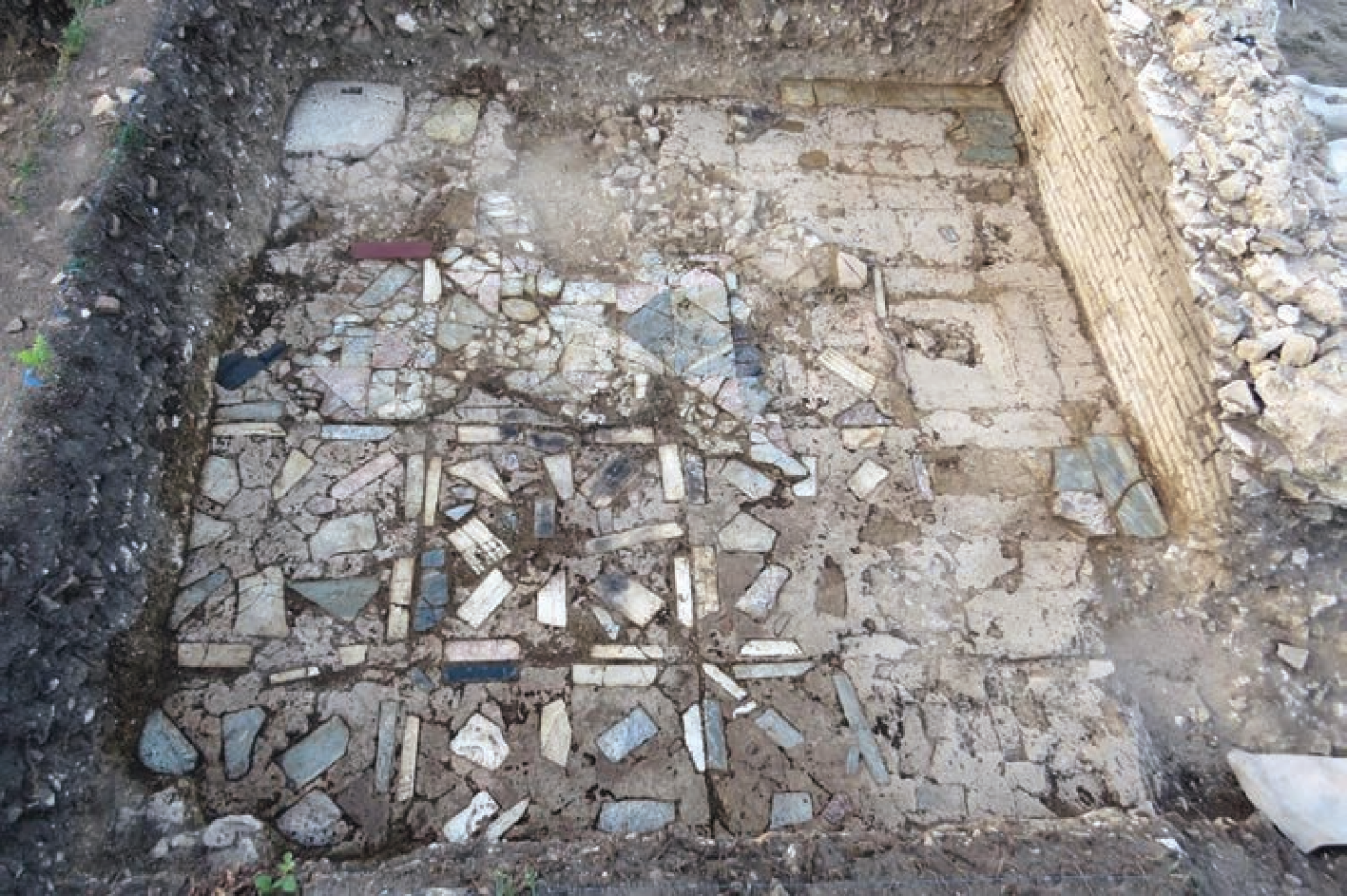
Building A appears to be identifiable as the Sebasteion of Nicopolis, based on the archaeological evidence. This identification is supported by its location, the epigraphic references to the Sebastoi (Imperial) gods, and the overall configuration of the structure, which included a monumental propylon, luxurious polychrome marble revetment, and a high podium for the support of statues.
Image source: Archive of Dr. Konstantinos Zachos.