“Sismanogleio – Amalia Fleming” General Hospital of Attica
Donation Receiver:
“Sismanogleio – Amalia Fleming” General Hospital of Attica
Sector:
Health
Implementation Body:
AEGEAS Non-Profit Civil Company
Year:
2023
Location:
Marousi
“Sismanogleio – Amalia Fleming” General Hospital of Attica, Marousi, Attica
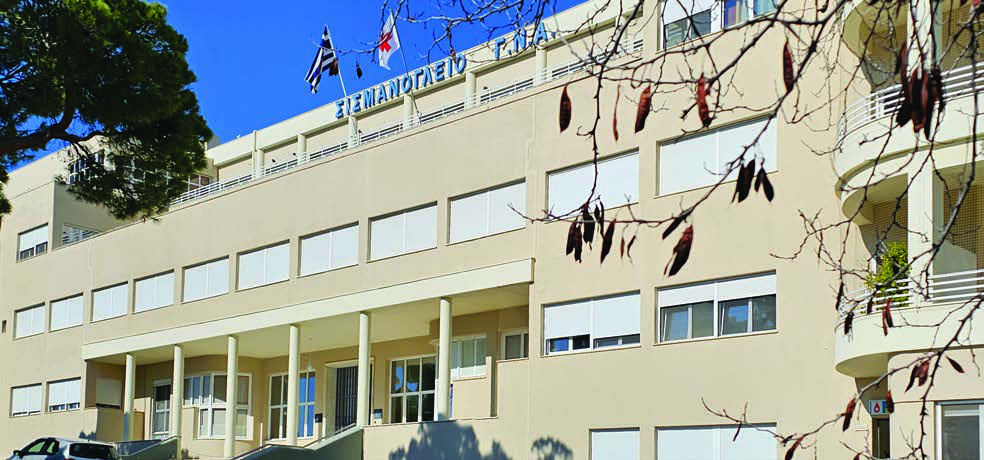
Sismanogleio is one of the oldest hospitals in Greece. Its construction began in 1936 through the donation of the great benefactors Konstantinos and Anastasios Sismanoglou. It initially operated as a “Tuberculosis Institute,” with its primary aim being the treatment of patients suffering from tuberculosis. During the Second World War, it was used as a General Hospital. In 1946, it resumed operation as the “Tuberculosis Institute of Ioannis A. Sismanoglou and his House.” In 1985, the Hospital was incorporated into the National Health System and was converted into the “Sismanogleio” General Regional Hospital of Attica.
Recognising the scientific, research, and social contribution of Sismanogleio in meeting the healthcare needs of the wider region of the northern suburbs and Eastern Attica, AIGEA AMKE has supported the Hospital’s work through donations aimed at upgrading and modernising its building infrastructure and the services it provides.
DONATION OF THE NON-PROFIT CIVIL COMPANY AEGEAS
- Supply of equipment and new beds for the Cardiology Clinic.
- Supply of a ventilator, an ultrasound machine, and two beds for the ICU.
- Supply of equipment for the Dialysis Unit and the Emergency Department (ED).
- Supply of a PACS system for the CT and MRI Department.
- Supply of a C-arm fluoroscopy unit, a digital radiography system, and six ventilators.
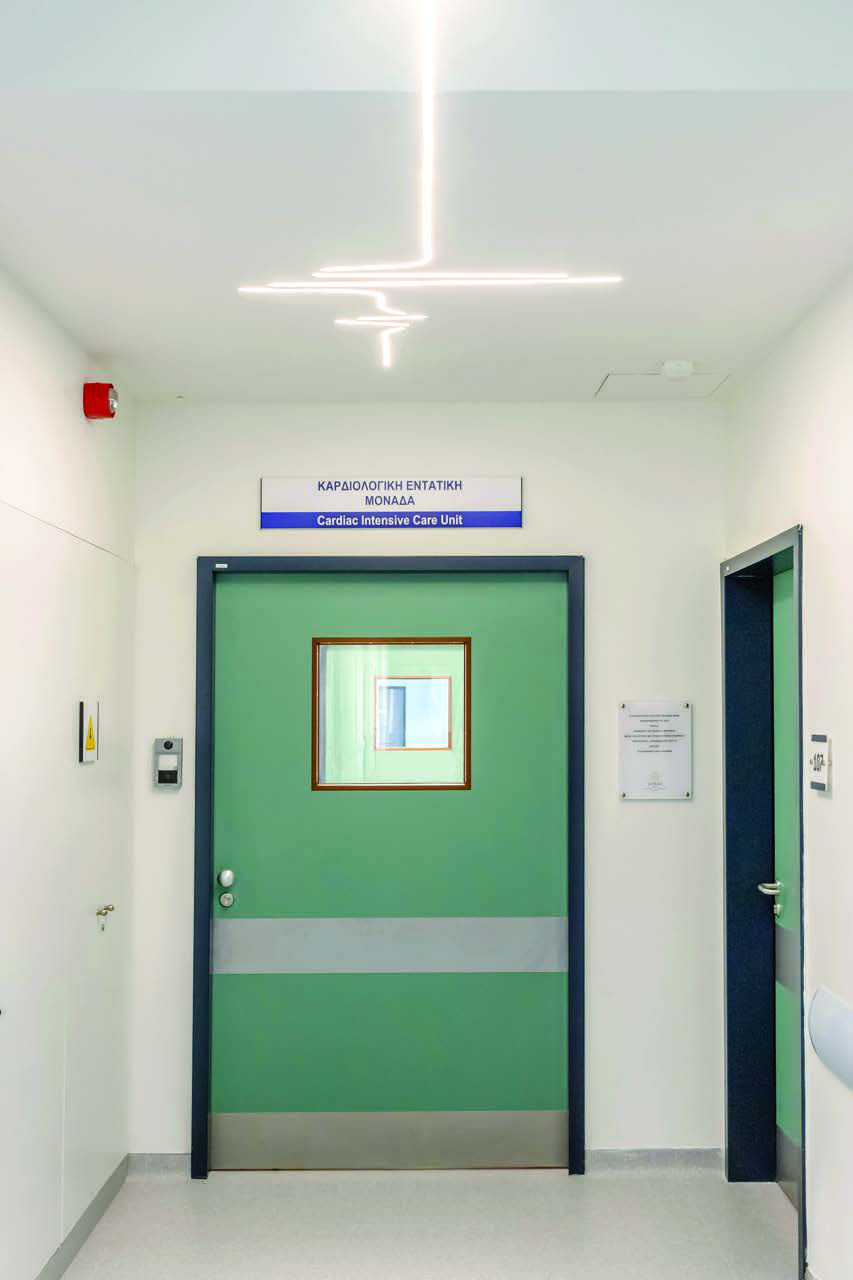
- Building renovation and upgrade of the Cardiac Intensive Care Unit – Infarction Unit (CICU) of the Cardiology Clinic (studies, works, hospitality, and medical equipment).
Upgrade and modernisation of the Cardiac Intensive Care Unit – Infarction Unit (CICU).
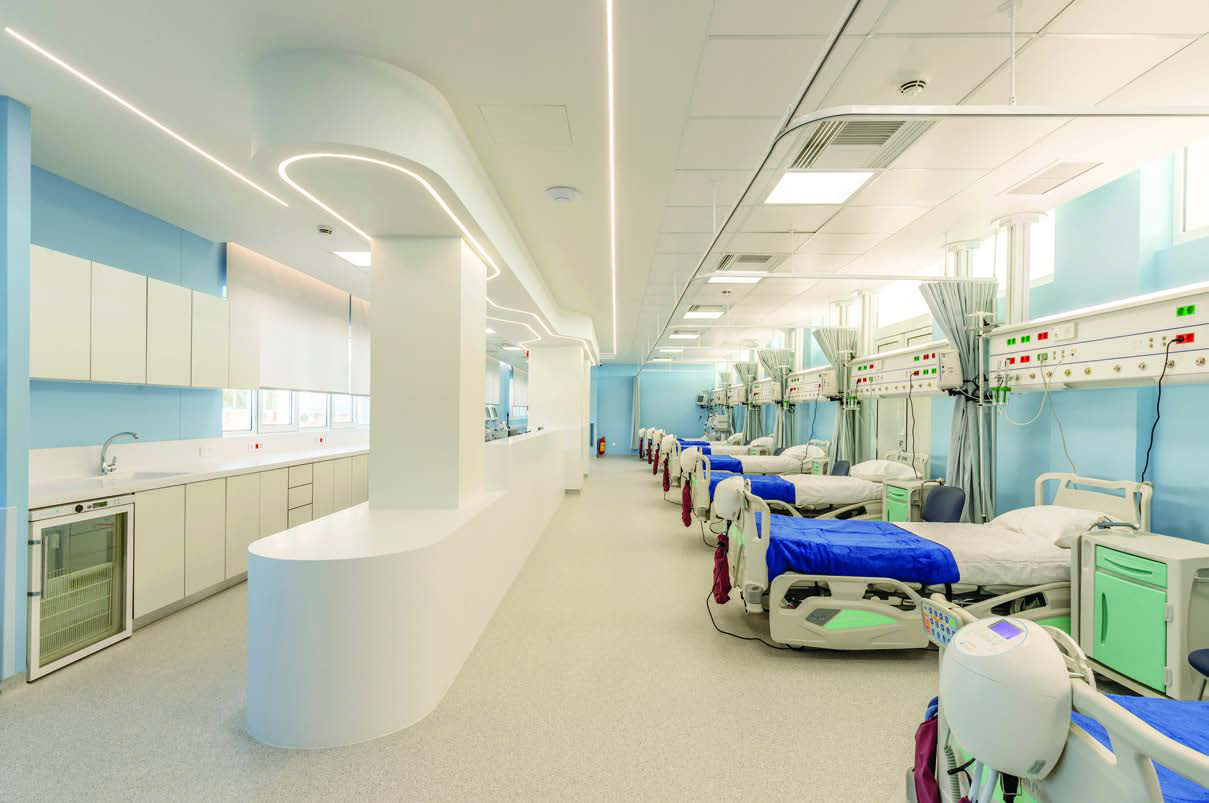
The building renovation and upgrade of the Cardiac Intensive Care Unit – Infarction Unit (CICU) of the Cardiology Clinic constituted AIGEA AMKE’s most significant donation to “Sismanogleio.” As part of the donation, all the required studies were prepared, the works they prescribed were carried out, and the necessary equipment for the proper operation of a modern unit was supplied.
The architectural study was developed with the aim of creating the spaces required for the efficient operation of a contemporary intensive care unit, while also addressing the Hospital’s need to increase the number of CICU beds. In order to secure the necessary space, one of the wards of the adjacent cardiology clinic, as well as the existing staff rest area within the CICU, were relocated.
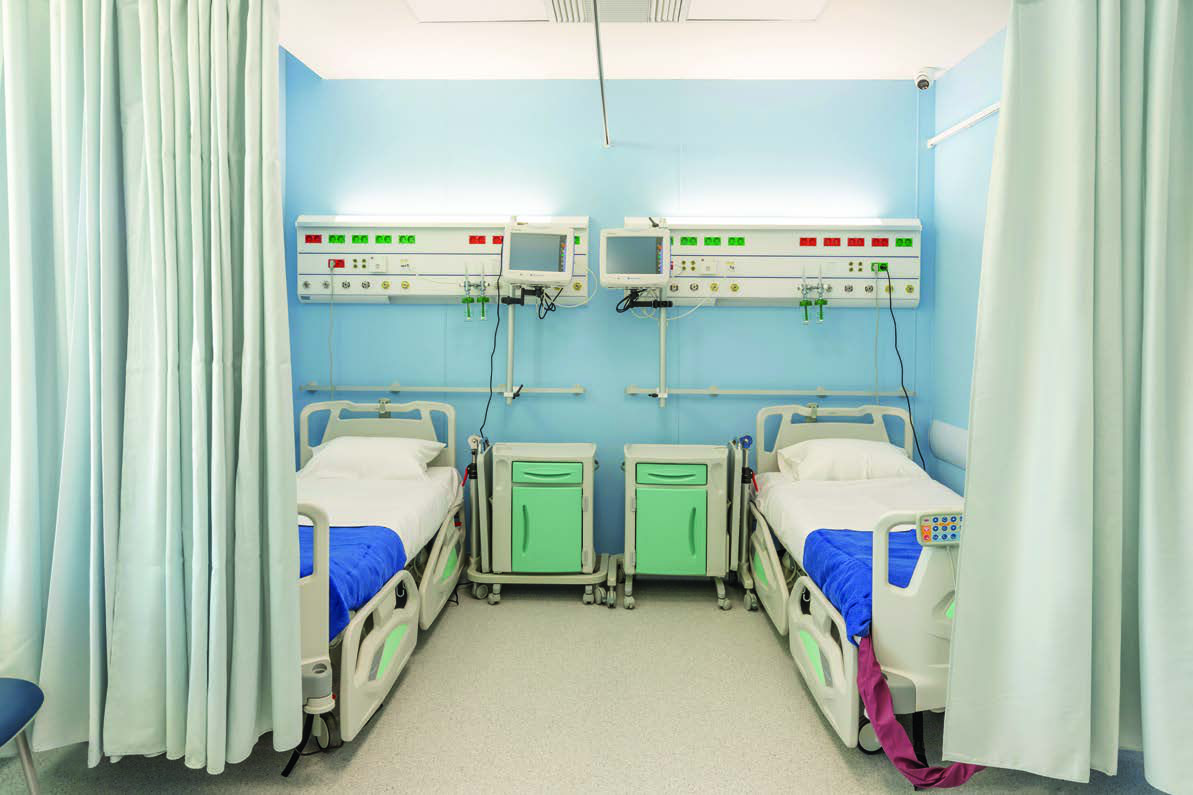
Upon completion of the project, a 12-bed intensive care ward was created, along with a new nurses’ monitoring and workstation equipped with a central monitoring system, a small equipment storage room, a new soiled utility room, a doctor’s office, and additional support areas. Furthermore, a new four-bed ward for the cardiology clinic was established in a new location.
The unit was equipped with modern, high-specification medical and hospitality equipment, including 12 electric ICU beds, 2 twelve-lead electrocardiographs, a non-invasive mechanical ventilation device, a mobile cardiac ultrasound unit, a portable ventilator, 2 mobile ventilators, a defibrillator, and 5 monitoring systems. Of particular importance for the effective operation of the CICU and its coordinated function with the Cardiology Clinic was the supply of a remote patient monitoring system.
With the completion of the new unit, a fully independent and modern Cardiac Intensive Care Unit was added to the National Health System, capable of serving a significantly greater number of patients while providing state-of-the-art medical care.