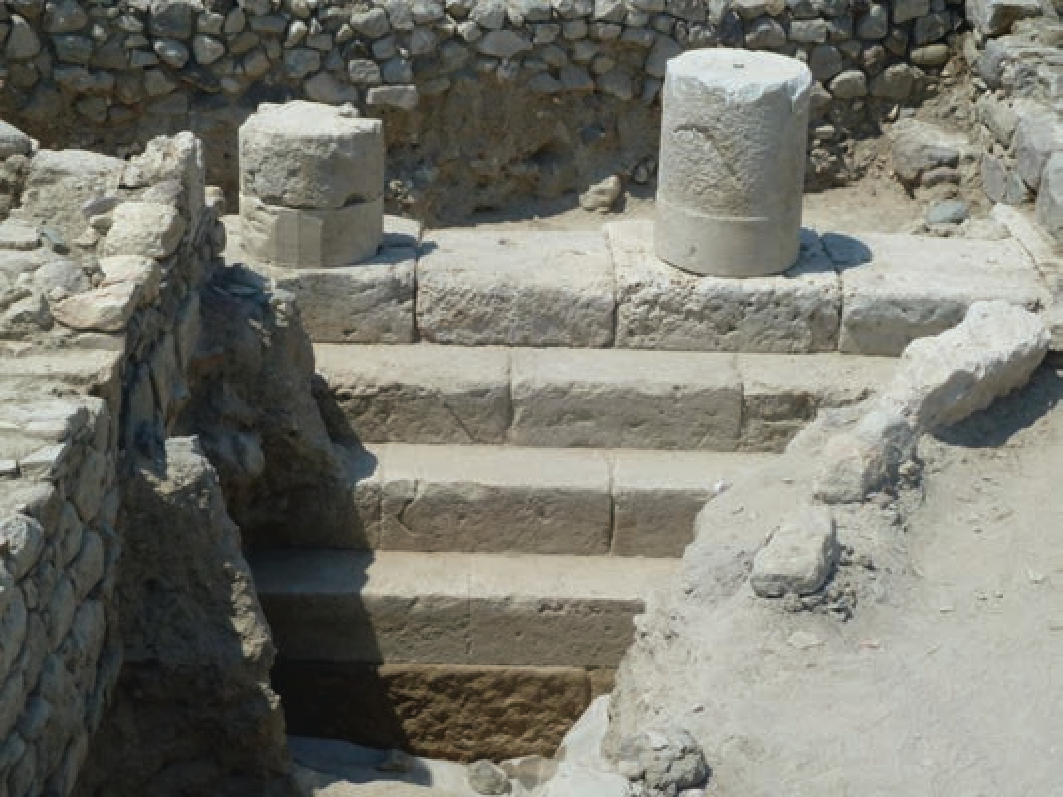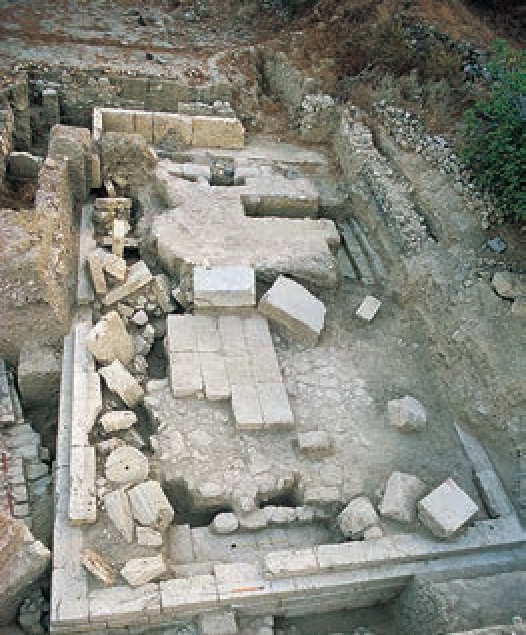
Temple C, early 3rd century BC.
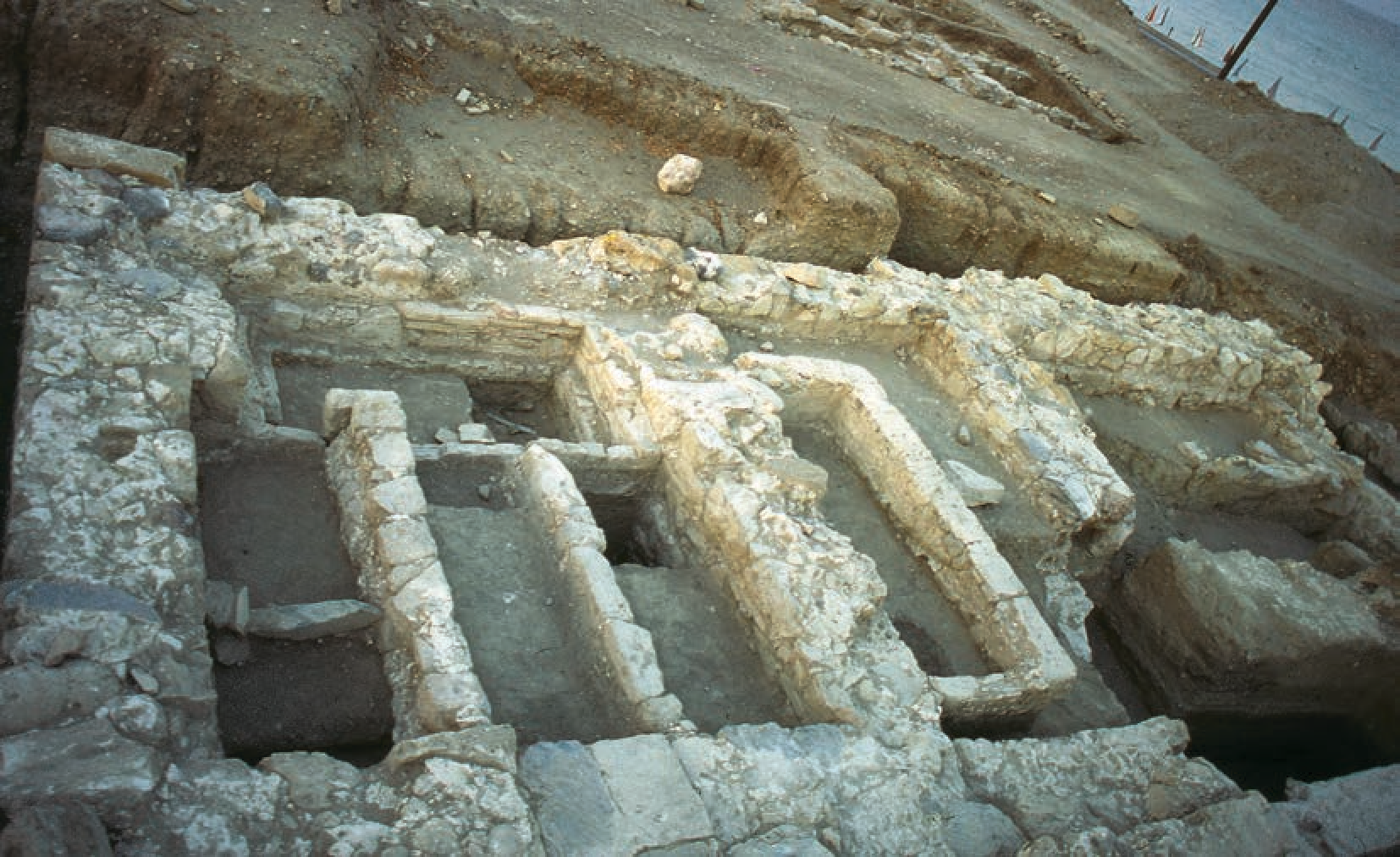
The systematic excavation at Kardamaina (ancient Alasarna) on the island of Kos is a long-term, large-scale research and educational project of the Department of Archaeology and History of Art of the National and Kapodistrian University of Athens. The programme brings to light the ancient sanctuary of Apollo Pythaios/Pythaieus, which flourished during the Hellenistic and Roman periods, as well as a prosperous settlement of the Early Byzantine era (4th to 7th century AD) built upon the ruins of the sanctuary. At the same time, it provides training for a large number of archaeology students from Greek and international universities—more than 1,500 to date.
The excavation is directed by Emerita Professor of Classical Archaeology at NKUA, G. Kokkorou-Alevra, and Assistant Professor N. Dimakis, responsible for the Classical period, as well as by Emerita Professors of Byzantine Archaeology S. Kalopissi-Verti and the recently deceased M. Panagiotidi-Kesisoglou, who were responsible for the Early Byzantine phase of the site. The principal collaborators of the excavation include V. Georgopoulou, G. Doulfis, and E. Kalavria.
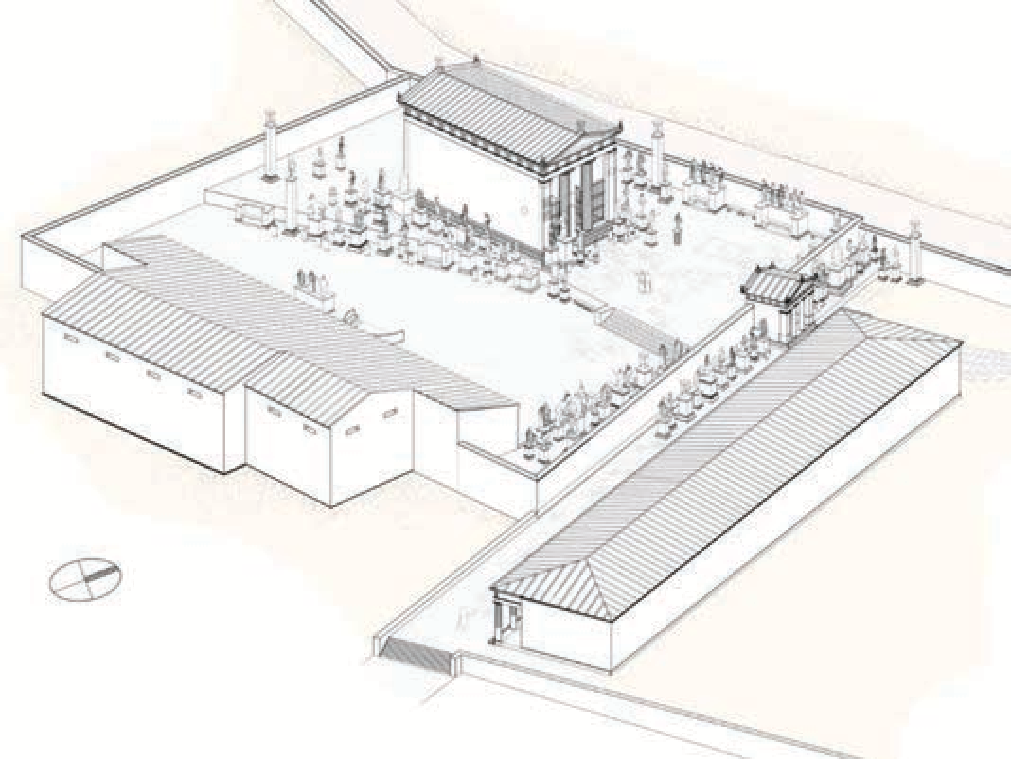
The construction of a hotel in 1982 and the discovery of antiquities provided the impetus for the launch of the university excavation. To date, five monumental ancient buildings have been uncovered: two temples (Building C: 3rd century BC; Building D: 1st–2nd century AD), a stoa of the Late Hellenistic period (Building Z: 2nd century BC), a monumental enclosure with a propylon (Building E: 2nd century BC), and part of a public building (Buildings A+B+stoa: late 2nd century BC–1st century AD).
A significant portion of the coastal settlement of the Early Byzantine period (4th–7th century AD) has also been brought to light. Extensive remains of houses have so far been revealed, many of them preserving coloured wall plasters, as well as workshops and a funerary complex.
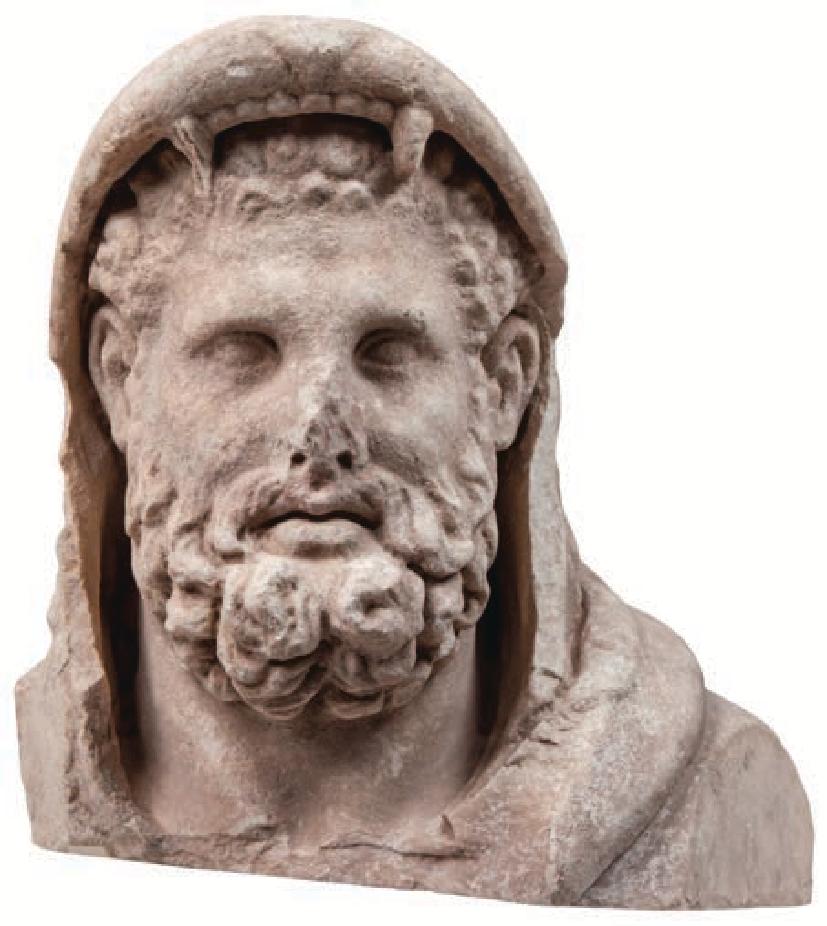
The movable finds from all phases of the site’s occupation are exceptionally rich, including inscriptions, marble statues and statuettes, stone vessels and utensils, terracotta figurines, lamps, coins, and metal objects. Particularly large is the number of transport amphorae, which were essential for the storage and distribution of the famous Koan wine, olive oil, and other products throughout the Mediterranean, as well as for supplying the population and army of Constantinople. The Arab raids of the 7th century AD brought the life of the settlement to an abrupt and definitive end.
Image credit: University Excavation Archive (G. Kokkorou-Alevra).