Holy Church of Saint Nicholas
Sector:
Religion
Implementation Body:
AEGEAS Non-Profit Civil Company
Year:
2019
Location:
Rotterdam, the Netherlands
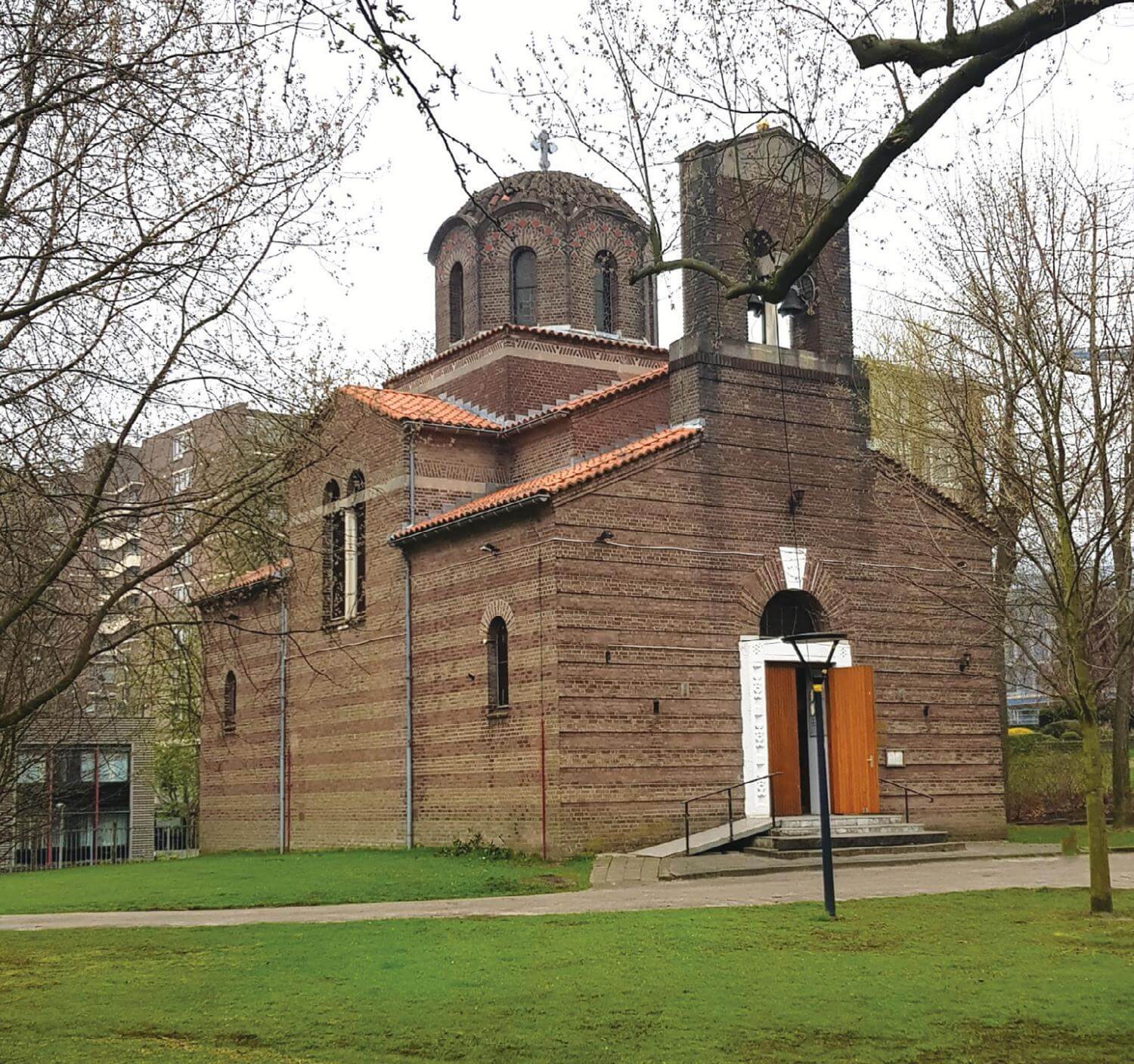
The development of the Dutch economy after the Second World War led to the establishment of Greek shipping companies and the gradual growth of the Greek presence in the Netherlands. A primary concern of the Greek Association of the Netherlands was the construction of a Greek Orthodox church, as until the 1950s Greeks attended services mainly at the Russian church in The Hague.
Rotterdam was chosen as the site for the new church, dedicated to Saint Nicholas, the patron saint of seafarers, not only because of the presence of a small Greek community, but also due to the frequent arrival of Greek ships and seafarers. Several Greek shipowners contributed financially to its construction. In fact, every Greek vessel visiting Rotterdam donated a sum towards the building of the church. The initial plans were prepared by the architect Antoniadis and were later completed by the Dutch architects De Jongh, Taen, and Nix.
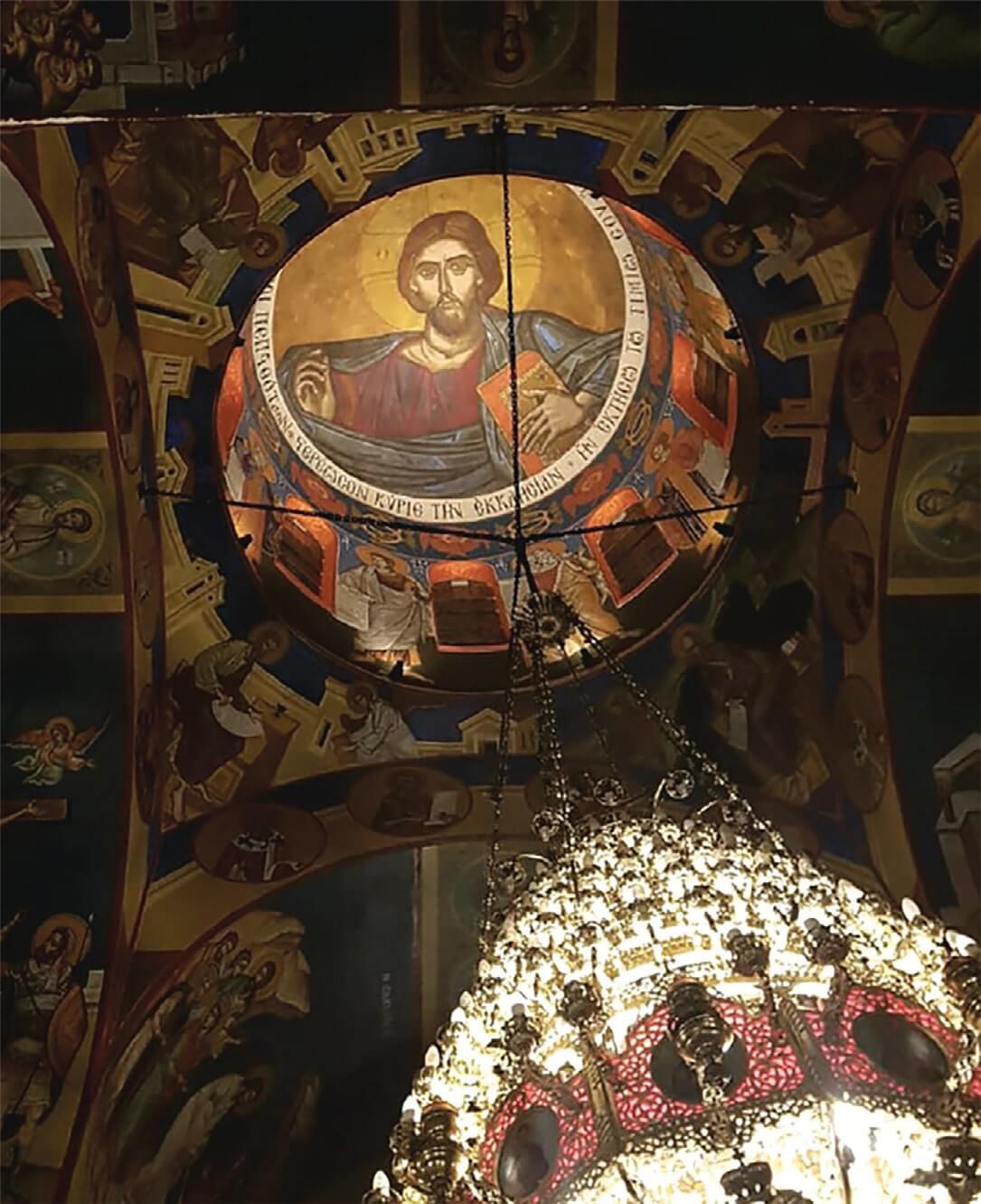
On 4 February 1954, the then Prime Minister of Greece, Alexandros Papagos, planted a simple wooden cross at the construction site of the church under erection, bearing the inscription in Greek and Dutch: “Hier wordt een Grieks-Orthodoxe kerk gebouwd – Here a Greek Orthodox church is being built.” Some of the dome and apse icon paintings were executed in 1956 by the painter Panagiotis Tetsis. The construction of the church was completed in 1957.
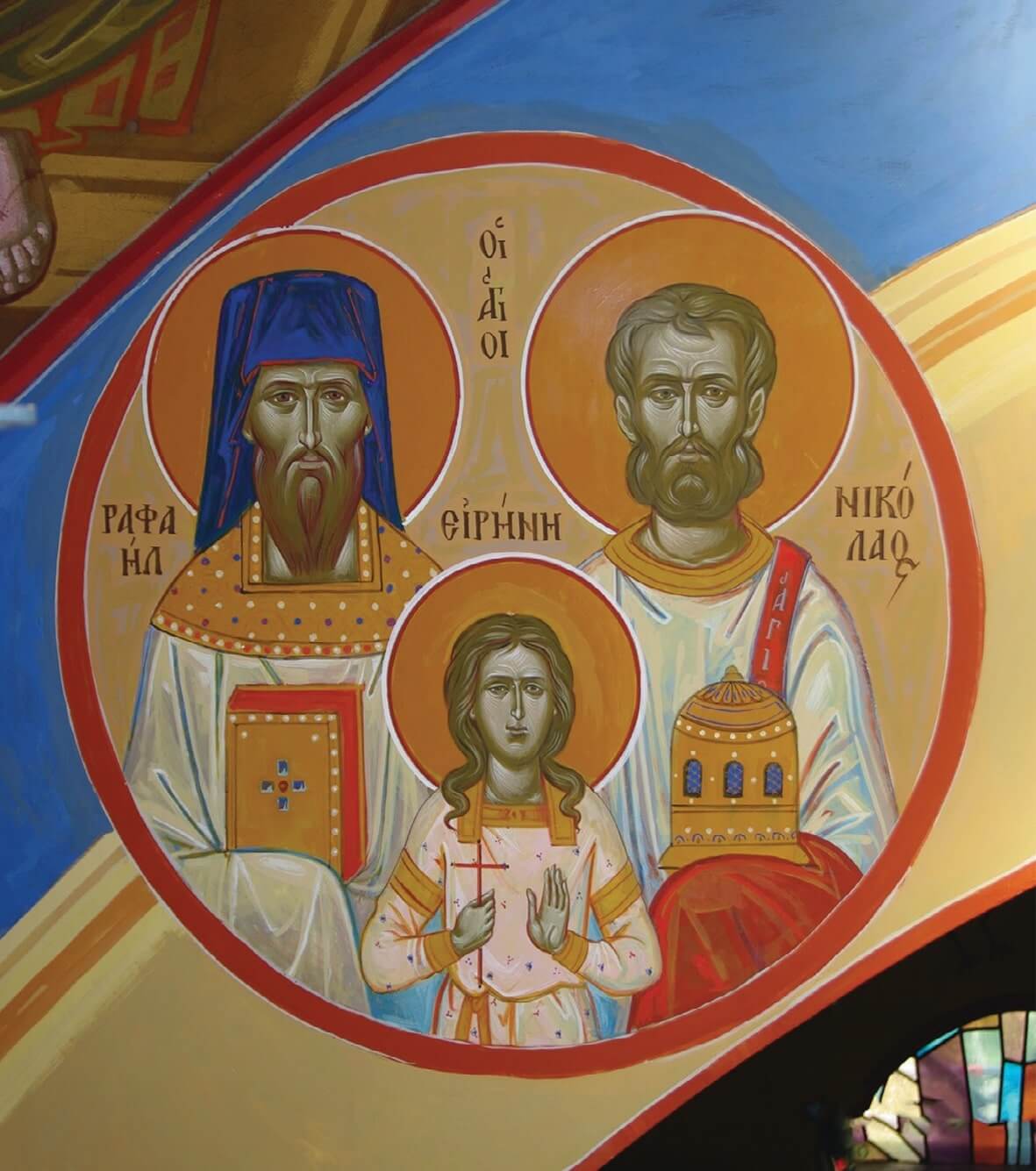
Over time, extensive deterioration occurred to the roof and dome of the church, as well as to its icon paintings. Responding to the request of the church council, Athanasios and Marina Martinou undertook the full restoration of these elements.
DONATION OF THE NON-PROFIT CIVIL COMPANY AEGEAS
- Repair and restoration of the roof and dome, including waterproofing and sealing works, replacement of roof tiles and window frames, and conservation of the Cross.
- Conservation and restoration of portable icons.
- Conservation and completion of the iconographic decoration of the dome and the Platytera.