Holy Church of Saint Anastasia the Roman
Sector:
Religion
Implementation Body:
AEGEAS Non-Profit Civil Company
Year:
2018
Location:
Arsakeio, Psychiko
The Philekpaideftiki Etairia (Society for the Promotion of Education and Learning) was founded in 1836 with principal aims that included the education of the Greek people, the training of teachers, and the addressing of a critical gap in the newly established Greek state—the lack of schools for girls. In 1850, following the generous benefaction of Apostolos Arsakis, the construction of the Society’s first privately owned school began on Panepistimiou Street in Athens, which was named “Arsakeion” in his honour. Arsakis also wished for a church to be built there, dedicated to Saint Anastasia the Roman, in memory of his beloved wife.
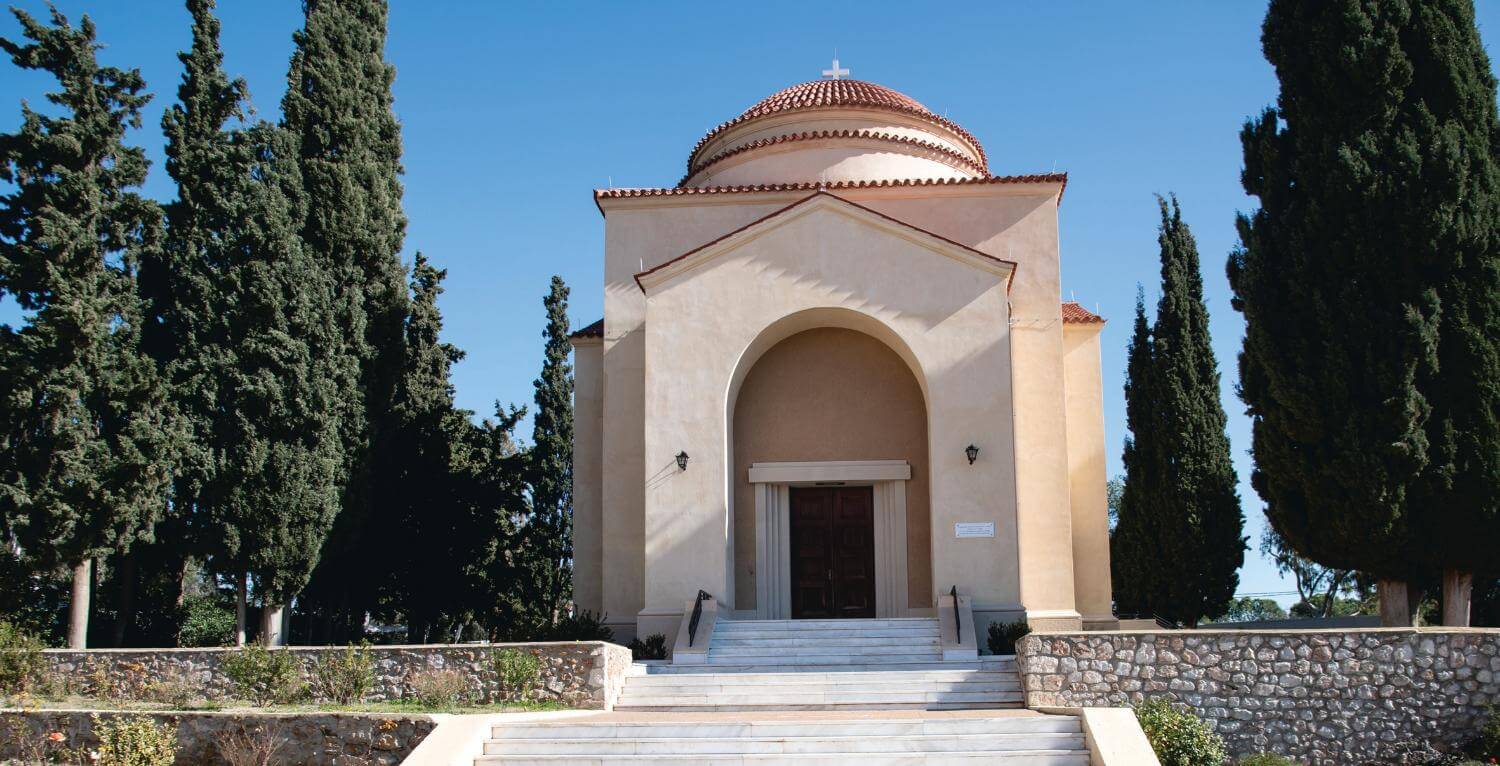
This church, which operated from 1855 to 1931, stood in the courtyard of the Arsakeion building in Athens. In 1927, when the Board of Directors of the Philekpaideftiki Etairia, under the presidency of Ioannis Koundouriotis, initiated plans for the construction of a new school complex in Paleo Psychiko, it was also decided to erect a new Church of Saint Anastasia the Roman. Its design was entrusted to Andreas Kriezis, who was also responsible for the architectural plans of the entire Arsakeion Psychiko complex.
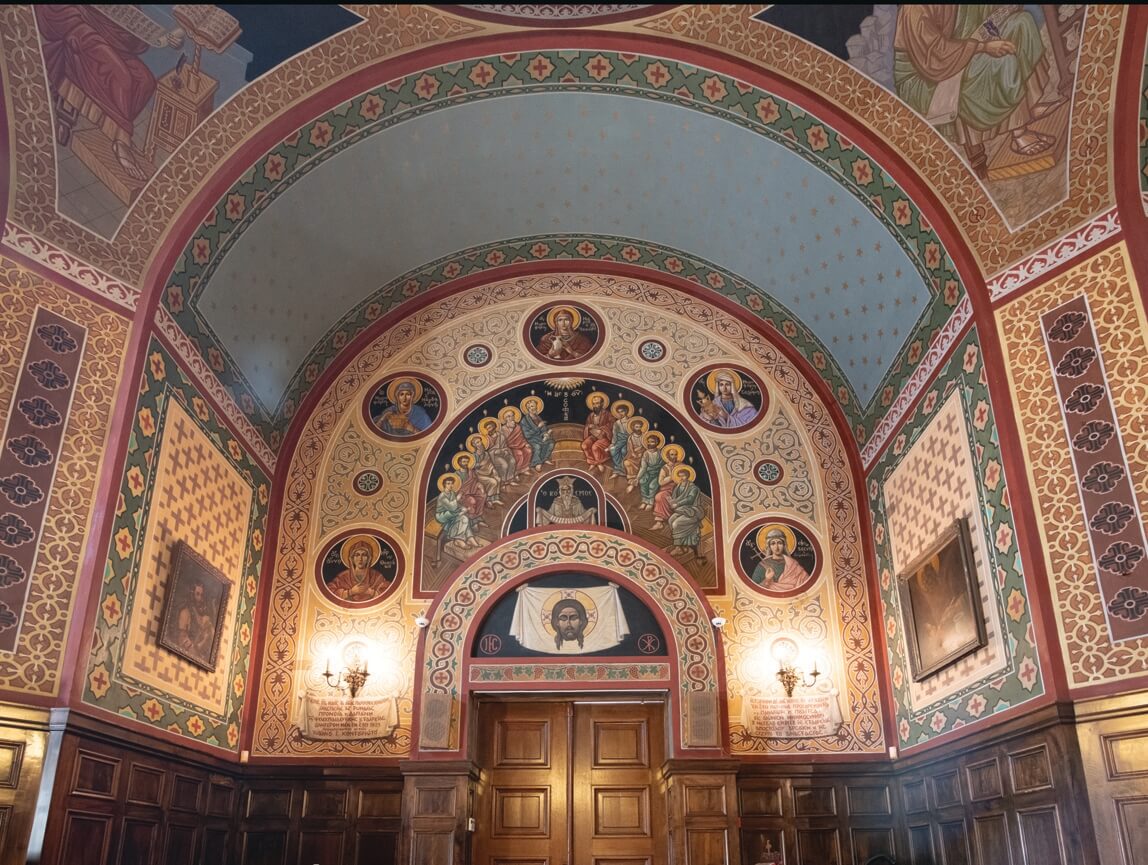
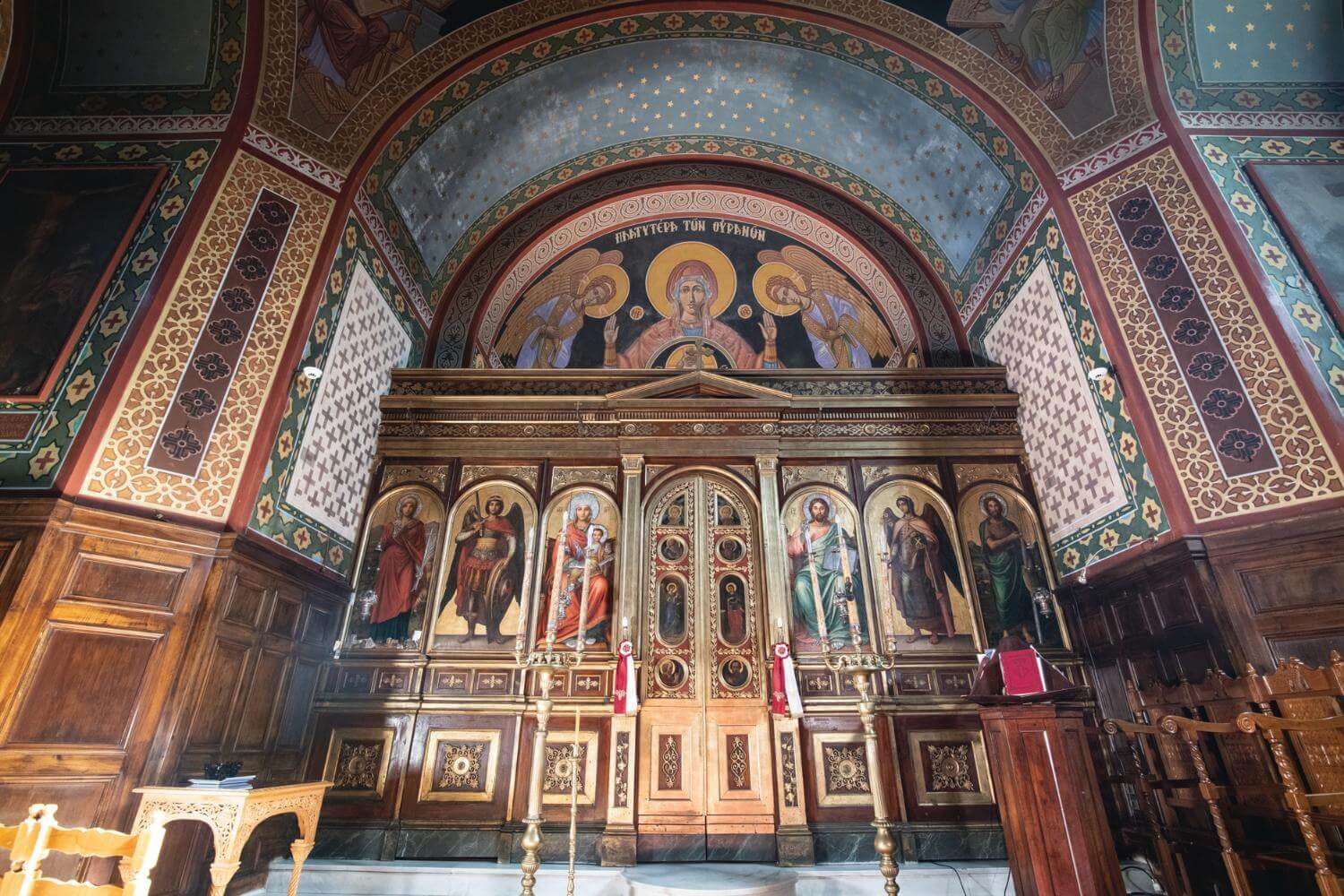
The church—almost square in plan, cross-in-square with a dome—was built in a prominent position within the school grounds. Its inauguration took place on 29 October 1935, during the presidency of Konstantinos Kyriakou. The iconographic decoration, assigned to Ioannis Psychakis, began in 1963 and was completed in 1968. Sacred vessels, parts of the iconostasis of the earlier church, and numerous icons—most of them donations by devout benefactors of the 19th century—were transferred to the new church.
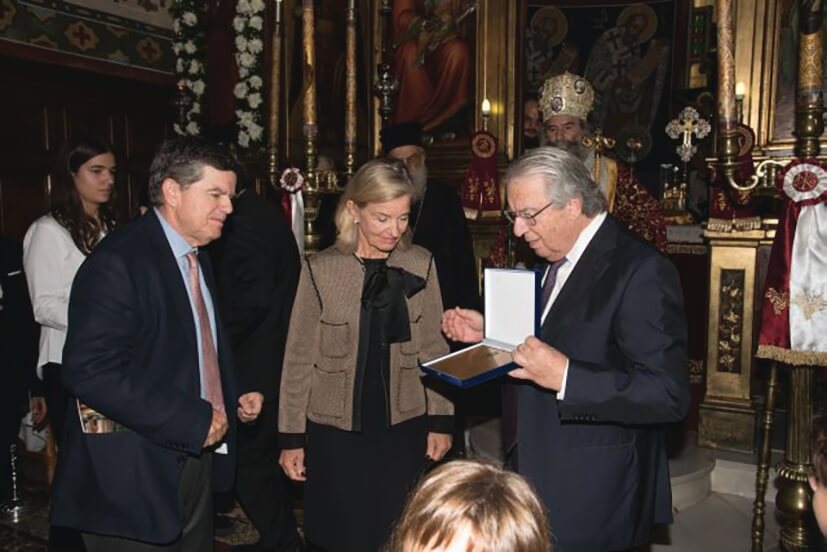
Over the years, the church building sustained considerable deterioration, the repair of which was made possible through the generous donation of Athanasios and Marina Martinos, who fully undertook its restoration. On Monday, 29 October 2018, the feast day of the church, a commemorative plaque was presented to the two benefactors in recognition of their significant contribution, by the President of the Philekpaideftiki Etairia, Professor Georgios Babiniotis.
DONATION OF THE NON-PROFIT CIVIL COMPANY AEGEAS
- Restoration of the Holy Church, including roof replacement, structural reinforcements and stabilisation works, bell support strengthening, removal of deteriorated plaster and application of new finishes, as well as restoration and conservation of the doors and windows.
- Conservation of the iconographic decoration of the Holy Church.