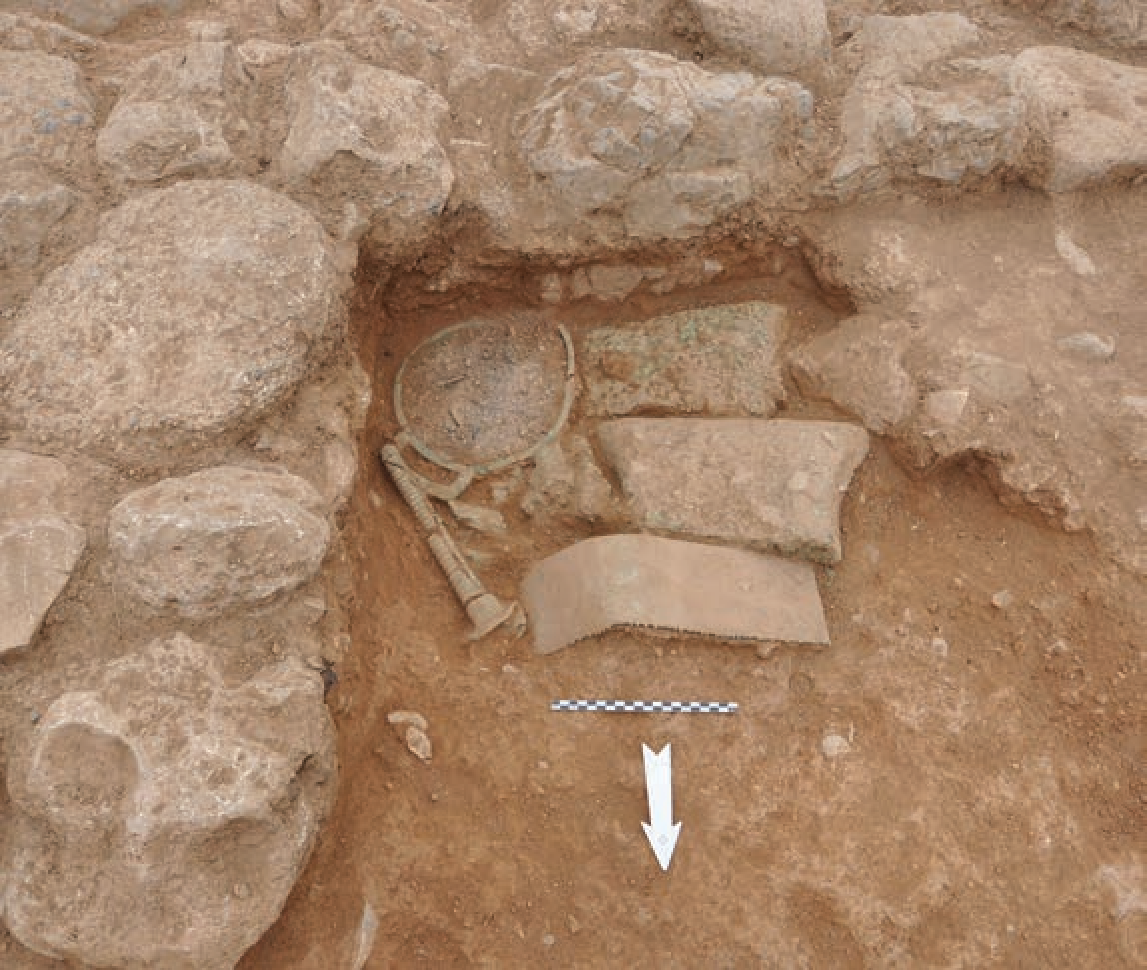
Metal hoard in situ.
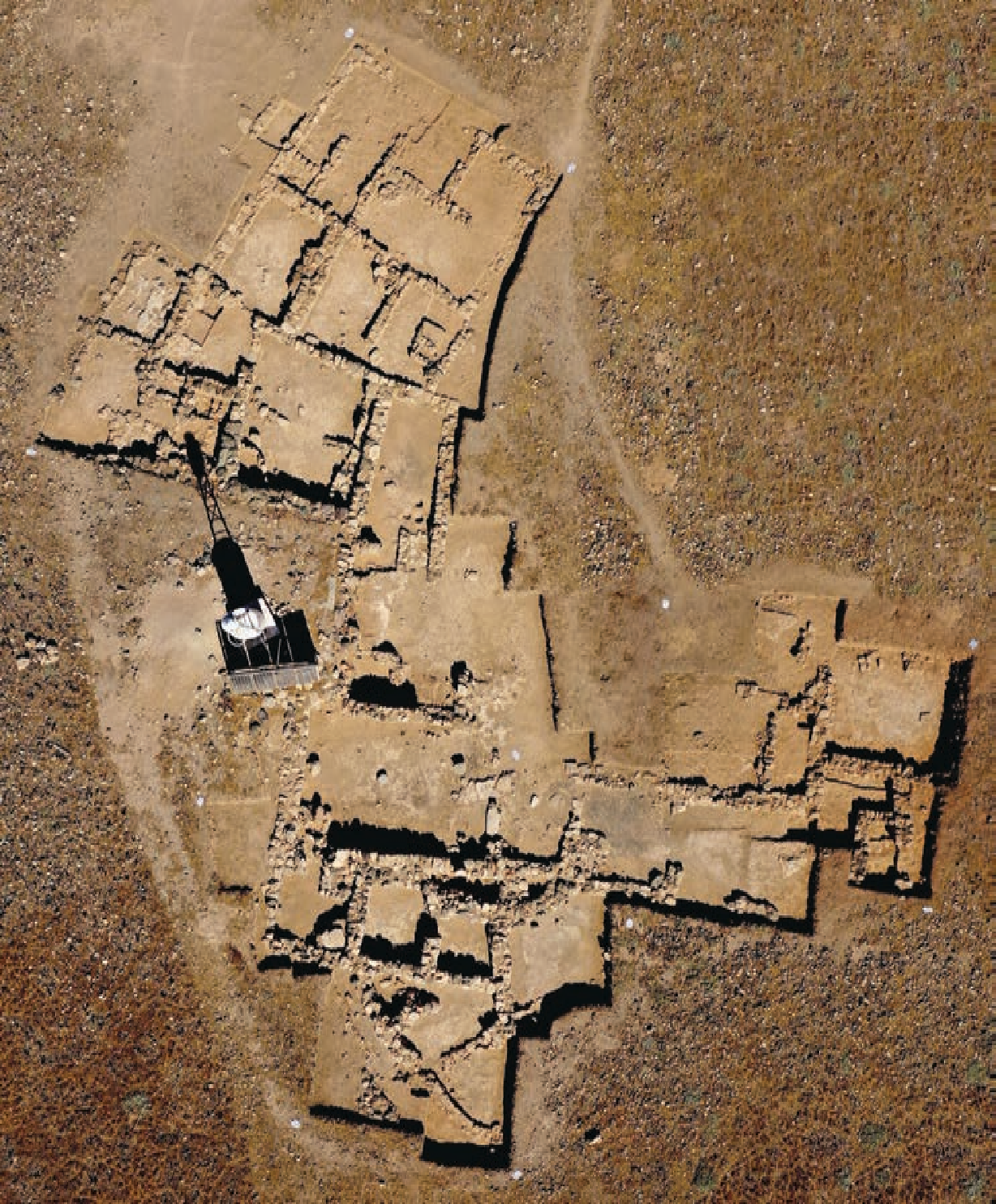
Chrysi Island lies 7 nautical miles south of Ierapetra (Crete). It is a small island approximately 5 km long and up to 1.6 km wide. Between 2008 and 2011, a surface survey was conducted under the supervision of the Ephorate of Antiquities of Lasithi, which led to the identification of 28 archaeological sites spanning the entire chronological range from Prehistory (Final Neolithic period, Bronze Age [Minoan period]) to the historical periods (Hellenistic, Roman, Byzantine, Venetian, and Ottoman), attesting to the island’s continuous habitation and use over time.
Since 2015, systematic excavations have been carried out on the island under the direction of the Head of the Ephorate, Ms Chrysa Sofianou. To date, a Minoan settlement has been identified on the northwestern coast of the island, as well as remains of Greco-Roman cisterns and other structures near the lighthouse and around the church of Agios Nikolaos.
AIGEA AMKE, through the Institute for Aegean Prehistory Study Center for East Crete (INSTAP SCEC), supported the research in 2024.
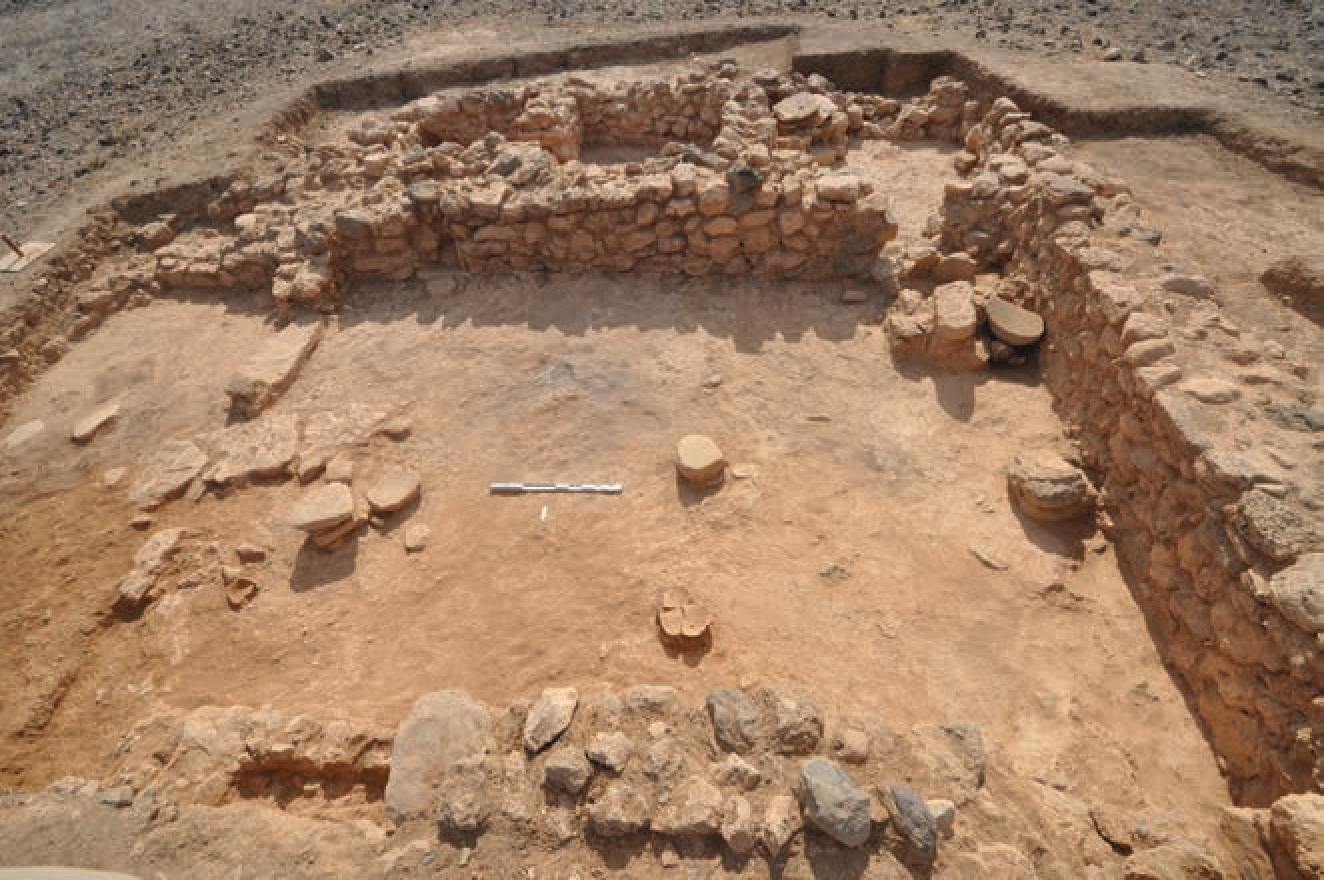
The excavation of the Minoan settlement has brought to light parts of five buildings, while at least ten more buildings are visible in the same area. The settlement was continuously inhabited during the Protopalatial and Neopalatial periods (MM IIB – LM IB, approximately 1800–1500 BC). The finds indicate that the island was inhabited for extended periods in order to exploit its marine resources.
A large number of broken murex shells discovered within the rooms of the settlement’s buildings attest to one of the earliest known workshop installations in the Mediterranean for the production of purple dye, which was one of the principal export products of Minoan Crete. It appears that the coastal settlement of Chrysi actively participated in regional maritime trade networks controlled by the Minoan centres of power on the opposite coast. The island’s inhabitants procured or exchanged goods from seafaring merchant vessels passing through the area.
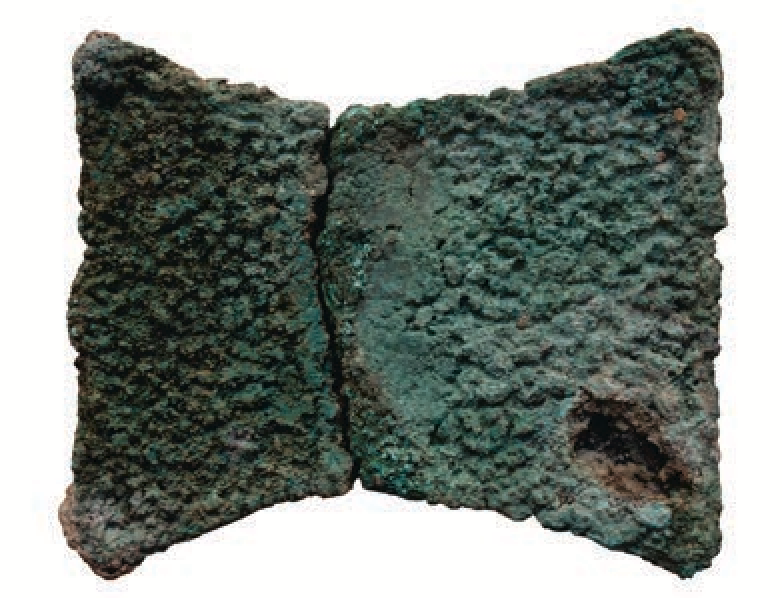
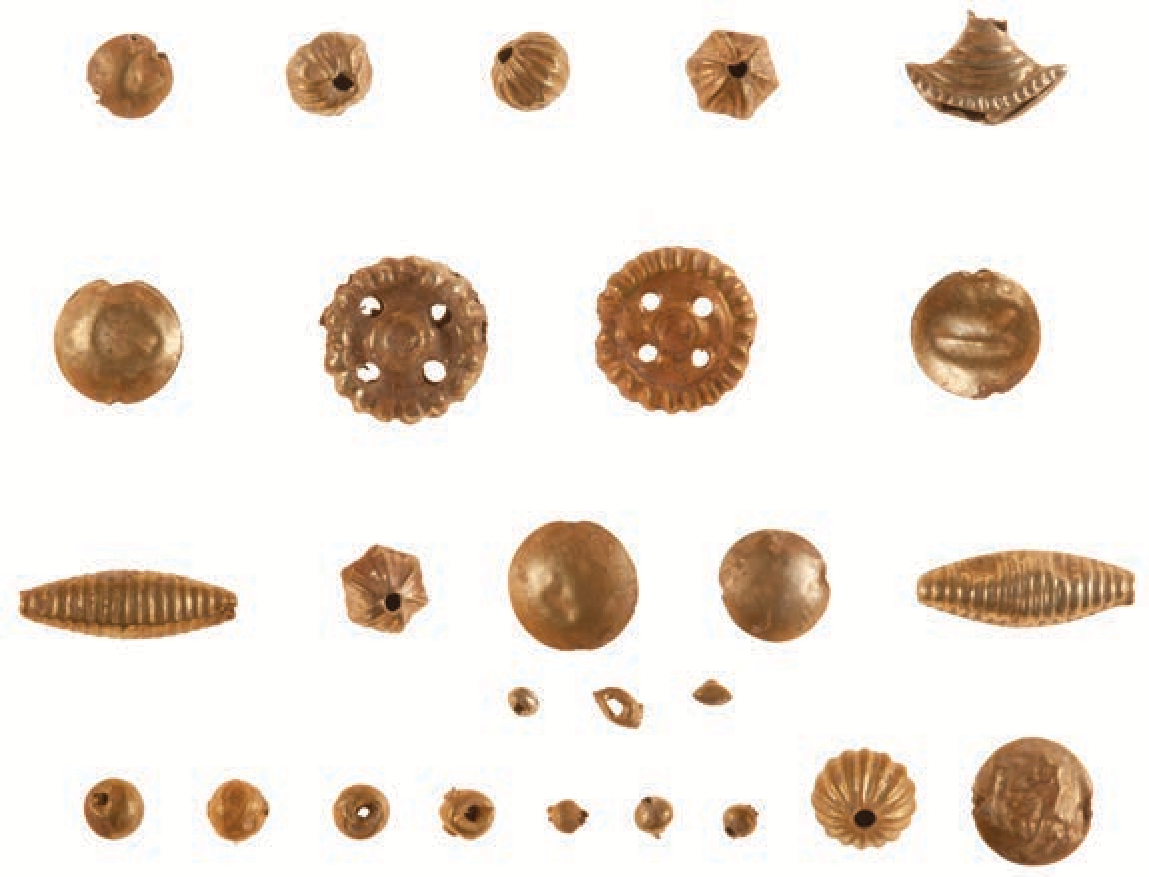
Excavations in Building B2 brought to light two metal hoards consisting of copper ingots and jewellery originating from Knossos, Cyprus, Egypt, Anatolia, the Near East, the Indus Valley, and Central Asia.
Image credit: Ephorate of Antiquities of Lasithi Archive / INSTAP.