Holy Church of All Saints (Monastery of the Confessors)
Sector:
Religion
Implementation Body:
AEGEAS Non-Profit Civil Company
Year:
2023
Location:
Ampelokipoi, Athens
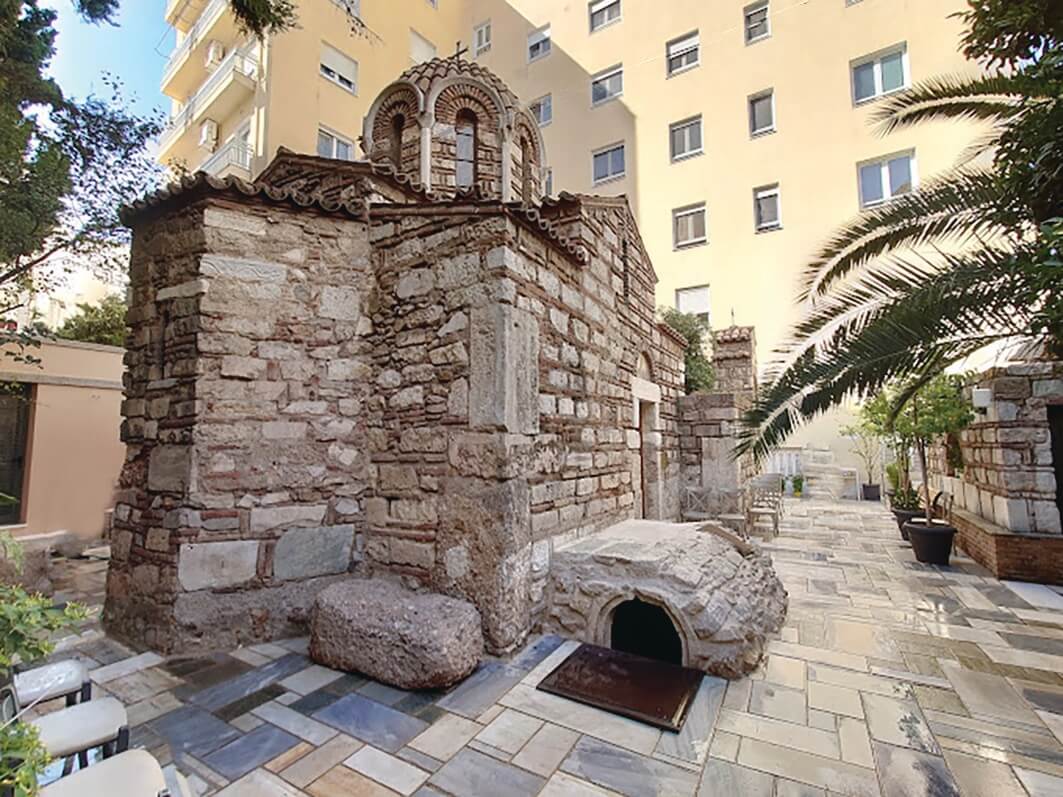
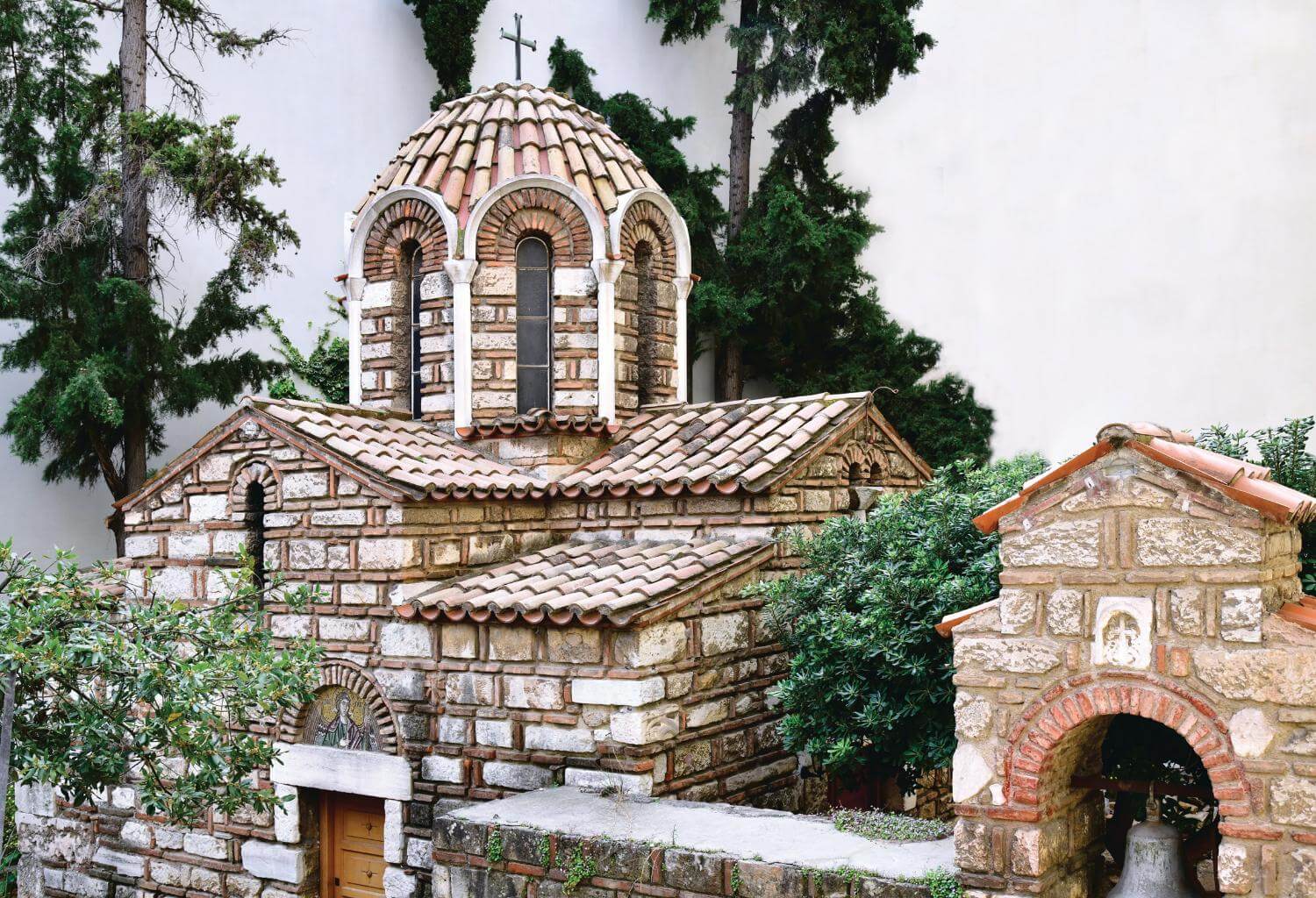
The Church of All Saints, today a dependency (metochion) of the Holy Monastery of Asomaton Petraki, belongs to the architectural type of the cross-in-square church with two columns and dates to the Middle Byzantine period. Although little is known about its original construction, it is established that in the 11th century it was built upon the ruins of a temple dedicated to Ourania Aphrodite.
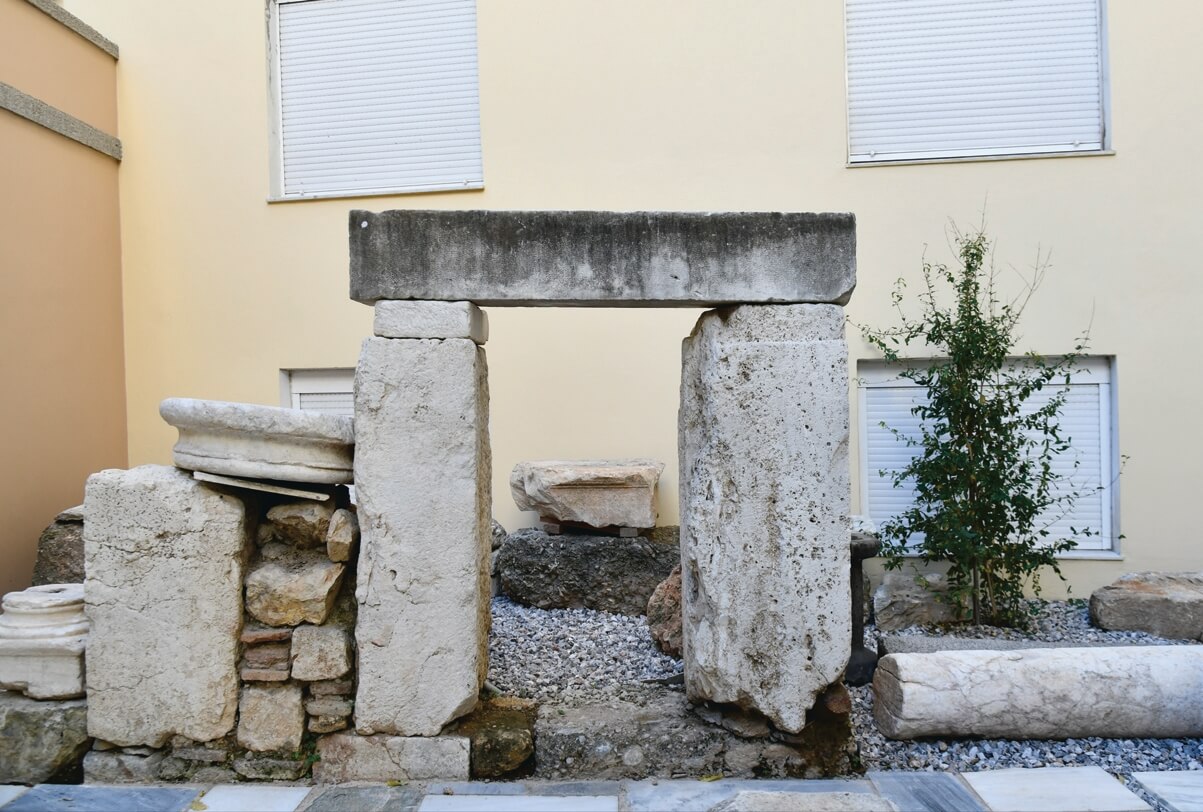
In antiquity, the site accommodated not only the temple but also a sacred grove (“Gardens”) with a spring and an altar to the goddess, which survives today outside the church. The small church is considered contemporary with Kapnikarea, the Church of the Holy Theodoroi at Klafthmonos Square, and Omorfokklisia in Galatsi.
At the height of its prominence, it served as the katholikon of the Monastery of the Confessors. According to accounts of foreign travelers, by the 19th century the church was already in ruins. Its missing sections were reconstructed by Anastasios Orlandos in the mid-20th century. In recent times, it survived with extensive alterations to both its interior and exterior. On the south side of the church, a roughly constructed auxiliary hall had been attached.
Its lower ground level in relation to today’s Tsocha Street, together with the post-1950s construction of bulky apartment buildings around it, significantly diminished both its aesthetic and archaeological presence.
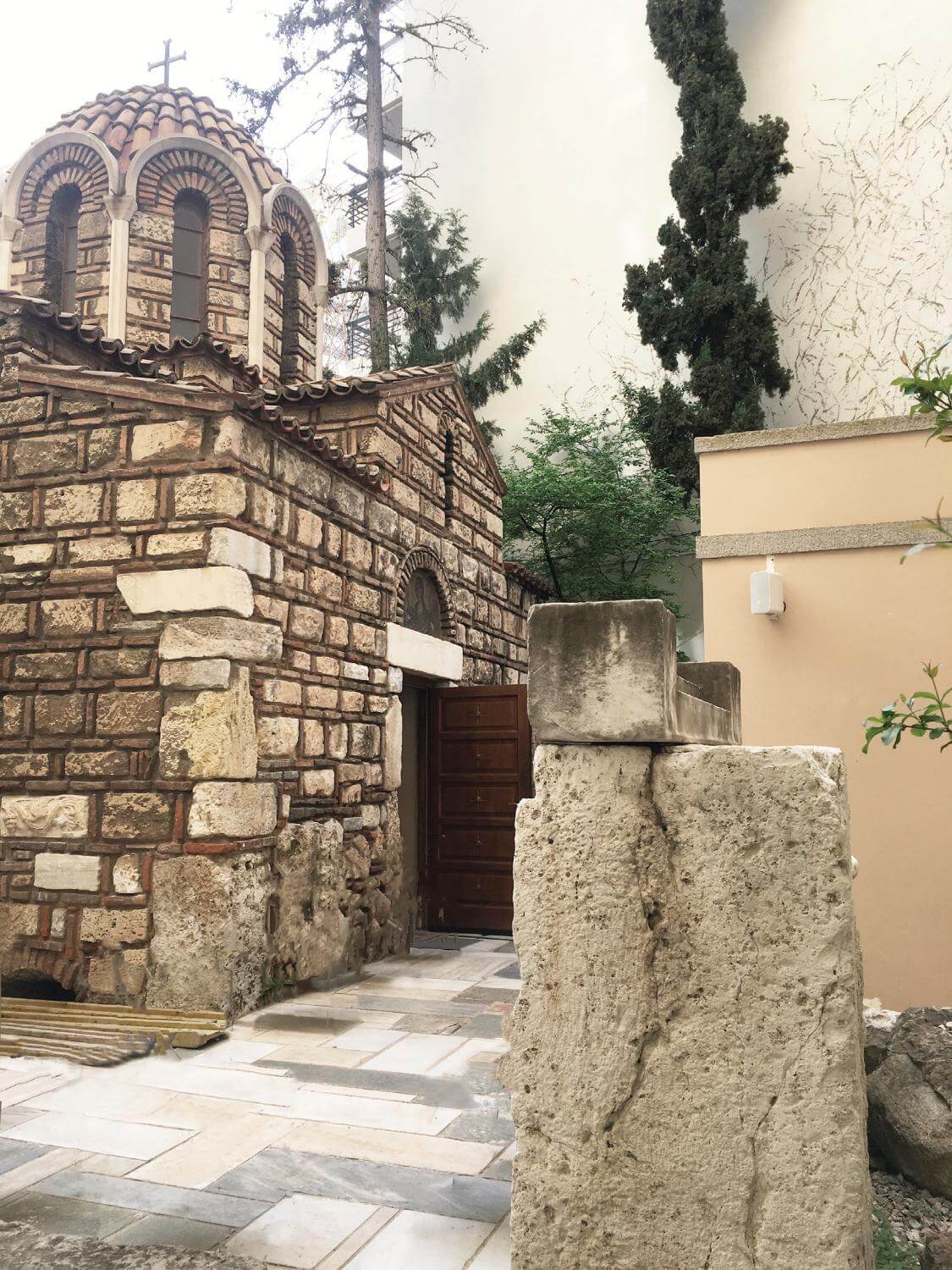
The project carried out by AIGEAS AMKE aimed at enhancing and improving both the interior and exterior spaces of the monument. Externally, traditional marble paving was laid and the courtyard was comprehensively refurbished. The modern addition was demolished, and a new auxiliary building of simple form was constructed at a distance from the church.
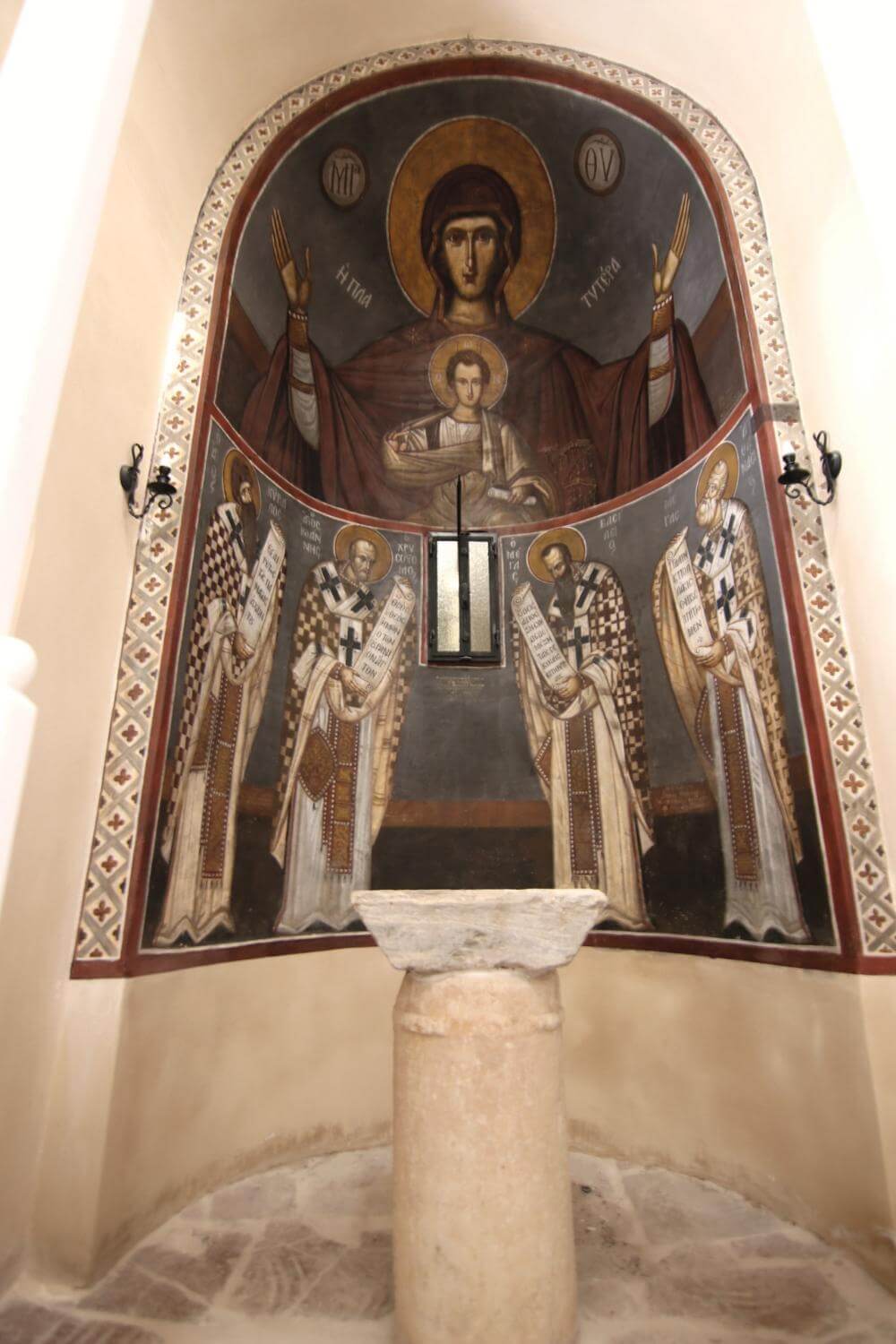
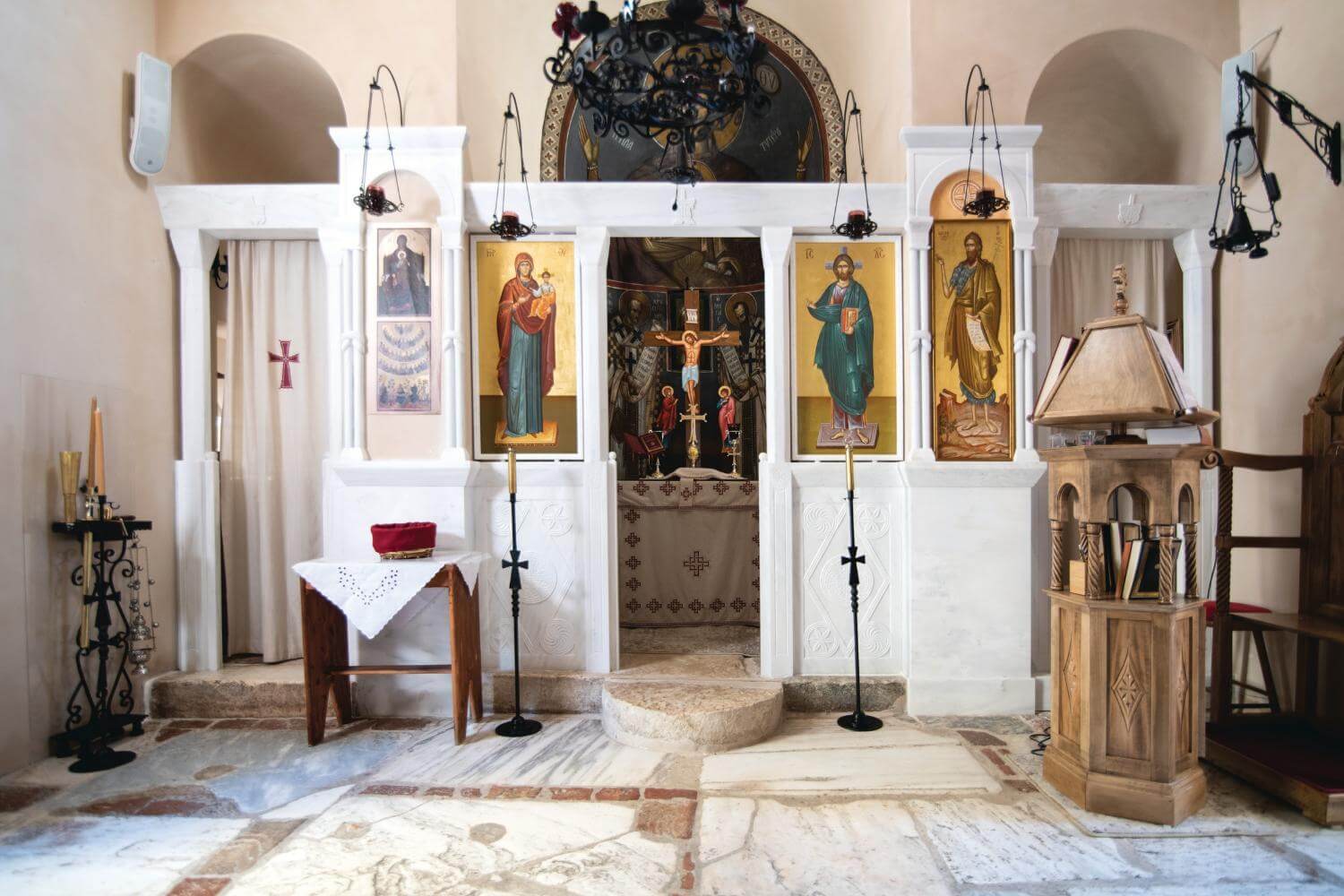
Inside the church, the undecorated surfaces were replastered, while the existing wall paintings, marble architectural elements, and the original marble floor were conserved and cleaned. A new marble templon, designed in a simplified Byzantine style, was constructed. Finally, the window frames were restored and new wooden doors were installed.
As part of the restoration works, an archaeological excavation was carried out around the perimeter of the church under the supervision of the Ephorate of Antiquities of the City of Athens. The investigation brought to light Byzantine graves and architectural remains, offering valuable information about the church and the monastic community during the Byzantine and post-Byzantine periods.
DONATION OF THE NON-PROFIT CIVIL COMPANY AEGEAS
- Study and restoration works of the Holy Church, along with the enhancement of its surrounding area.
- Conservation of the wall paintings and the stone elements of the Holy Church.
- Construction of a new auxiliary building.