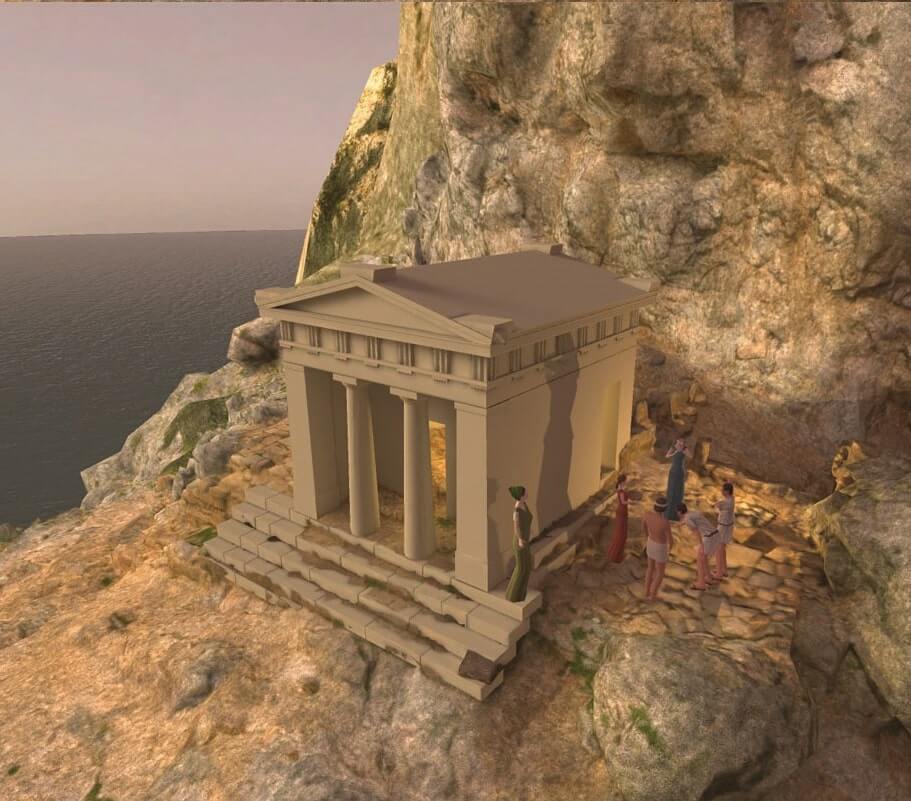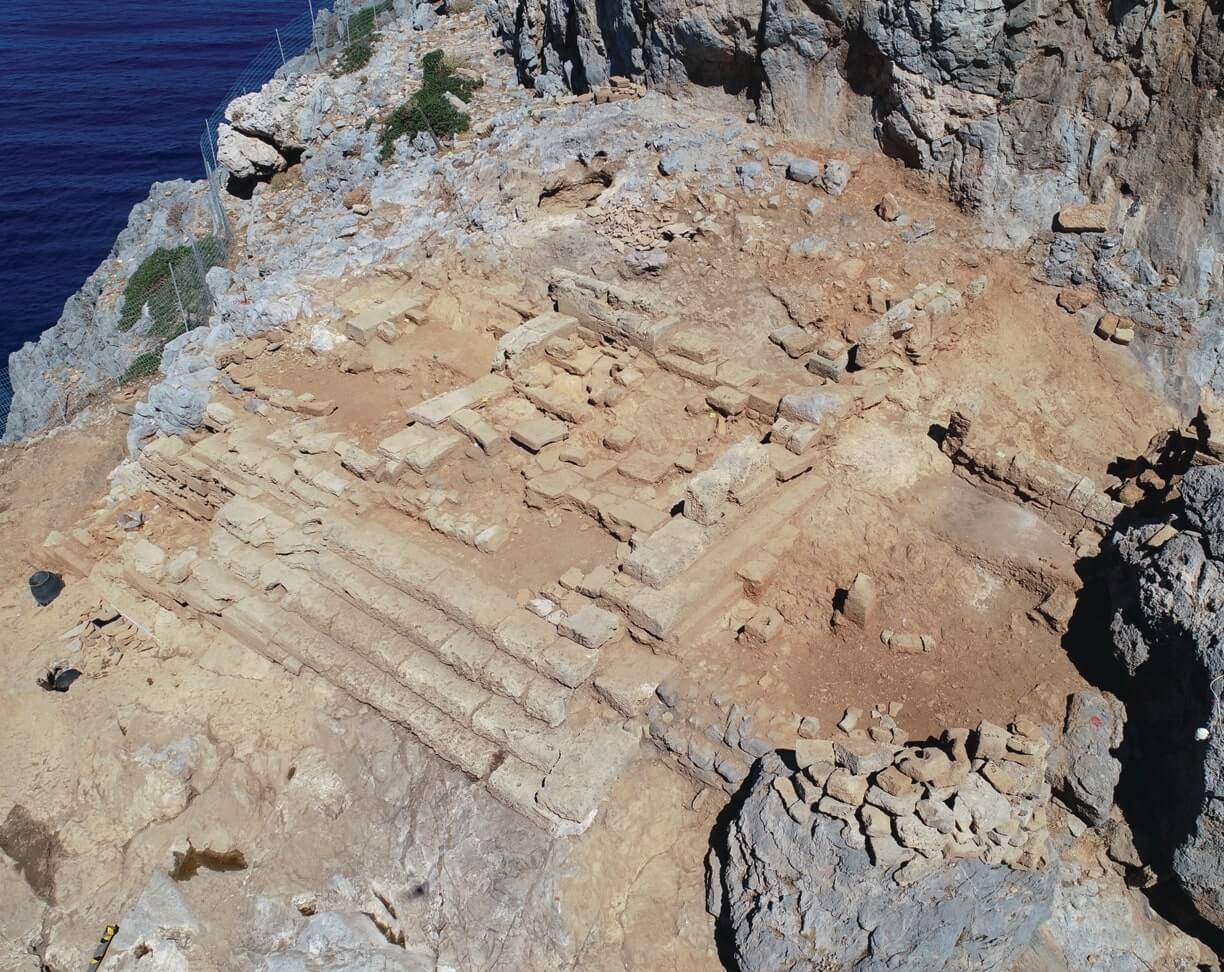
The Temple of Demeter on the saddle of the acropolis (5th century BC).
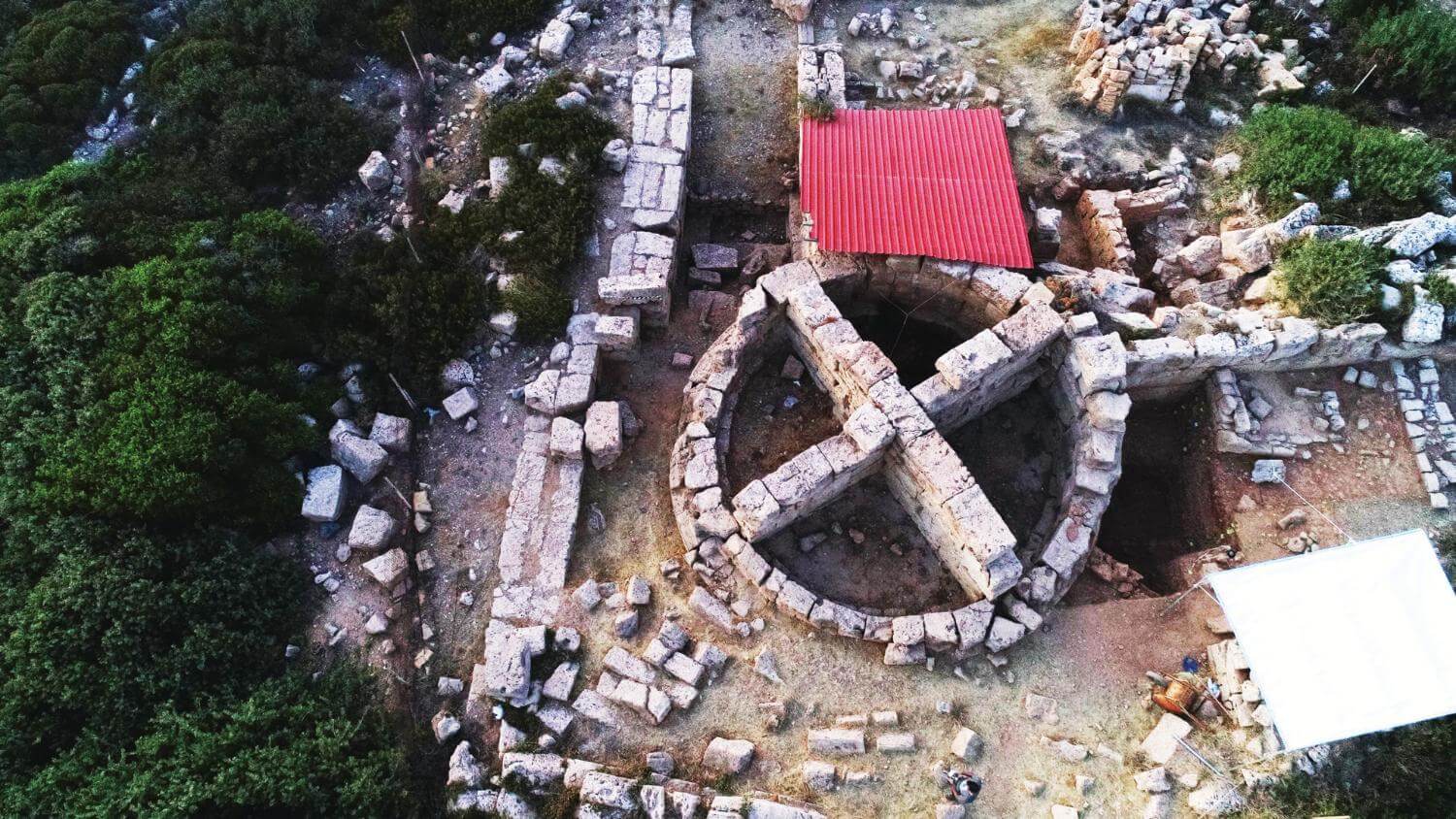
Ancient Phalasarna is built on a headland of the Gramvousa Peninsula in western Crete, facing the western Mediterranean Sea in the direction of Sicily and South Italy. Its prehistoric culture was lost, due to successive earthquakes, and the area was abandoned until the eighth century BC, when it was resettled by the new tribe, of the Dorians. The incomers brought with them Greek script, established a legislative framework and a political system, organized trade and developed seafaring, which enhanced them as a nautical power. Around the rocky coast they constructed a harbour, which has clear Phoenician features, surrounding it with elaborate defensive towers, quays and fortification walls, thus securing their domination at sea for 260 years (4th-1st c. BC). Upon the ruins of the prehistoric settlement, the settlers built the ancient acropolis with public buildings and temples, one of which was dedicated to the goddess Demeter (5th c. BC). Since 2020, the Non-profit Civil Company AEGEAS has contributed to the funding of the excavations of various monuments in the ancient city, while thanks to a donation from AEGEAS excavation of the temple on the acropolis commenced in 2022.
The excavations carried out during the 2023–2024 season focused on the investigation of the natural rocky cavities surrounding the Temple of Demeter. Stone tools made of flint and obsidian, found within the deposits and dating to the Late Neolithic period (3500 BC), confirmed the presence of the lost prehistoric culture of Phalasarna, as also attested by its pre-Greek name.
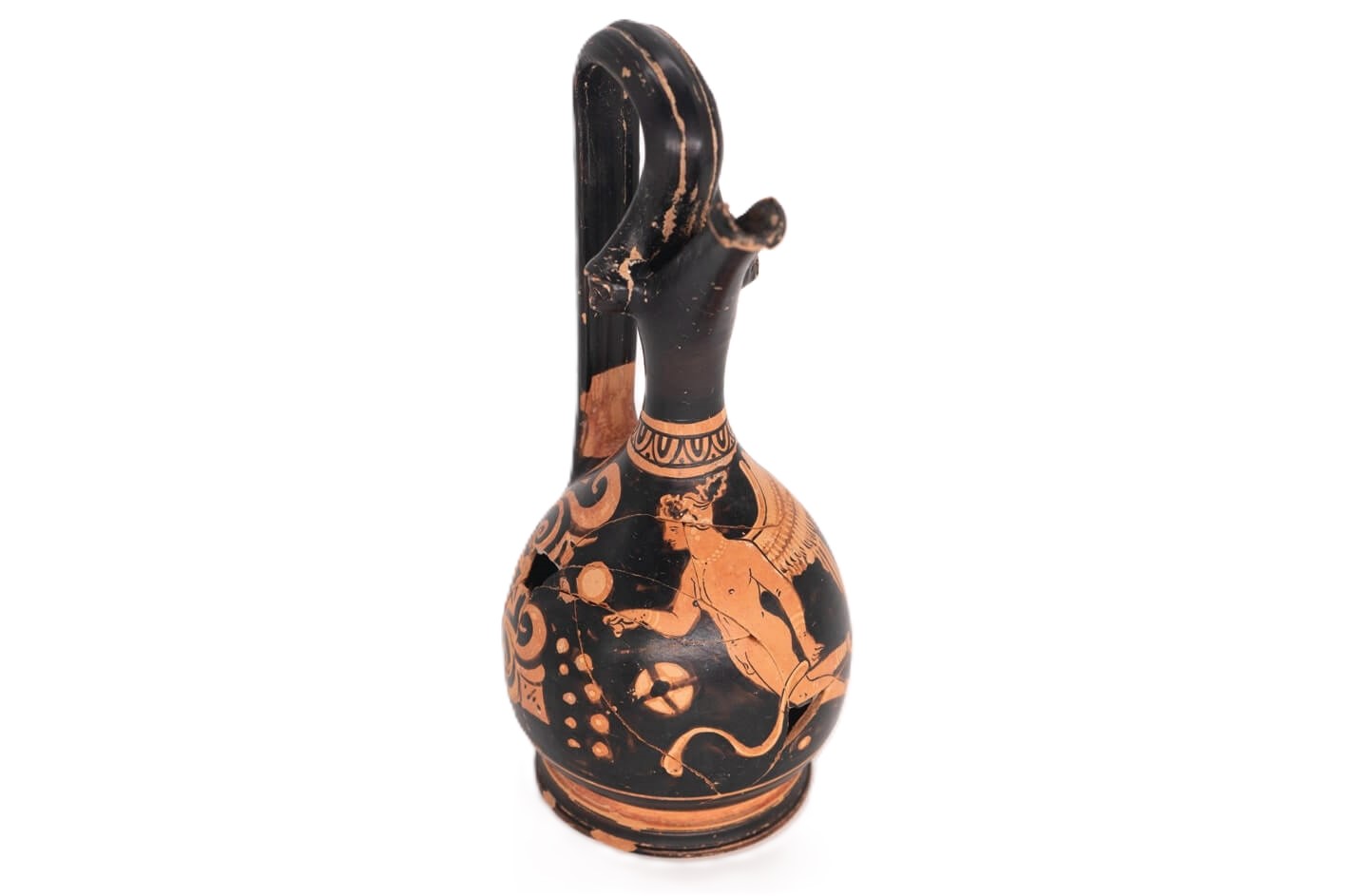
Ritual bothroi were identified beside the terraces, containing a large number (over 500) of votive finds associated with the Thesmophoria of the Classical period.
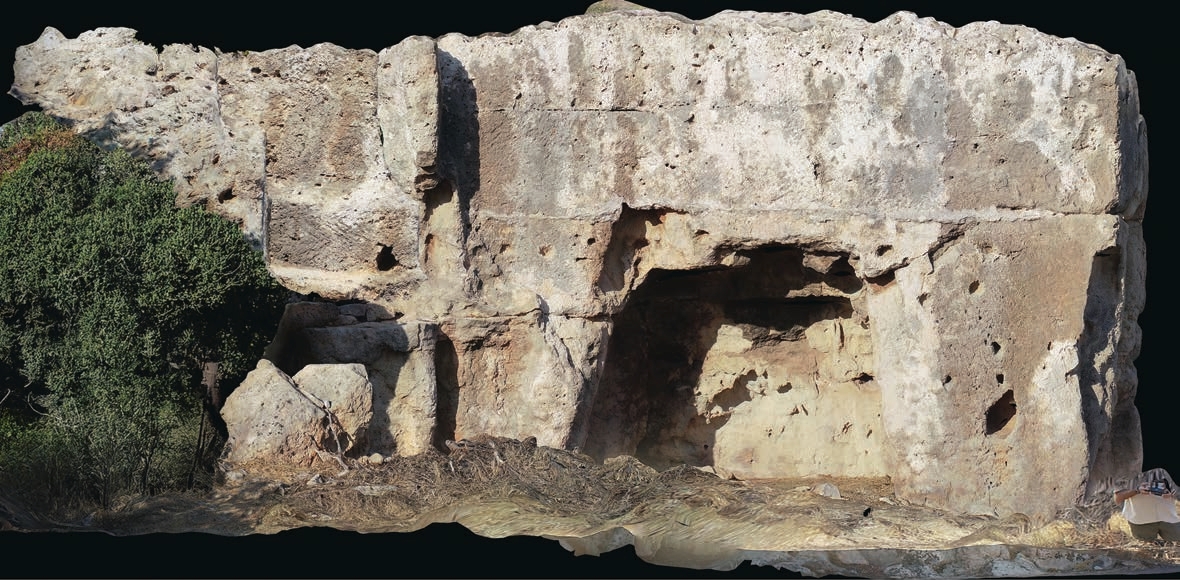
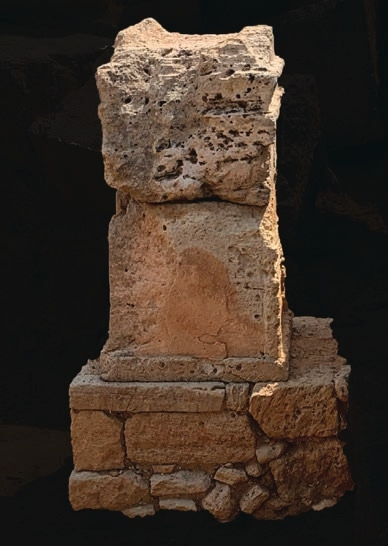
In addition to the excavations, the study and architectural documentation of Phoenician monuments in the harbour contributed to the understanding of the diachronic presence of this seafaring people of the Near East at Phalasarna.
Image credits: Angelos Nakasis, Ioulis Glampedakis, Nike Marder, E. Chatzidakis