Sanctuary of Apollo at the Mantra site on Despotiko and the islet of Tsimintiri
Donation Receiver:
Ephorate of Antiquities of the Cyclades
Sector:
Culture
Implementation Body:
AEGEAS Non-Profit Civil Company
Year:
2023
Location:
Despotiko and Tsimintiri, Cyclades
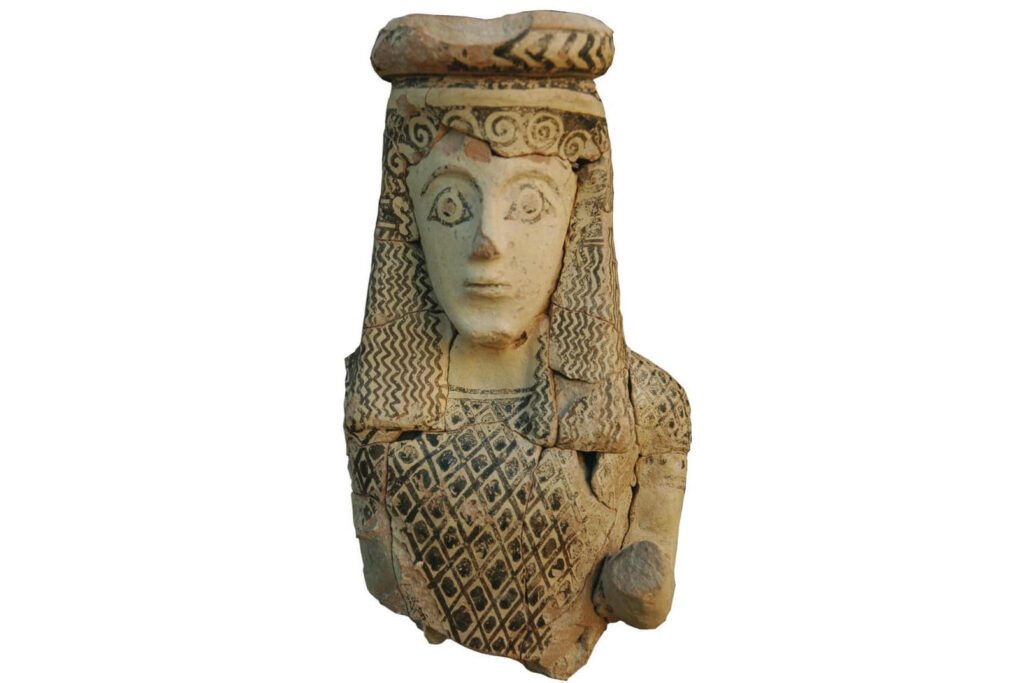
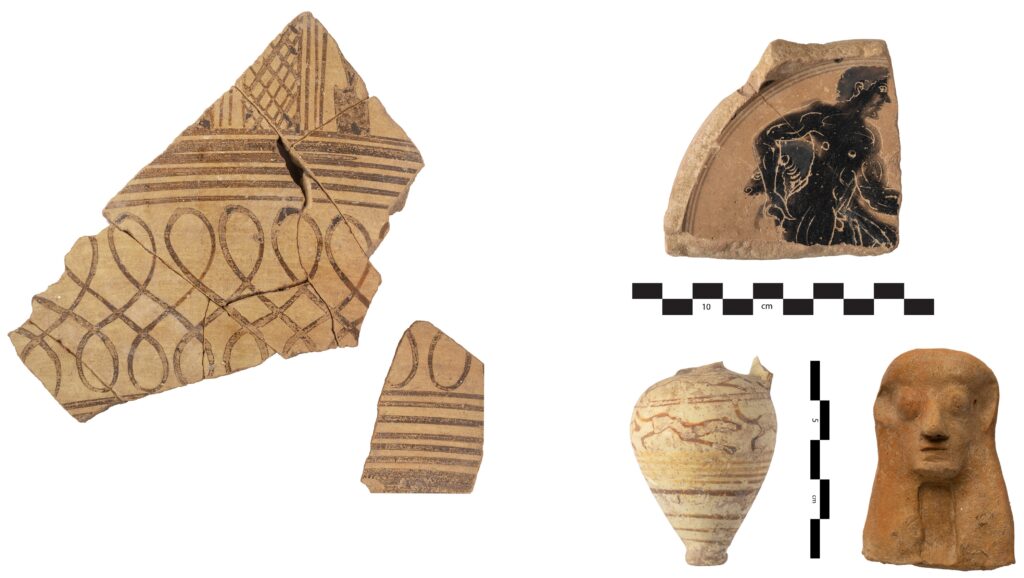
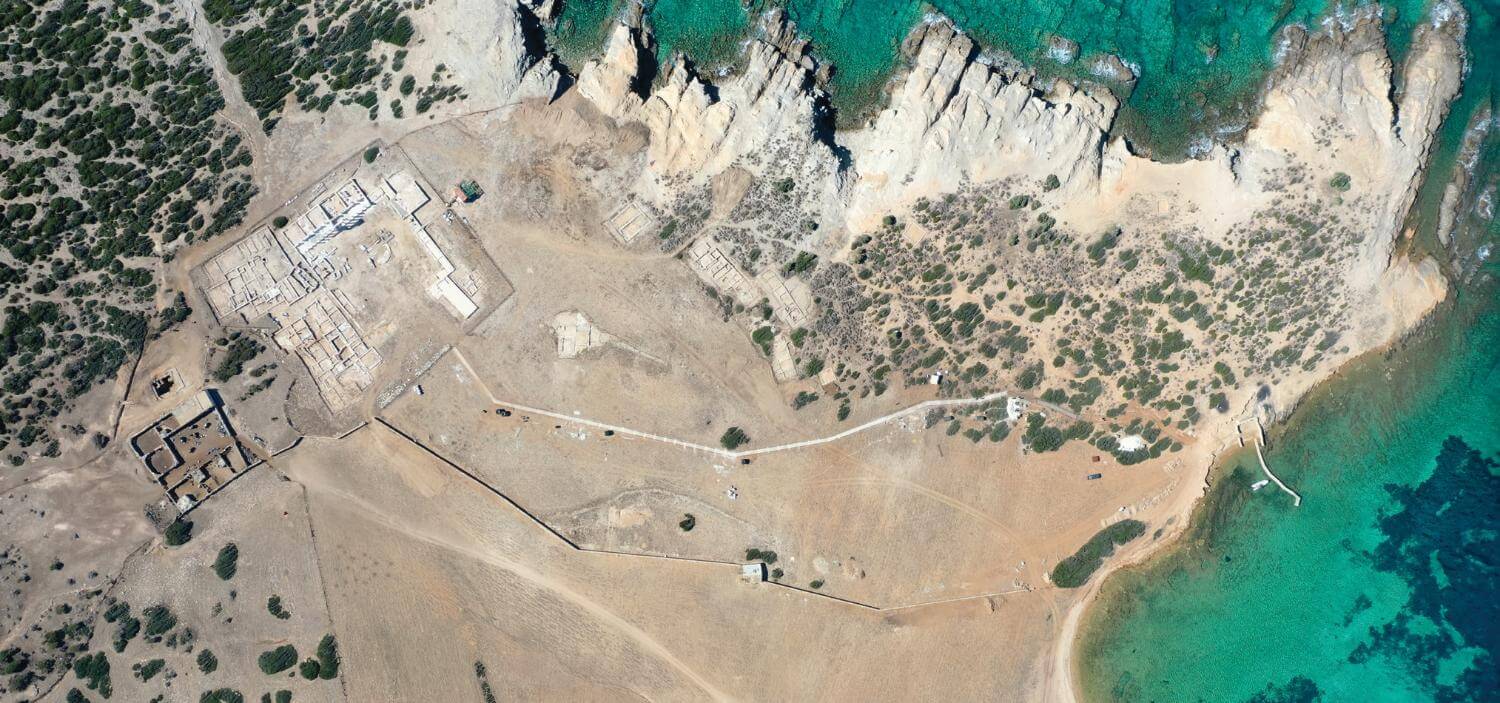
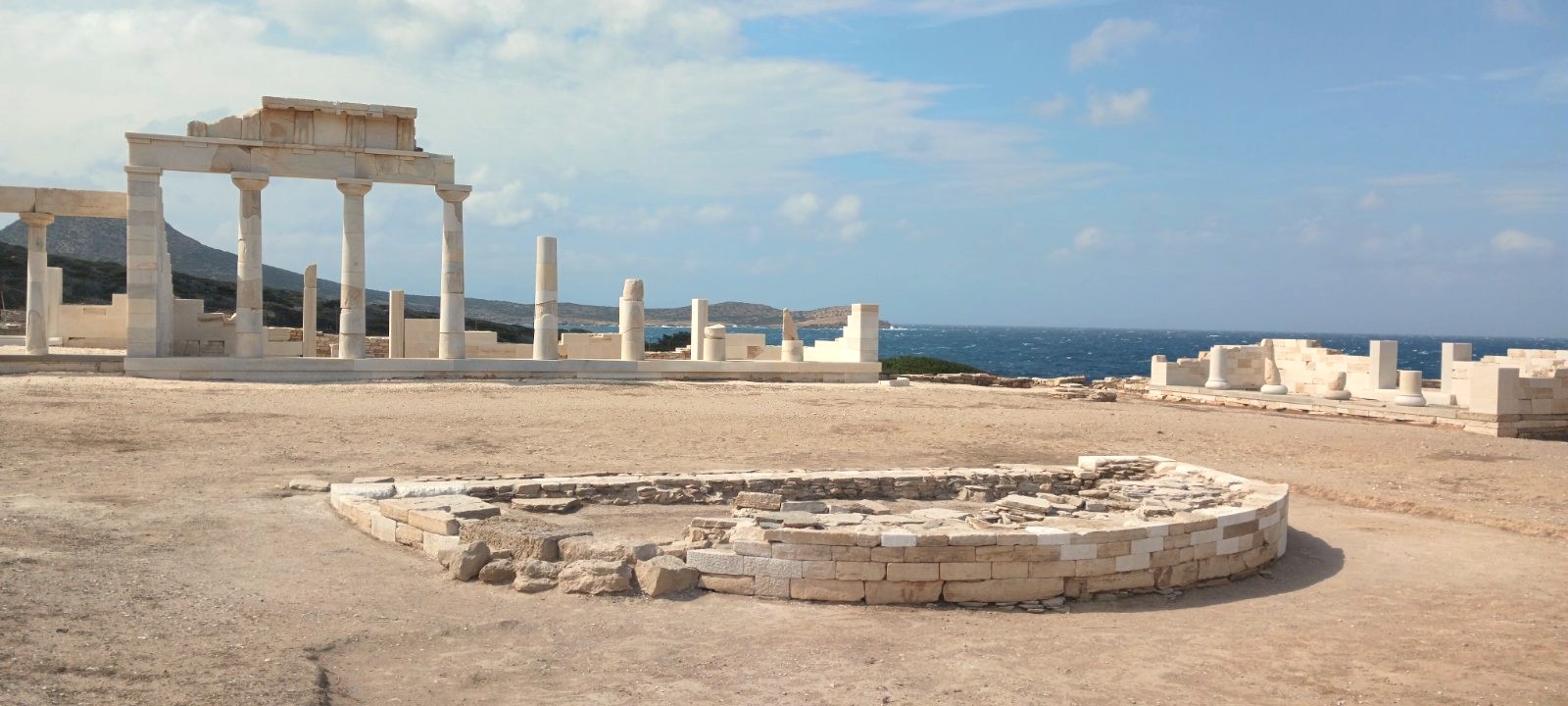
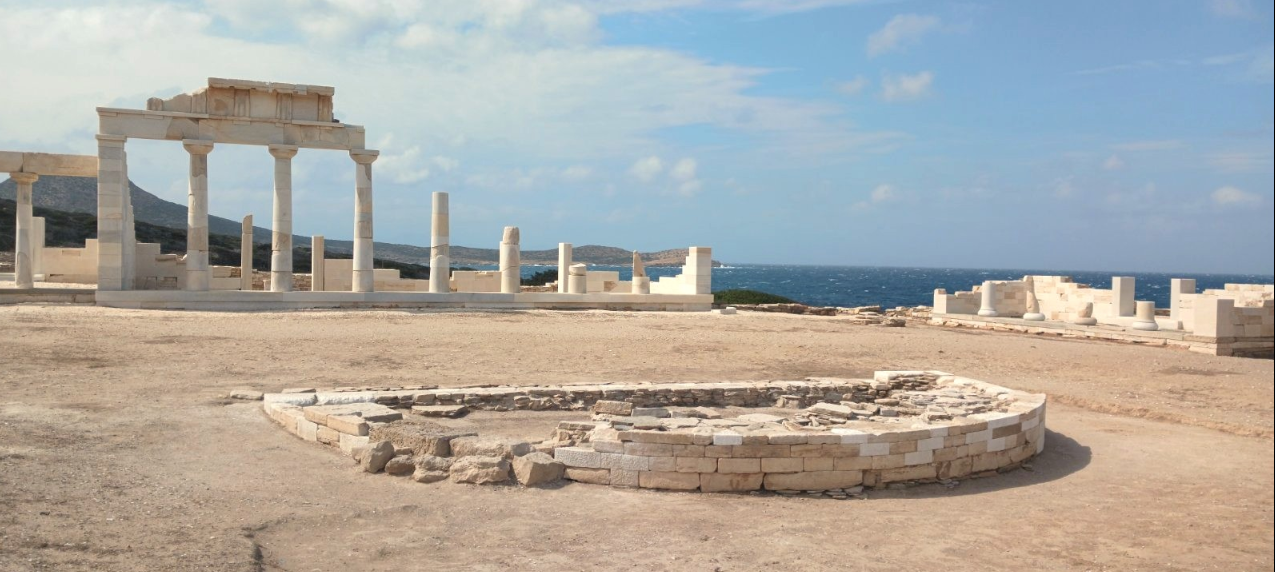
On the uninhabited island of Despotiko, west of Antiparos, one of the most important and wealthiest sanctuaries dedicated to Apollo in the Cyclades flourished in antiquity. Systematic archaeological research at the Mantra site, which began in 1997 and continues under the direction of archaeologist Yannos Kourayos of the Ephorate of Antiquities of Cyclades, has significantly transformed our understanding of the settlement patterns and religious landscape of the Cyclades during the Geometric, Archaic and Classical periods. Excavations have revealed an extensive complex that remained in use for several centuries, comprising the monumental sanctuary of Apollo, covering approximately 2,500 square metres, dozens of buildings serving religious and auxiliary functions, and an organised system for collecting and managing water.
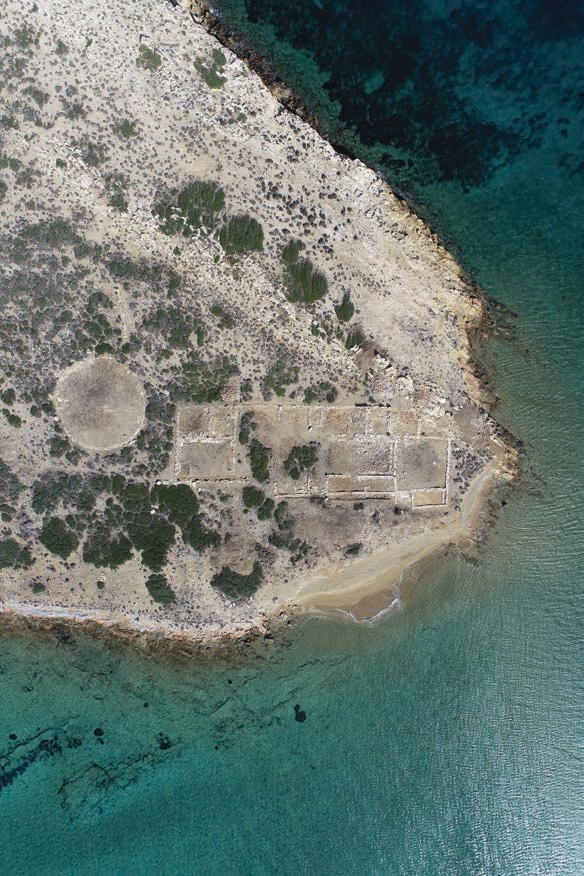
The architecture of the religious buildings, together with the wealth and diversity of votive offerings, attests to the importance of the sanctuary, in whose development ancient Paros, one of the most powerful city-states in the Cyclades during the 6th and 5th centuries BC, appears to have played a leading role. Despotiko’s location at the entrance to a sheltered bay, along busy maritime routes in the Aegean, encouraged the arrival of pilgrims and travellers from different regions. The neighbouring islet of Tsimintiri also formed an important part of the ancient complex, as it was connected to Despotiko by a narrow strip of land in antiquity.
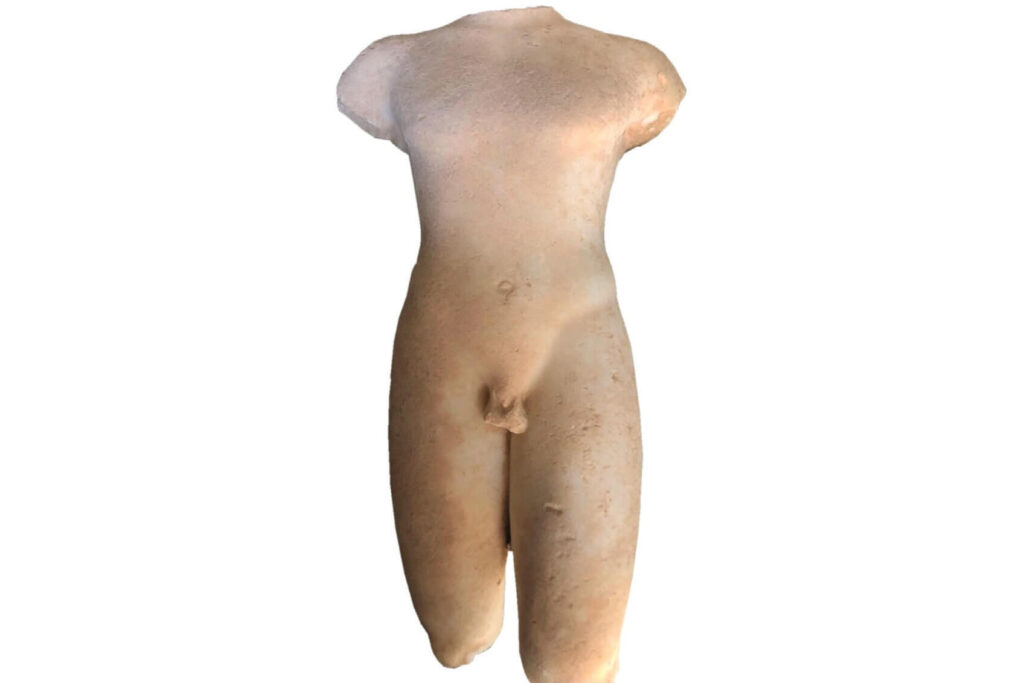
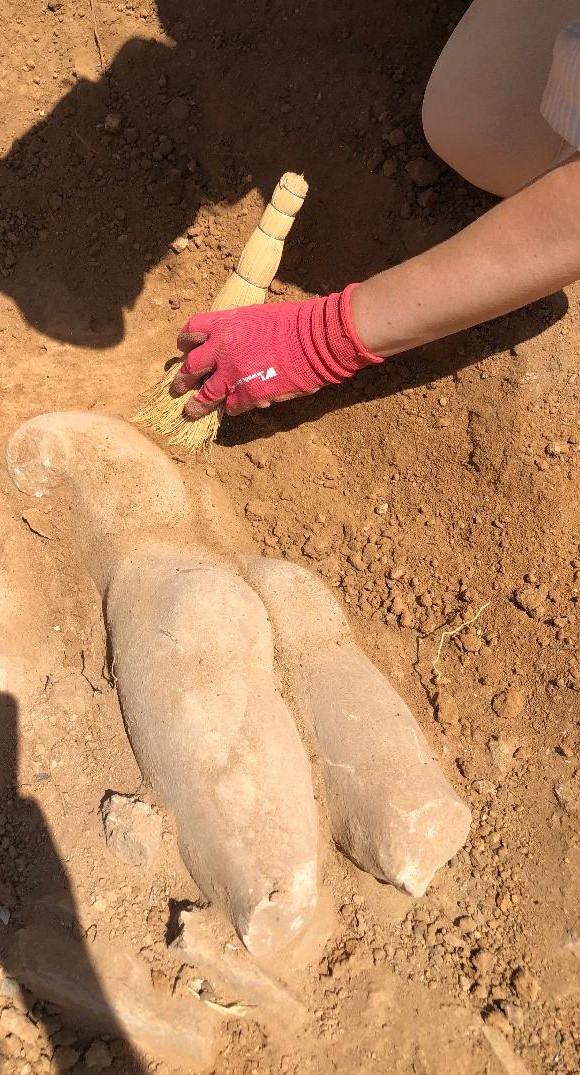
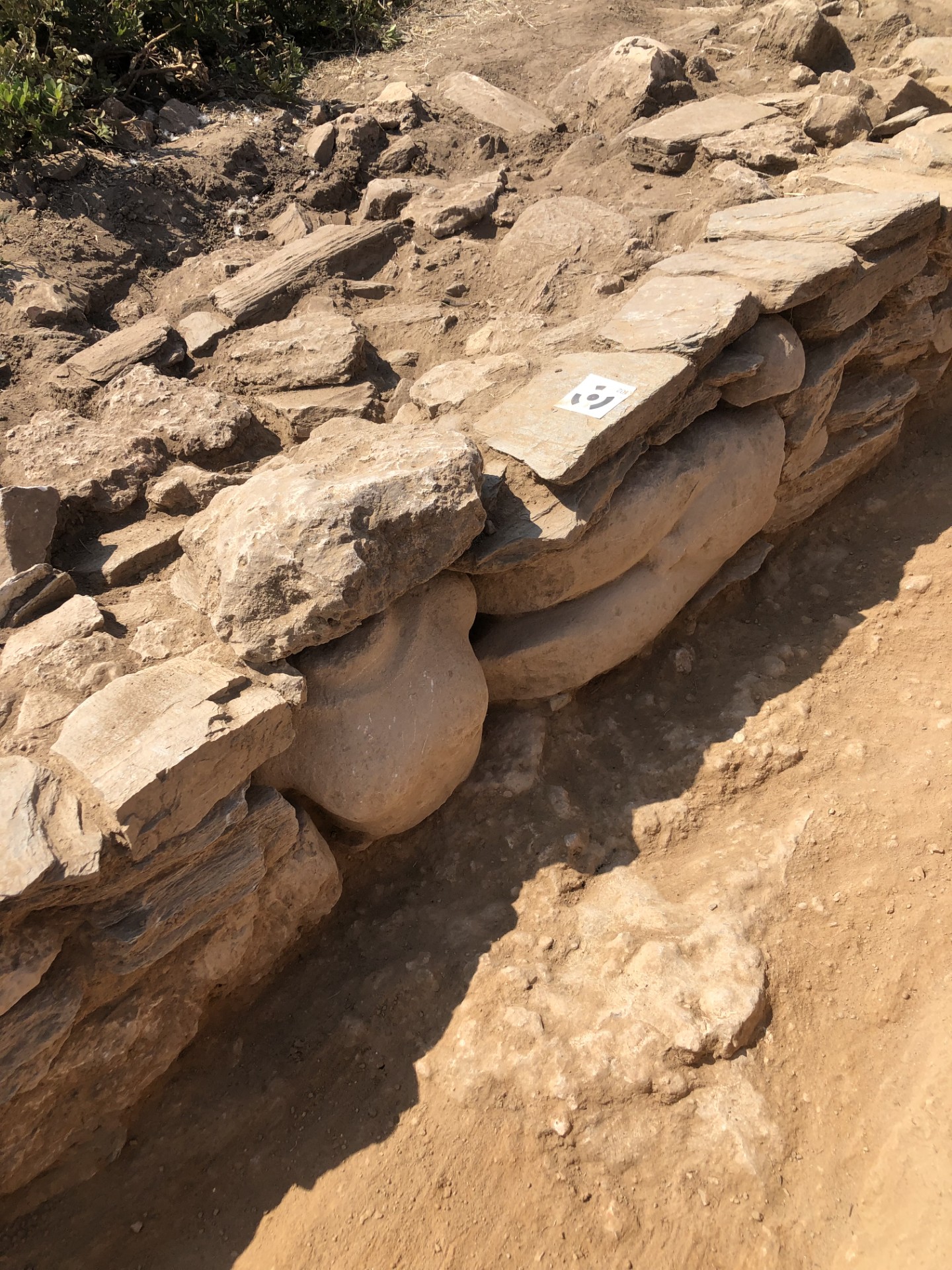
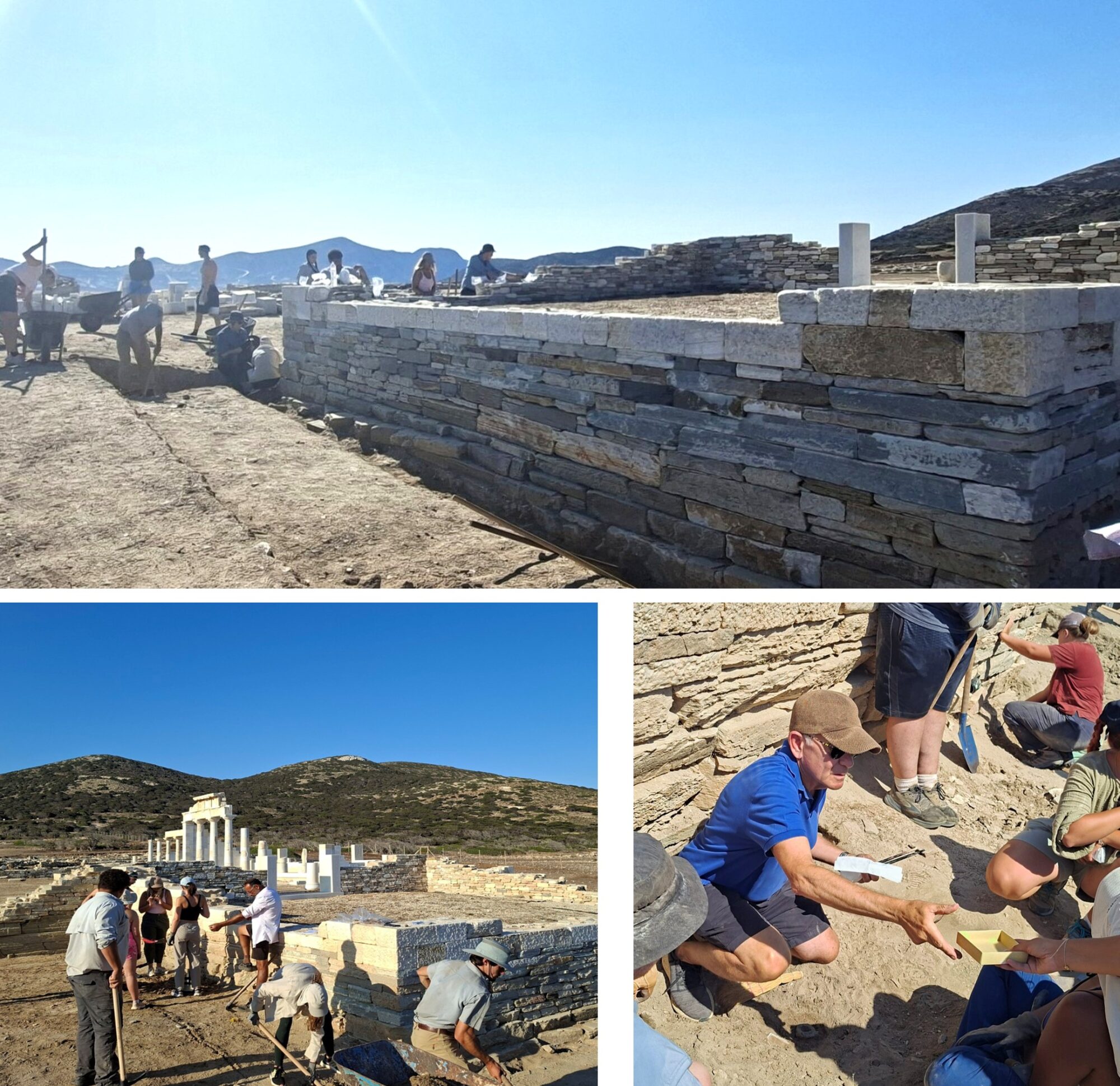
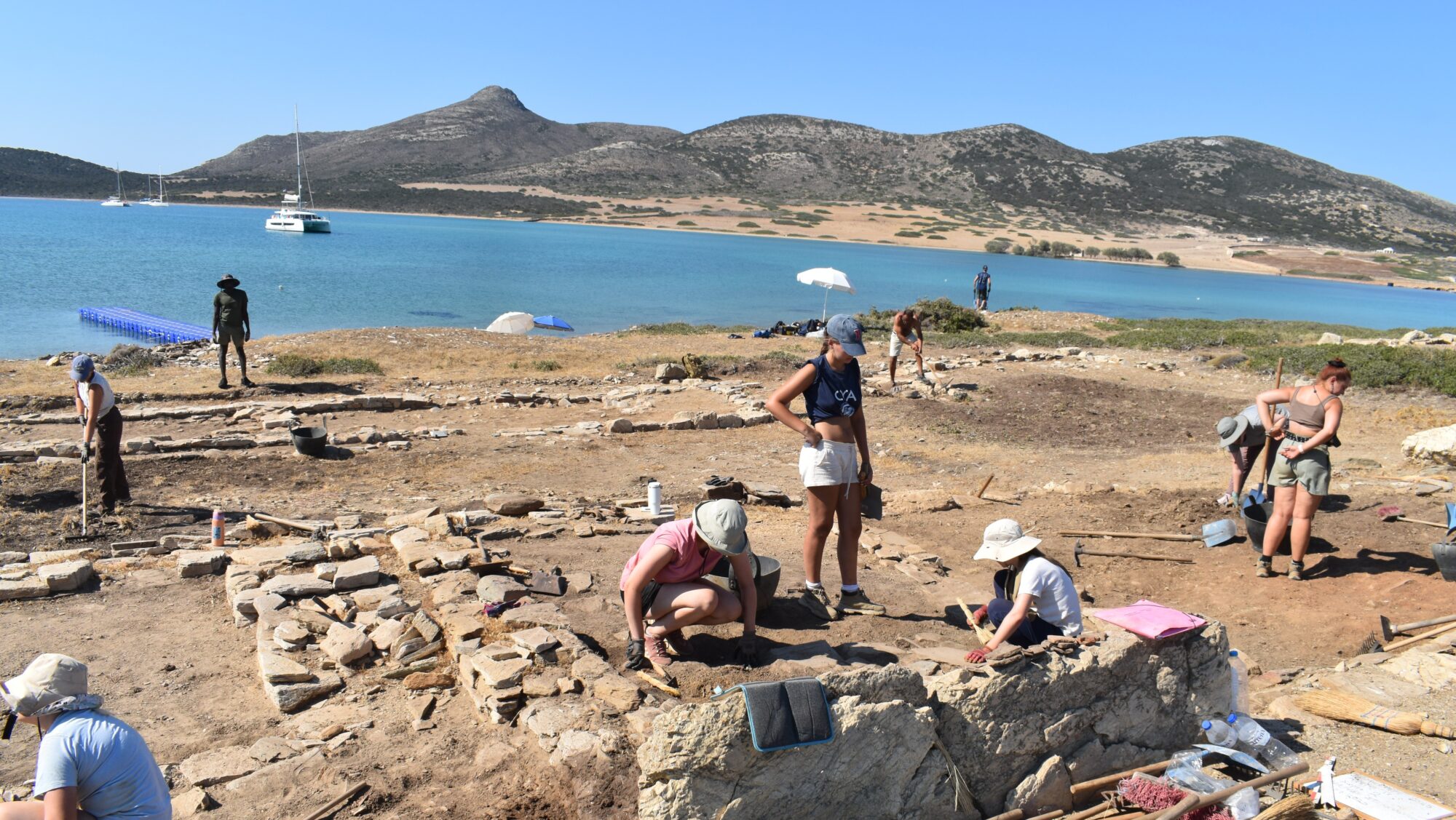
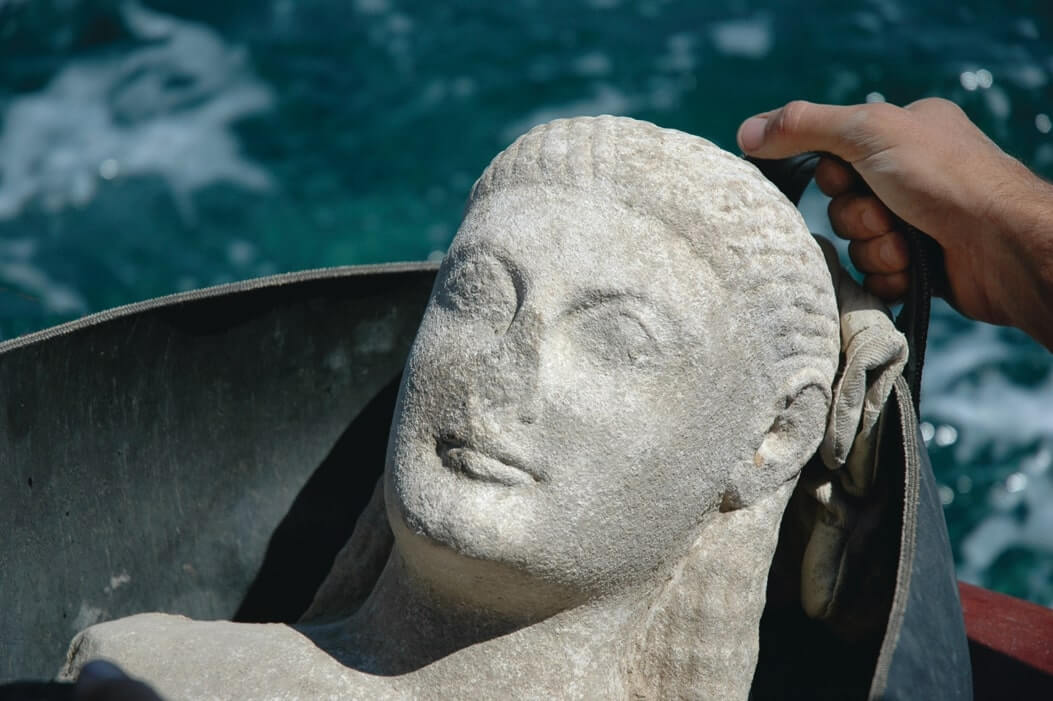
During 2023–2024, excavations focused on the buildings outside the Archaic sanctuary precinct and on the extensive water collection and management system, consisting of four cisterns and a masonry-built channel. Particularly significant was the investigation of Buildings MN and Ω, where discoveries included fragments of at least three kouroi, part of a male statue in the Severe Style, a small marble statue of a seated figure, and two marble bases. On Tsimintiri, two large building complexes and circular structures were uncovered, most likely associated with the harbour facilities of the ancient sanctuary.
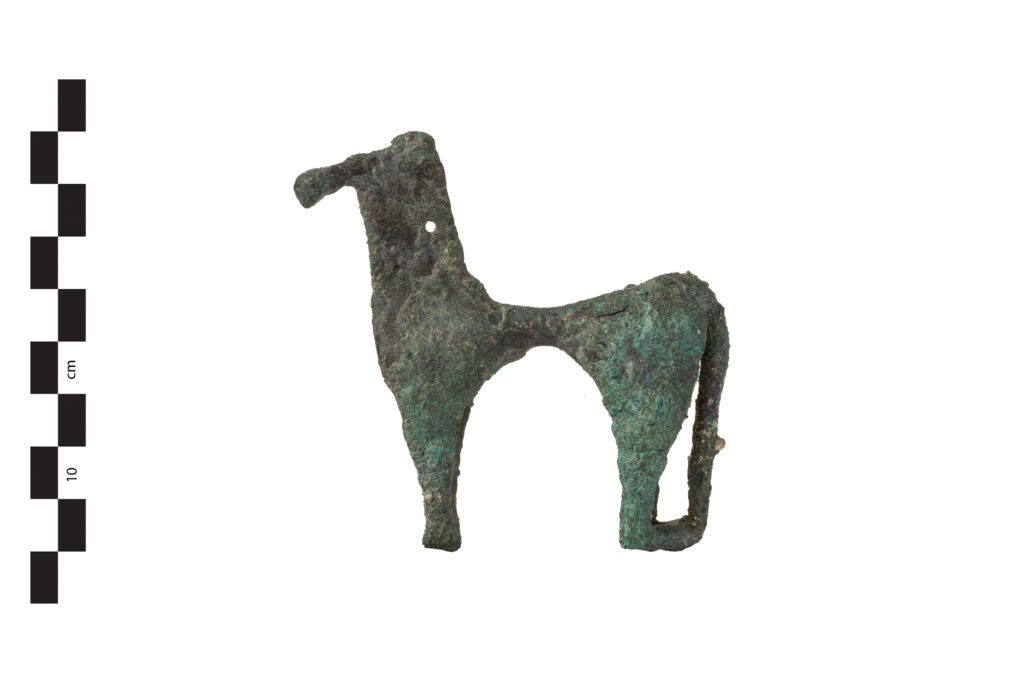
The excavations carried out during 2025–2026 further expanded our understanding of the ancient complex. On Despotiko, excavation continued at the Archaic Building MN, Structure Ω, the Southern Complex and the large cistern, while new evidence of settlement during the Geometric period (8th century BC) was uncovered, including a particularly noteworthy find: an almost intact bronze horse figurine. Meanwhile, on Tsimintiri, a large building complex covering a total area of 900 square metres was investigated, providing new insights into the layout and function of the ancient settlement.
Alongside the archaeological excavations, particular emphasis was placed on the conservation, restoration and enhancement of the monuments. Following the restoration of the temple and the ritual dining hall, work focused on Archaic Building D, the second most important building of the sanctuary, and the Archaic altar. The completion of these works during 2025–2026 marked a significant milestone in the preservation and presentation of the archaeological site. The restored monuments now offer a clearer understanding of the sanctuary’s architectural form and monumental scale, standing as distinctive landmarks in the surrounding landscape.
The excavations on Despotiko and Tsimintiri also have a strong educational dimension. Through collaborations with universities in Greece and abroad, dozens of students and young researchers take part in the fieldwork each year, gaining valuable experience in archaeological research and the protection of cultural heritage. Through ongoing research and systematic restoration efforts, Despotiko is emerging as one of the most important archaeological sites in the Cyclades, where scientific research goes hand in hand with the preservation and presentation of monuments for the wider public.
<br/>DONATION FROM AEGEAS NON-PROFIT CIVIL COMPANY
- Support for archaeological excavations and conservation work on Despotiko and Tsimintiri.
- Restoration of Archaic Building D and the Archaic altar of the Sanctuary of Apollo.
Image source: Yannos Kourayos Archive / Ephorate of Antiquities of Cyclades Archive